
Telephoto Options for Nature Photography in 2026
I have been talking a lot about the cameras that I was looking to use over the last couple of years. I have some very good lenses for the kinds of photography that I do but lately a bunch of companies have started coming out with a bunch new choices for nature photographers, some of which are actually reasonably affordable.
We tend to buy lenses to last a lot longer these days than the cameras. I'm currently still using the Canon 100-400 F4.5-5.6 II that I have had since selling the original push-pull version of that lens, and it is very sharp and works well on the R5II with the RF adapter. I also bought a big white prime back a number of years ago. That for many of us is not something that you can afford to do even once but now it is not worth selling to try to get a new one, either for Canon or Sony, so I'm using it on the R5II with the adapter as well.
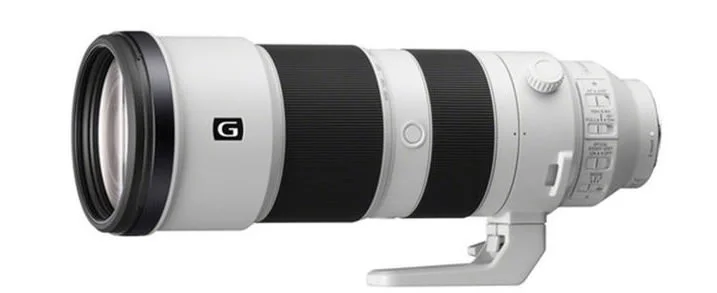
Sony 200-600
Sony
On the Sony side of things I have been using the 200-600 f/5.6-6.3 since that lens came out. It is a solid lens that works well in reasonable light and is sharp enough, but the out of focus portions of the frame can be less than pleasing if the background is close to the subject or very busy. Options for Sony lenses up until recently have been either very expensive or quite cheap otherwise with even the 100-400 f/4.5-5.6 being quite pricey for the range you are getting.
I'm pretty happy with the wide angle options out there, 16-35 is a go-to when I'm doing landscape work but once you get past the ultrawide I am finding that some of the new, not so normal zooms are pretty tempting. The first one that tempted me so much that I picked one up is the Tamron 35-150 mm f/2-2.8. This is a range that for me can get rid of 2 lenses that I used to carry. I really don't need a 24-70 or 24-105 which I used to have in the bag all the time, and I also don't really need a 70-200 since the missing bit at the top of the range is most often covered by my telephoto lens. Sony this year has come out with something similar but, of course, went a bit more specialized with the 50-150mm f/2. I think I could easily use this lens in place of the 35-150 with that added bonus of more light gathering at the telephoto end for the dark days here on the wet coast. This is a spectacular lens but it definitely comes at a large price. Currently going for $4000 USD compared to $1600 USD for the Tamron it is hard to suggest to myself that the benefits are worth 2.5 times the price.
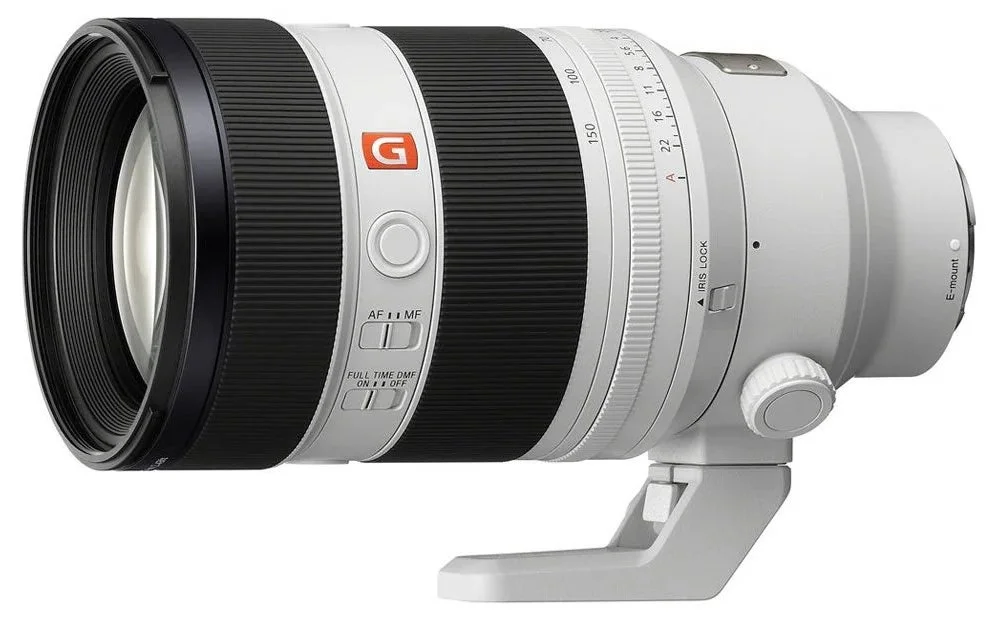
Sony 50-150 f/2.
Sony also came out with the new 400-800mm f/6.3-8 zoom lens currently for $3300 USD. This lens is very similar to the 200-600 in build with the internal zoom and the image quality seems to be on par and maybe a bit sharper. The issue here is that we are getting very specialized, it seems like a very good option for birding and larger animals a good distance away but the 2 time zoom is a bit limiting and it is big and fairly heavy. I would like to try this lens but I'm not sure the range is what I need as often as that 200-600 which has lived on my camera for extensive periods.

Sony 400-800
Sigma
Sigma has come out with a few amazing options lately. The first was the light 500mm f/5.6 prime that I picked up early on. This is a fantastic small and light lens that fits easily into a camera bag for travel. Images are sharp and clean but not quite at the level of my Canon 500 prime....but most of the time close enough. The one major downside of this lens has nothing to do with Sigma and everything to do with Sony. With my Canon 500mm I very often use it with the both the 1.4 and 2 time teleconverters making it a inconvenient but useful 500-700-1000 almost zoom. The quality of the images is indistinguishable with the 1.4 and just a tiny bit softer with the 2 times. Sony has limited all third party lenses (at this time) to not accept teleconverters. If they were allowed I think I would be using the Sigma 500 prime with the 1.4 times all the time. The other thing is that Sony limits the number of frames per second you can shoot when a third party lens is attached to a maximum of 15 fps. Currently this doesn't affect me since the A7RV can shoot a maximum of 10 fps but it does limit those using the A1, A9 series or the new A7V. I don't often shoot that fast even on the Canon R5 II but it is nice those few time I need it.
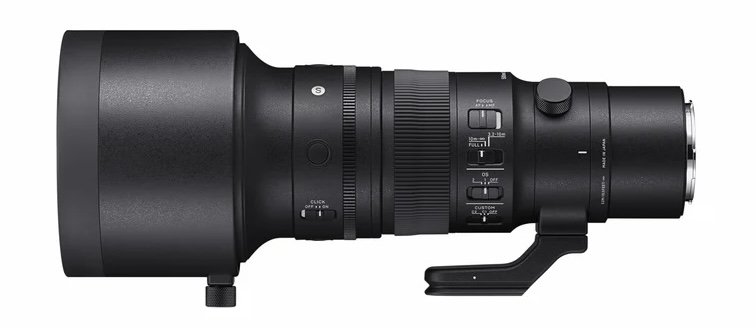
Sigma 500 f/5.6
The next interesting lens from Sigma is the 200mm f/2 prime. This lens currently costs $3300 USD which is a steal for such a low light beast. I'm interested in this lens for bear photography where I'm often shooting at dusk or dawn trying to capture action in very low light but I'm not so far away so 200mm is often sufficient. This lens would allow me to shoot at a couple stops lower ISO than I currently am able, reducing noise while allowing me to keep the shutter speed up to catch those salmon fishing moments. If this lens was able to accept teleconverters on a Sony body it would be a fantastic option.
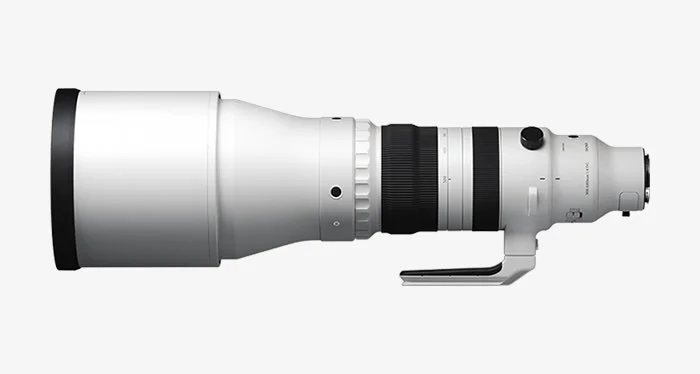
Sigma 300-600 f/4
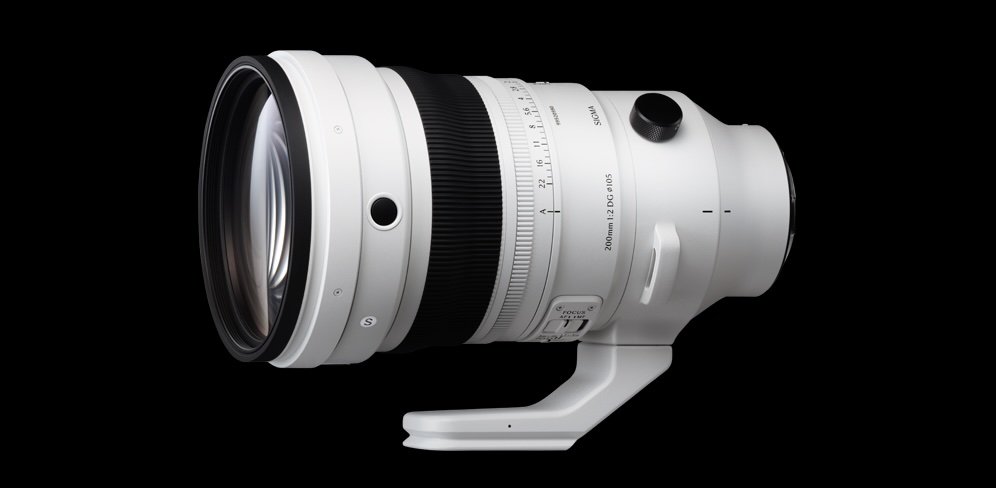
Sigma 200 f/2
The other big announcement from Sigma last year was their 300-600 f/4 super telephoto zoom. This is a range that I think is pretty fantastic with the closest options in the past being Canon's 200-400 f/4 with inbuilt 1.4 teleconverter or possibly the 100-300 f/2.8 if you added the teleconverter but both those options are significantly more expensive than this Sigma lens. The lens is not light, 8.75 lbs (4kg) at about 2 lbs heavier than the Canon or Sony 600 primes. If this lens is anywhere near as sharp as their old 120-300 f/2.8 zoom then this may be one of the best superzooms out there and the price ($6600 USD) is less than half of the 600 primes.
Canon

Canon 100-300 f/2.8
Canon has not come out with anything new recently but they have their standard 400 f/2.8, 600 f/4, and 800 f/5.6 out there at astronomical prices (not really different from Sony or Nikon on the price side). Instead of a 300 f/2.8 prime Canon does have a 100-300 f/2.8 which may be one of the most useful lenses out there for nature photography if you can afford it. For many years I owned the Sigma 120-300 f/2.8 Sport lens and the range with the 2 teleconverter made it an excellent option for nearly all situations. The only downside was the weight which I believe Canon's new offering is significantly lighter. At $10,600 USD it is at least 3 times what I paid for the Sigma so it had better be good.
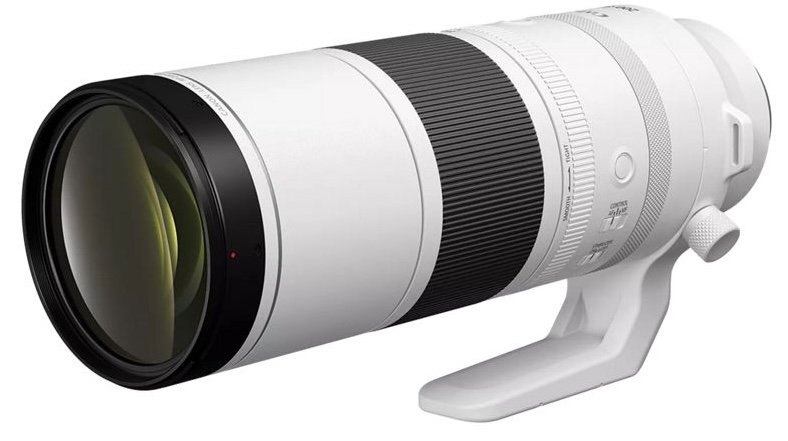
Canon 200-800
Canon really doesn't have anything in between the that 10 grand and around 3000 where the options are pretty limited to their slow 100-500 f/4.5-7.1 and even slower 200-800 f/6.3-9 which both have extending barrels unlike the larger zooms from Sony and Nikon. Since Canon currently doesn't allow third party options on RF mount you are limited to these lenses at the medium/low end or using old EF telephoto lenses with the adapter.
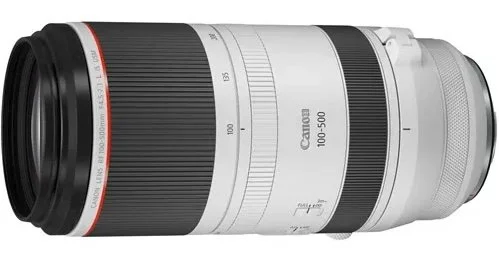
Canon 100-500
The last option for Canon is the two fixed aperture primes (600 and 800 f/11) which are very inexpensive but are not very useful in anything but extremely bright conditions.
Nikon
Nikon seems to be considering nature and wildlife photographers more than others over the last few years. They have the typical expensive f/4 supertelephoto primes like Canon and Sony but also offer a second tier of PF (phase fresnel) lenses that are light primes based on diffractive optics. On Z mount they have a 600 f/6.3 and 800 f/6.3 coming in at $4000 and $ 6000 USD respectively. You might also be able to find the F mount 300 f/4 and 500 f/5.6 lenses for considerably less.
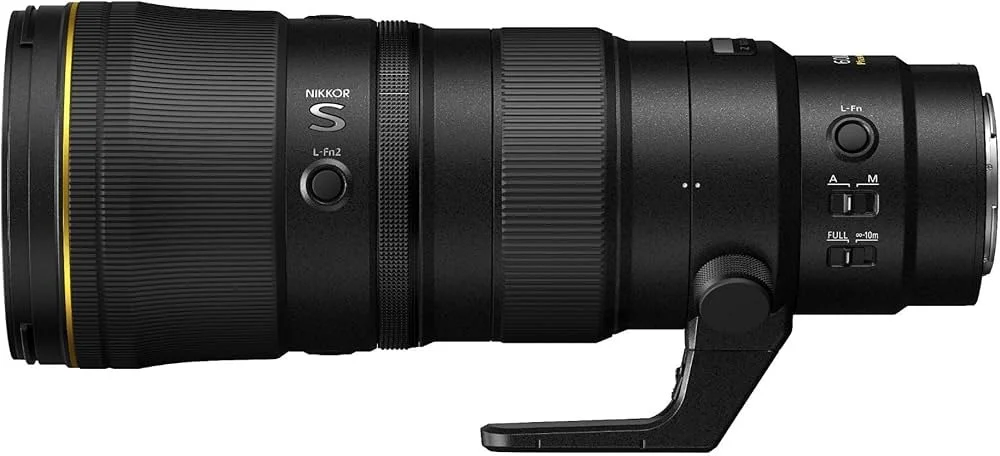
Nikon 600 pf
Nikon also came out with a 180-600 f/5.6-6.3 that is very similar to Sony's 200-600 in functionality and is even a bit cheaper at just under $2000 USD at the moment. For many people this could be their main wildlife lens on Z mount.
Although Nikon has not opened up to all third party lens manufacturers they have partnered with Tamron and as such have the option of the 35-150mm f/2-2.8. I'm sure this is as useful on Nikon cameras as it is on Sony.
Fuji
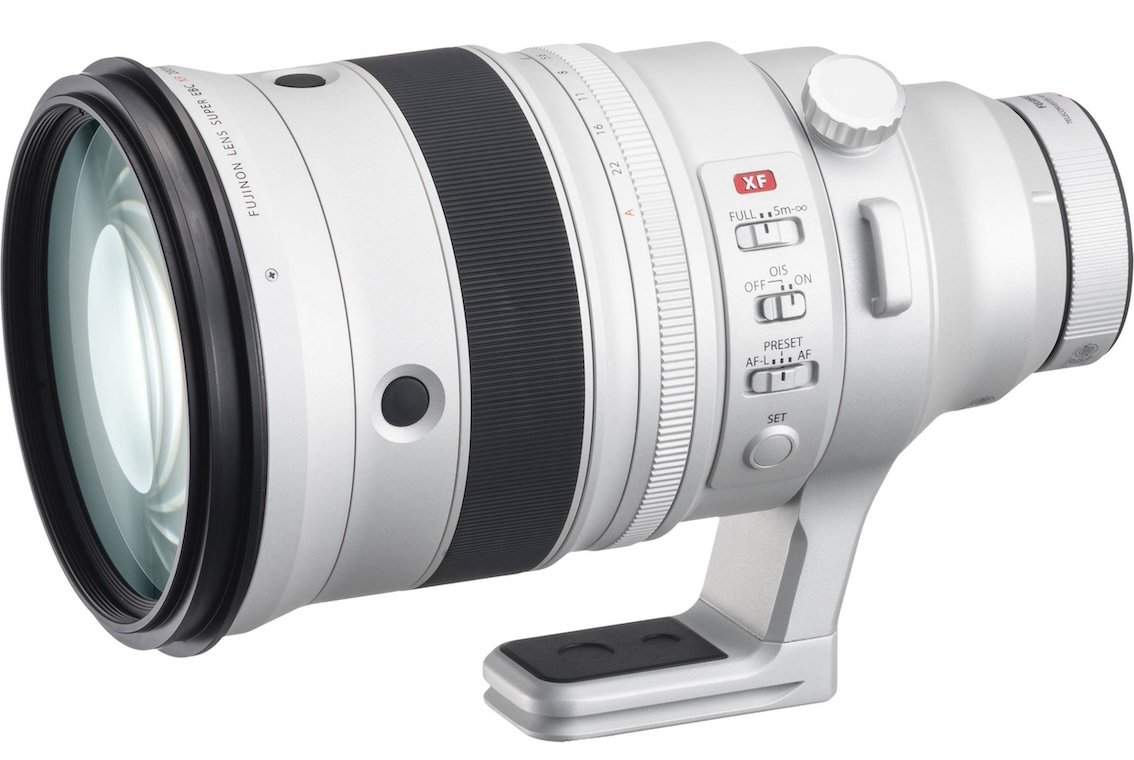
Fuji 200 f/2
When it comes to APSC cameras most of the options above are still applicable and currently there are not a lot of APSC specific supertelephoto lens options. Fuji is the one outlier since they only produce APSC cameras for their XF line of cameras. With Fuji there is a fairly new 500mm f/5.6, and then a 150-600 f/5.6-8 or the 100-400 f/4/5-5.6 and you do have third party lenses on XF mount for some similar options from Sigma and Tamron. Fuji do have a 200mm f/2 that comes in at $6000 USD which I think may be their most expensive lens.
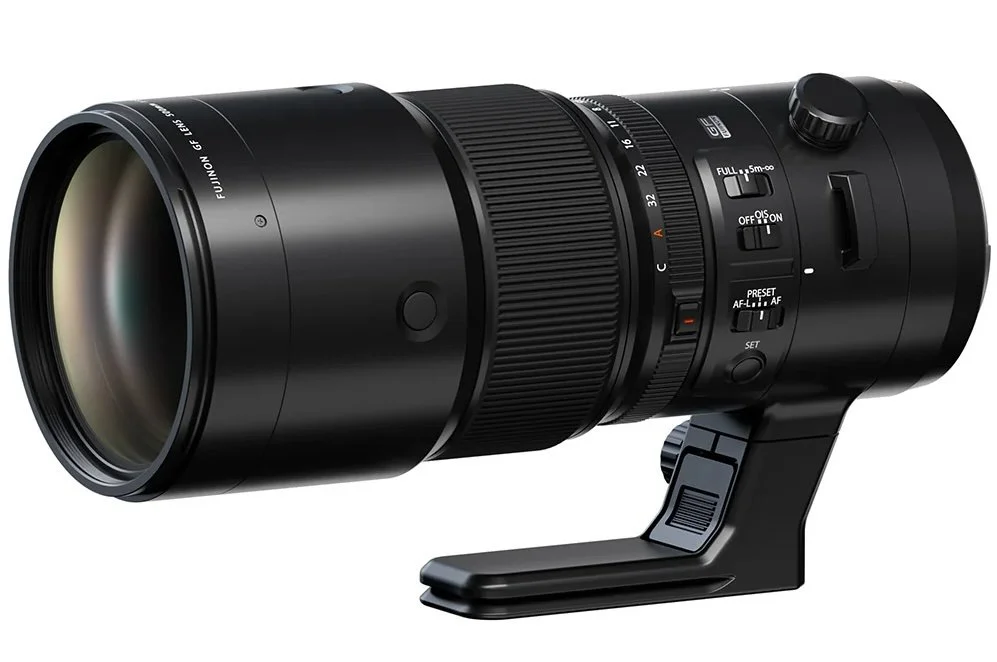
Fuji GF 500 f/5.6
If you want to try a hand at medium format nature photography Fuji does have a few options now on the GF line of lenses. Their 100-200 f/5.6 may be a good option for more environmental shots but you do have more expensive 250mm f/4 and 500mm f/5.6 and a 1.4X teleconverter. The latest GFX100II camera does make it possible to capture some interesting nature shots although you might find it doesn't autofocus quite at the level of the latest full frame cameras. This to me is an interesting option for capturing larger animals in action in interesting environments. I think it is the one option I would consider moving to as my second system if I ever moved from Sony or Canon since it would give me very different results with the high resolution and more importantly the 16 bit files to capture the smoothest of colour gradients.
OM System
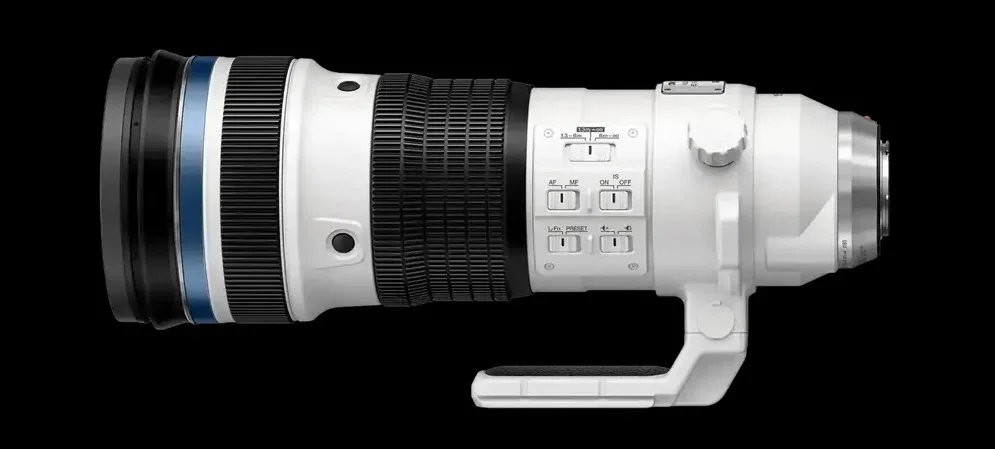
OM System 150-400
OM system has been providing interesting lenses for the micro 4/3 cameras. Their latest a 50-200 f/2.8 is a fast 100-400 equivalent lens (and with the increased effective depth of field it is fairly easy to get more of the subject in focus while still being able to capture more light.
OM also have an inexpensive 100-400 f.5-6.3, a relatively fast 40-150 f/2.8, a 300mm f/4, a 150-600 f/5.6.3 and their very expensive 150-400 f/4.5 (with 1.25 teleconverter). These are all interesting options with the 2 times crop giving you a lot of reach in relatively smaller packages. As long as you are ok with what you are getting out of the sensors these are good options if you want to go a bit lighter.
Rumors
There don't seem to be a lot of rumours out there at the moment with respect to new super telephoto lenses. Sony may be updating their 100-400mm options soon
What's missing from my perspective?
It is nice to see that we have been getting some new options in the last couple of years which the re-introduction of a couple of f/2 200mm primes, the 100-300 f/2.8, the 300-600 f/4. I hope these lenses are successful enough that we might see more lenses at focal lengths that are not considered "normal". I would really like to see Sigma bring back the 120-300 f/2.8 but much lighter. I would like to see more internal zoom lenses and I would like to see someone come out with a telephoto powerzoom for video.
I'm not sure if we will see any new 500mm f/4 lenses, no one has come out with one so far and maybe now that the 600mm lenses are much lighter it doesn't make sense to have a 500 in the lineup.
I would really like to see some more diffractive optics lenses. Canon's last EF 400 DO f/4 was quite a good lens and Nikon PF lenses are good options currently. Not sure why Sony/Sigma/Tamron haven't unless there are too many patent issues around them still. It is a fantastic way to make long lenses much smaller and lighter and it seems like Nikon and Canon were technically able to make the images sharp even if the out of focus areas tend to be a bit frenetic. Trying to find inexpensive ways to include the DO lenses into groups of regular lenses may still be an issue but I hope the research continues.