
Tanzania - Birds
Birds were kind of a side quest that often became part of the main story while we were in Tanzania. You get so excited to see all the big animals that you have never seen other than on a BBC special and you kind of forget the fact that there are so many interesting birds in Africa many of which are not that afraid of humans (or at least not afraid of the land cruisers).
With limits to the amount of gear I wanted to take with us to Africa, I didn't bring any really long lenses for bird photography. I did have the 100-400 and a 1.4x teleconverter which is good enough for closer birds or maybe really big birds. This didn't stop us from capturing plenty of different species in different locations. I did have to crop in on most of the shots but that is nearly always the case even with huge lenses.
The first morning in Arusha we spent the day relaxing at the resort and I was up early with all the different sounds outside. The first thing I heard was bird song and even before breakfast I was getting shots of kingfishers and weavers just outside of our mud hut. After 2 days and more than 20 hours on planes these sites and sounds helped us to relax and seeing a bunch of new (to us) bird species was already kind of exciting.
Once we started on the safari runs we were looking everywhere for animals but often the first thing to catch our eyes were very brightly coloured bee-eaters. We found these birds sitting on small branches often close to the roads where they would do short flight out for bugs and then often come back to the same perch. This made it relatively easy to just wait for them to come back for a nice open shot. They were very quick on the take offs and I did not manage to get much in the way of interesting flight shots but just getting a pair sitting on a branch with a bug was pretty nice.
Let's take a look at some of the birds we saw, and most of the ones I was able to get reasonable pictures of.
Bee-eaters
Some of the most colourful birds and so fun to watch as they sit on a branch for a few seconds and then dart off for a bug often coming back to the same branch.
Cinnamon-chested bee-eater
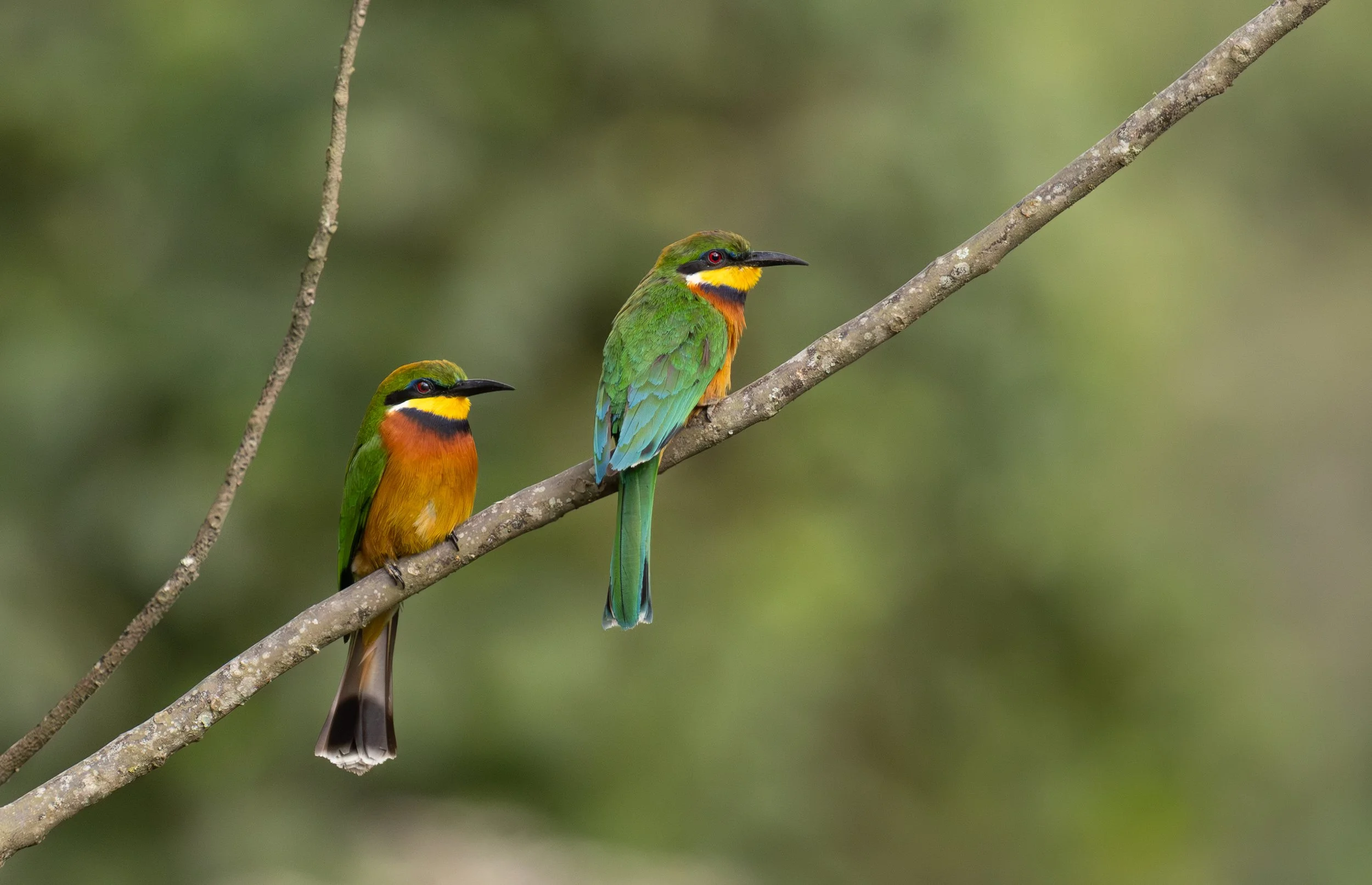
Pair of Cinnamon-chested bee-eaters
Little bee-eater
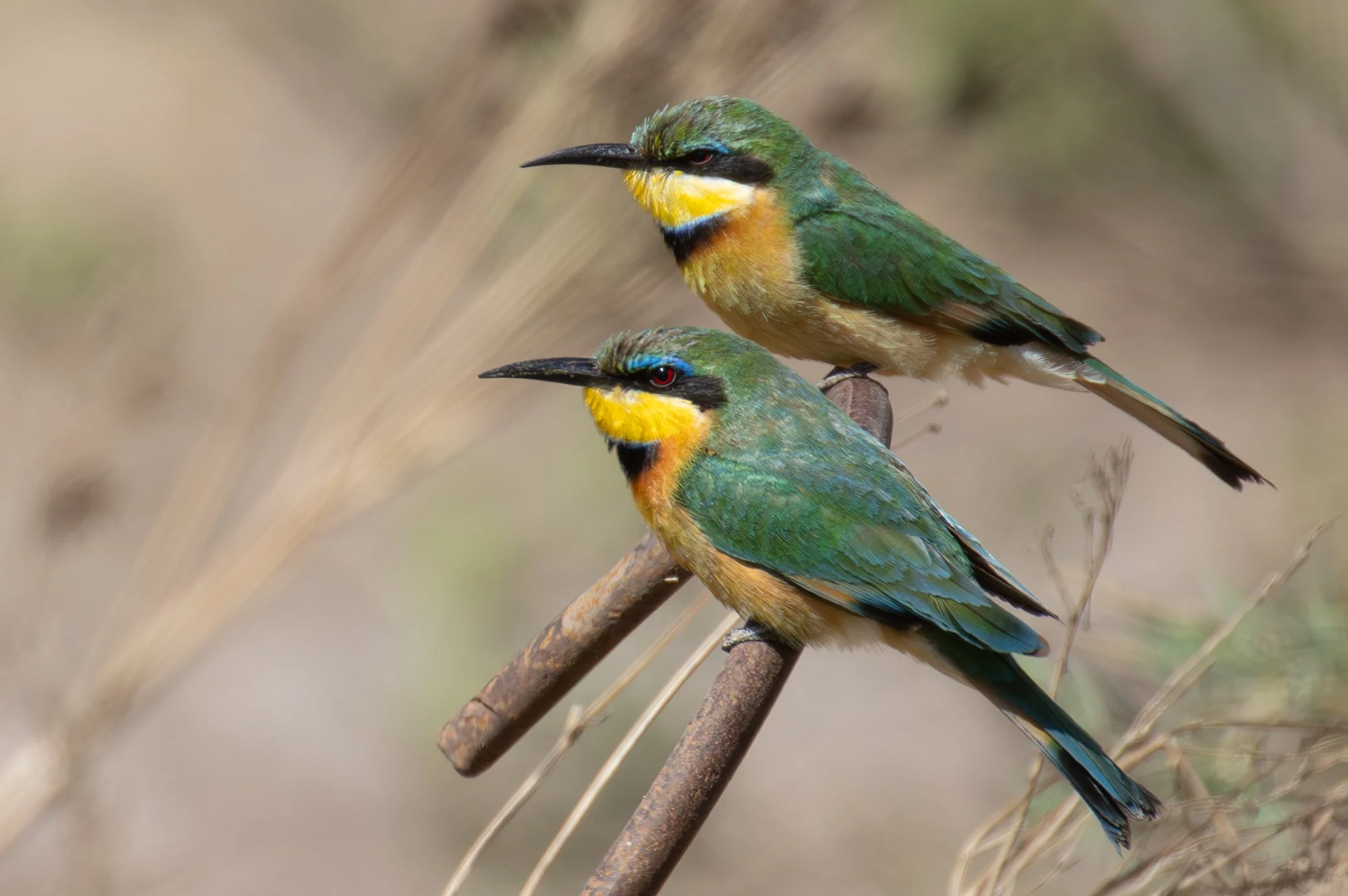
Pair of Little bee-eaters
white-fronted bee-eater
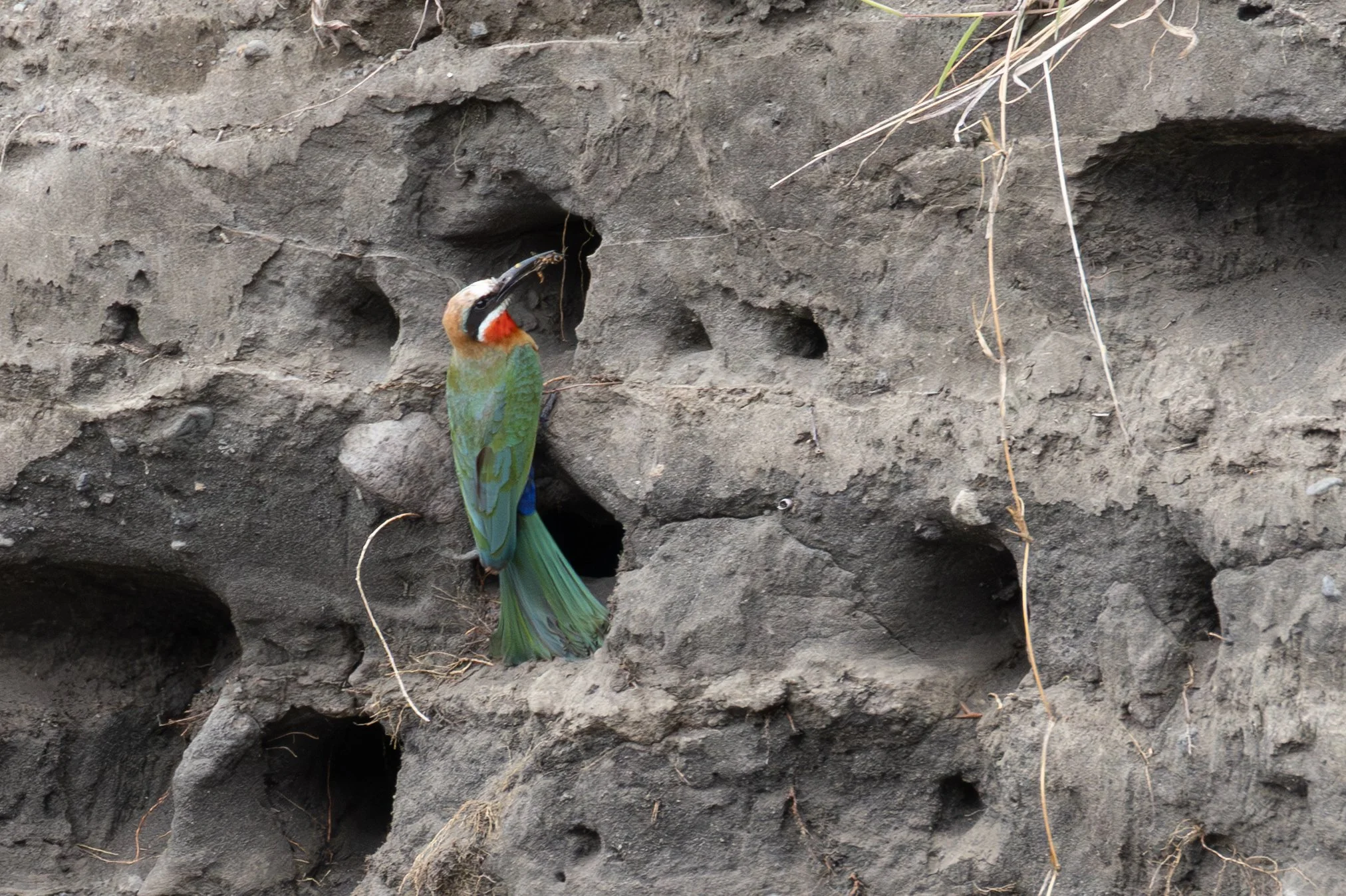
White-fronted bee-eater taking a bee back to the nest
Hornbills
With their distinct bills and loud calls Hornbills can seem a bit quirky but they are crucial seed dispersers in the African ecosystems and quiet entertaining to watch.
Von der Decken's
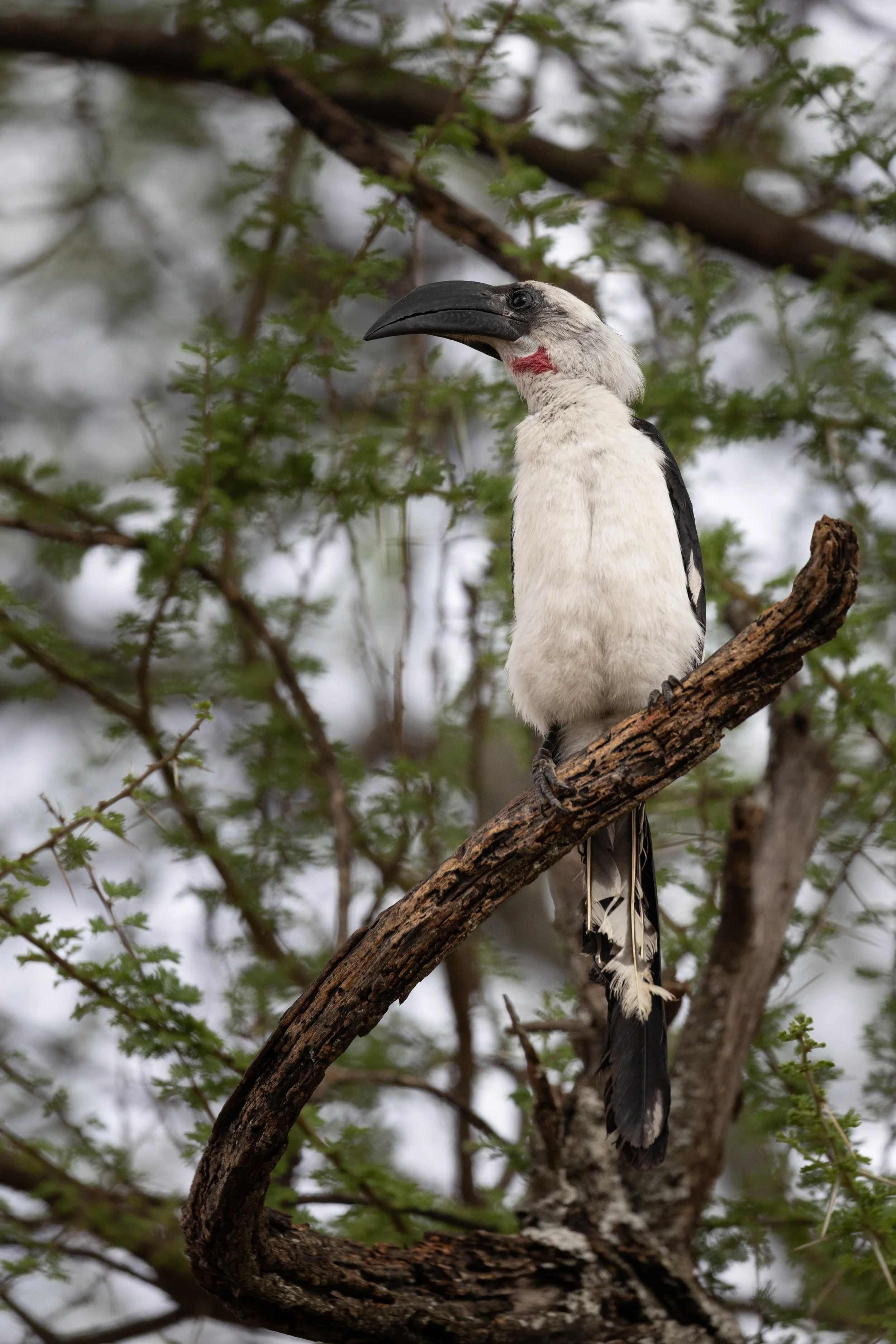
Von Der Decken’s Hornbill
Southern Ground
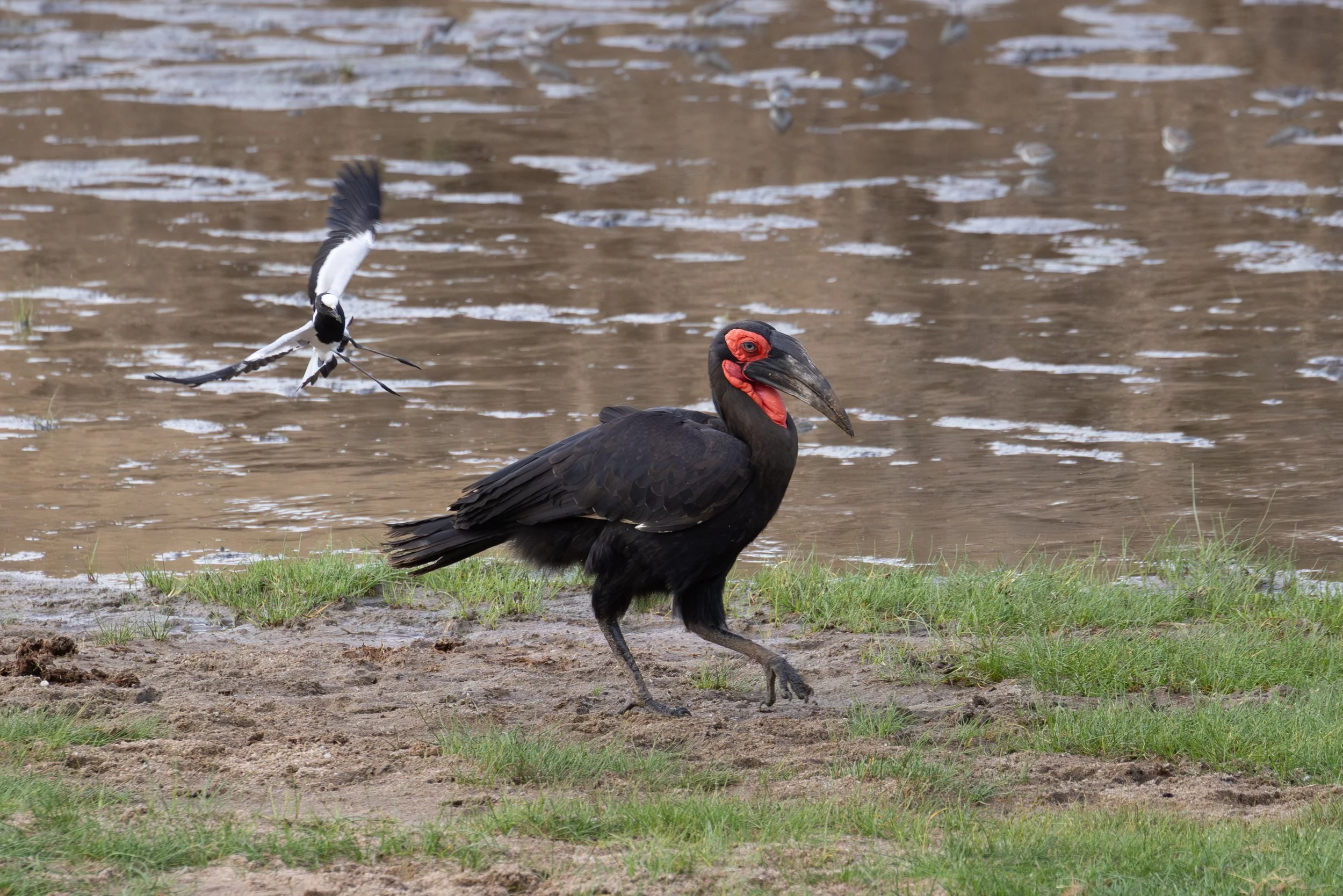
Southern Ground Hornbill
Silvery Cheeked
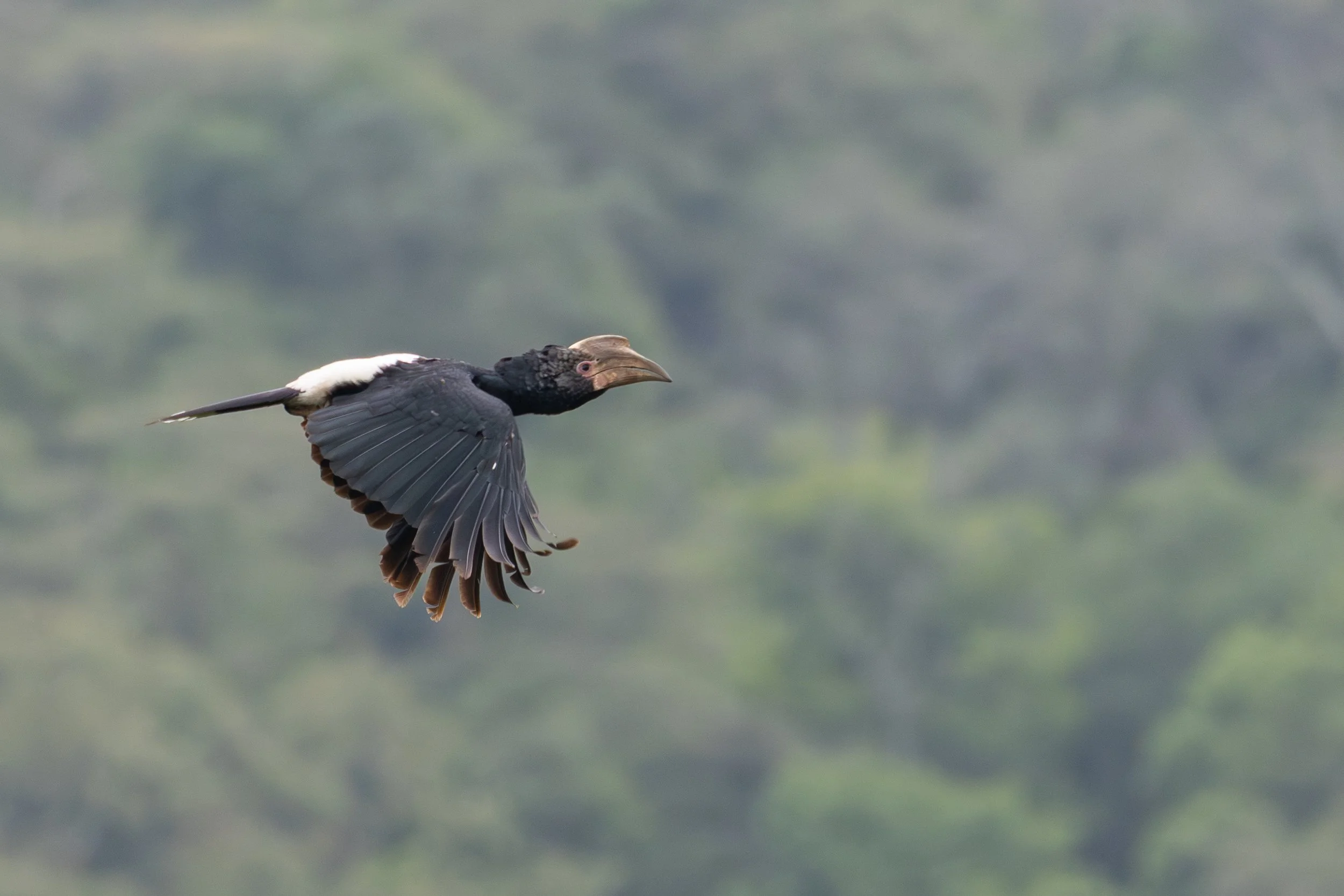
Silvery Cheeked Hornbill
red-billed
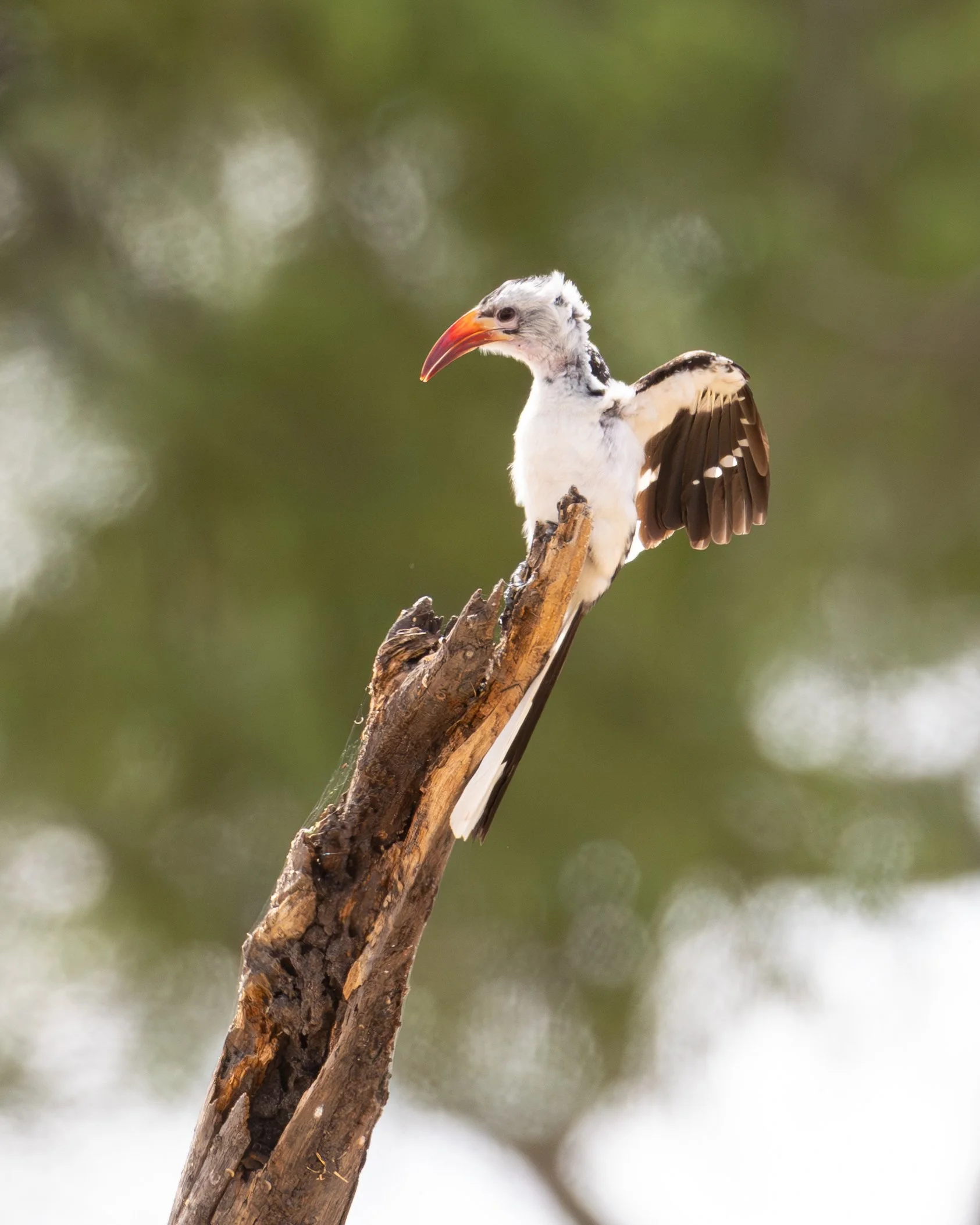
Tanzanian or Northern Red-billed Hornbill
Weavers
We saw weaver nests everywhere and I have a feeling we could have gotten easily a dozen different types if we had the time to wait to see birds coming to these nests but that could be an entire trip in itself. As it was I got a couple of pictures of two very pretty weavers.
Speke's
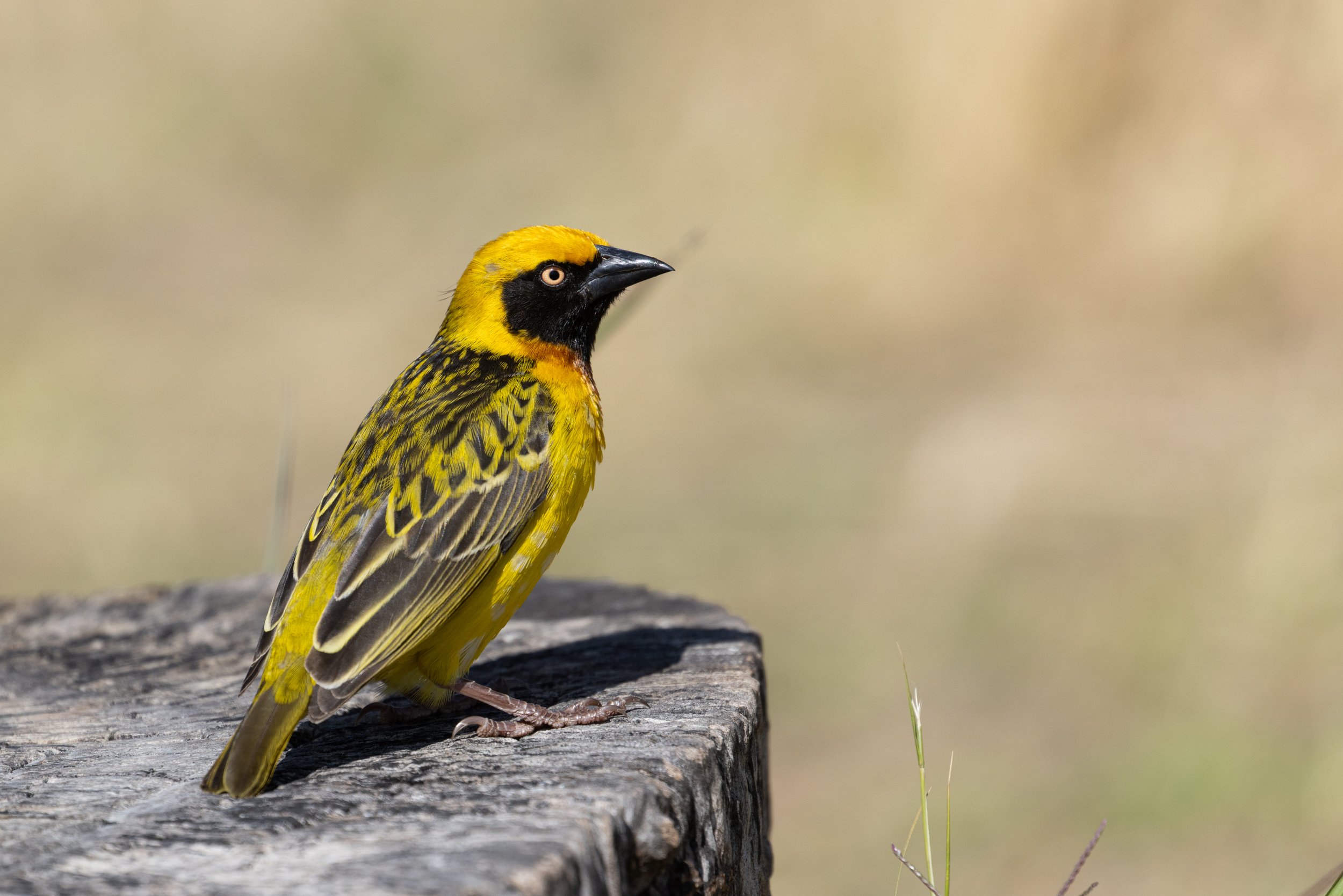
Speke’s Weaver
Blaglafecht
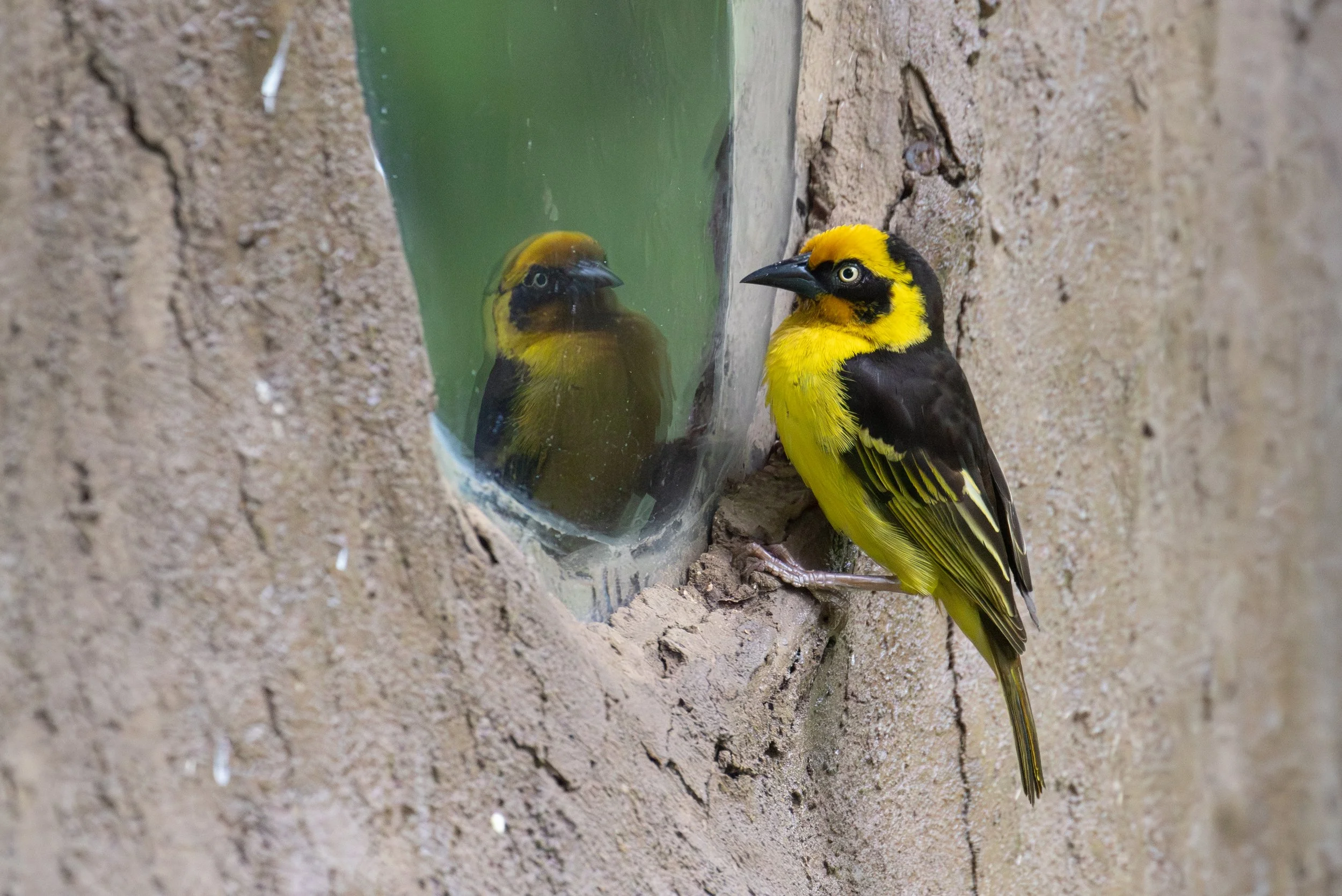
Baglafecht Weaver looking at its reflection
Eagles
I live in an area where there are often hundreds of Bald eagles available to get shots of and rarely I might find a golden eagle if I'm very lucky. In Tanzania we were able to see a good number of different types of eagles just driving the roads of the parks. I know I missed a couple while we were taking shots of other animals. I was able to get pictures of 4 different types flying around us and sitting in trees as we drove by.
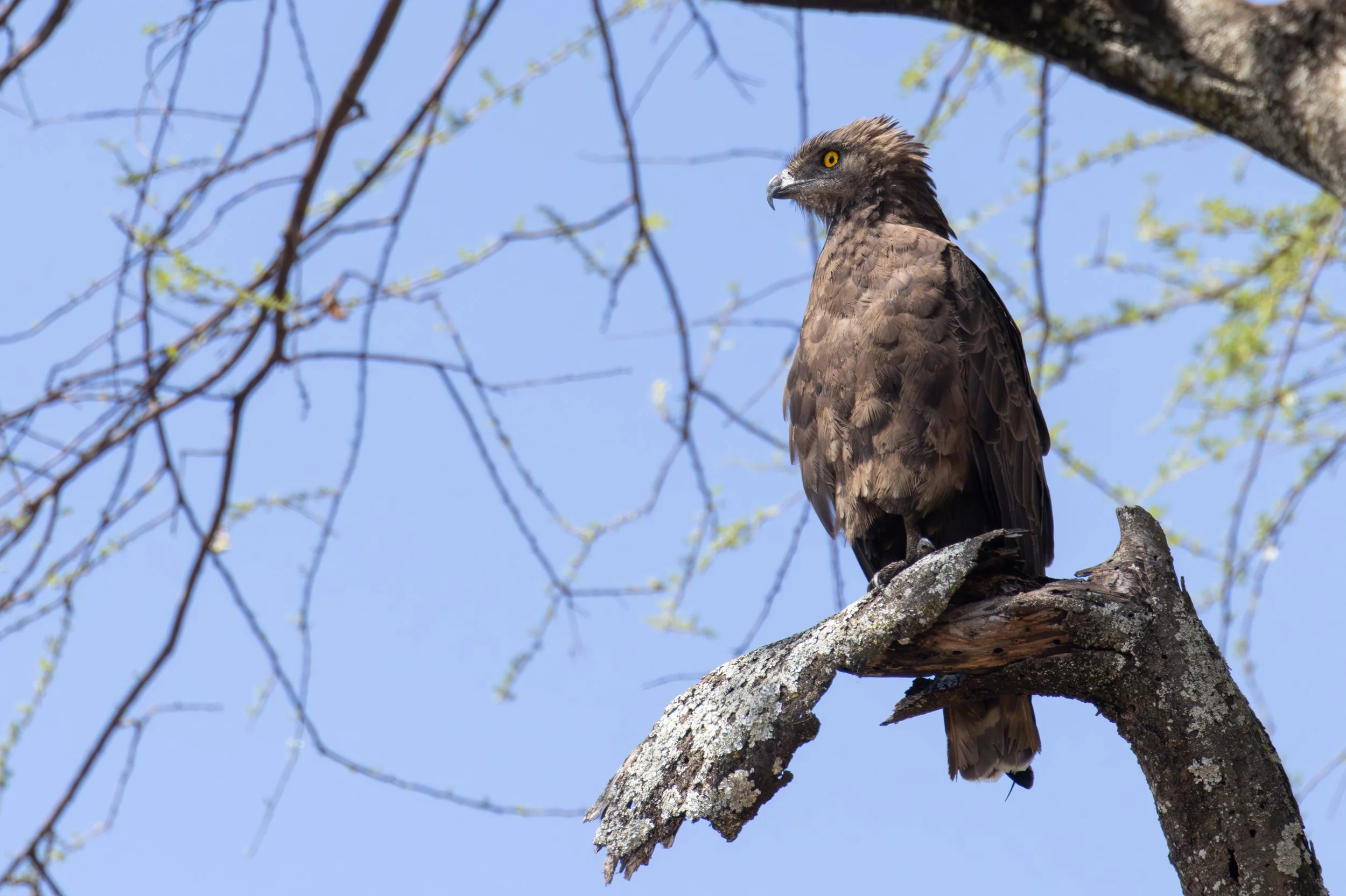
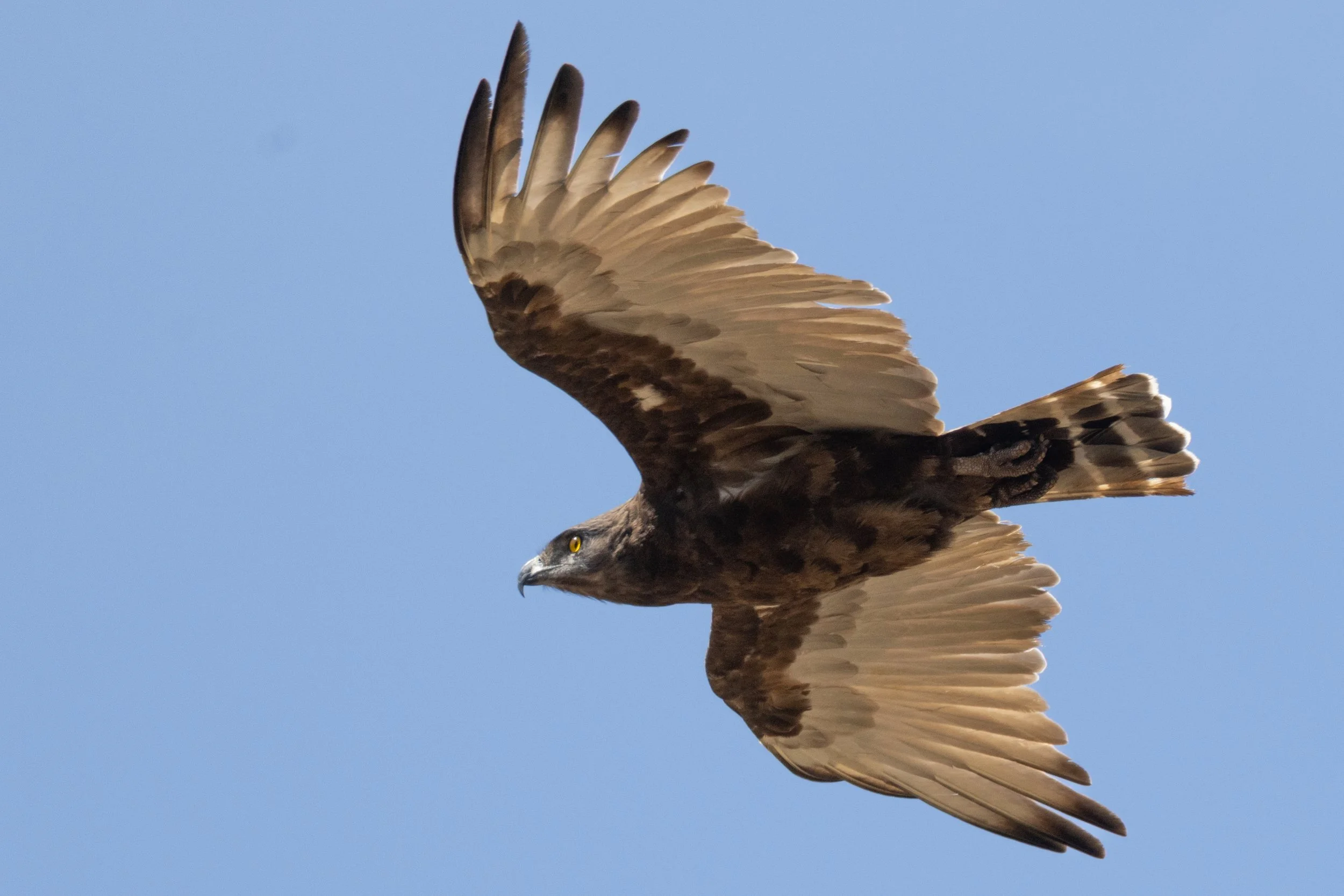
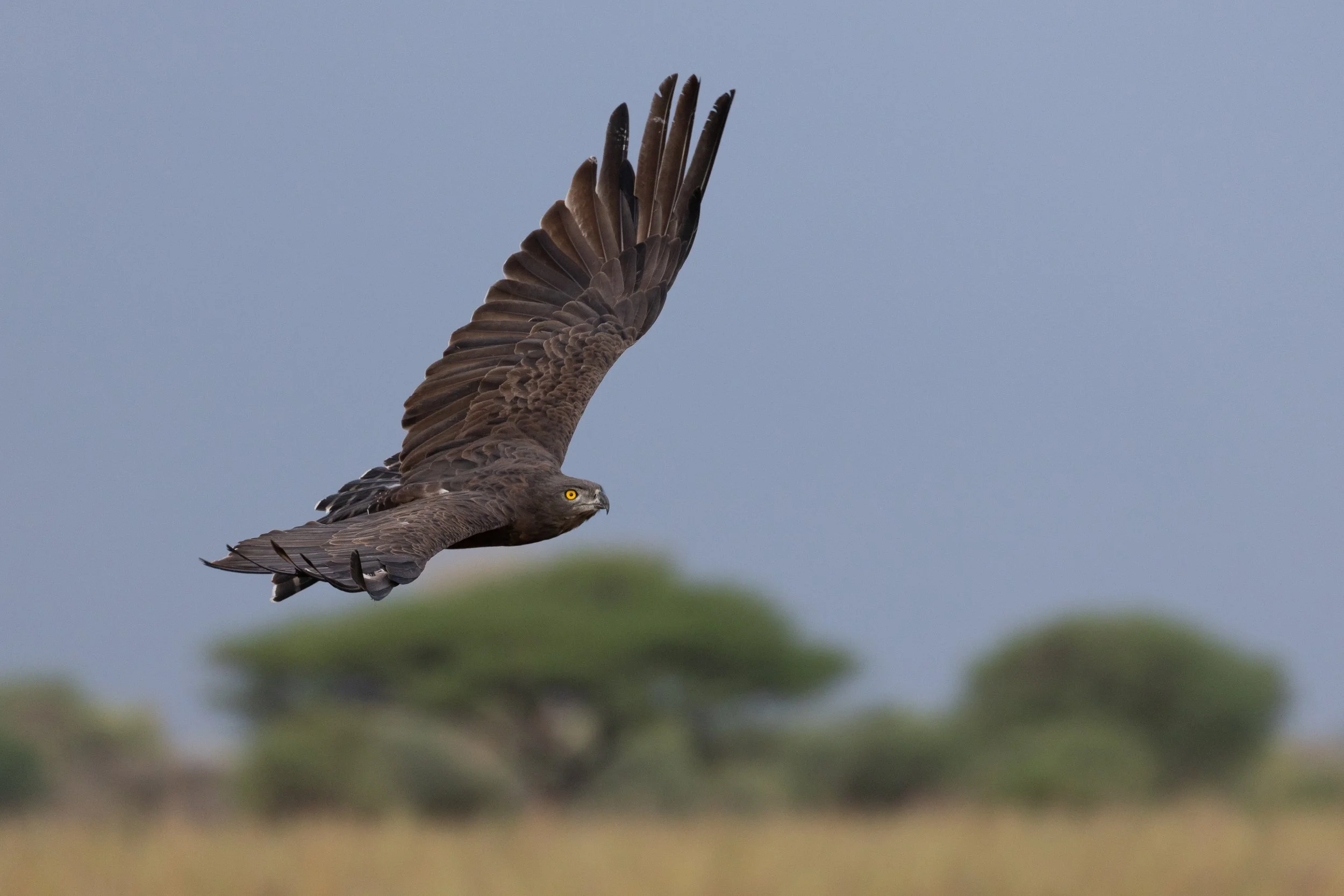
Brown snake eagle
One of the more common ones, would love to have seen one with a snake.
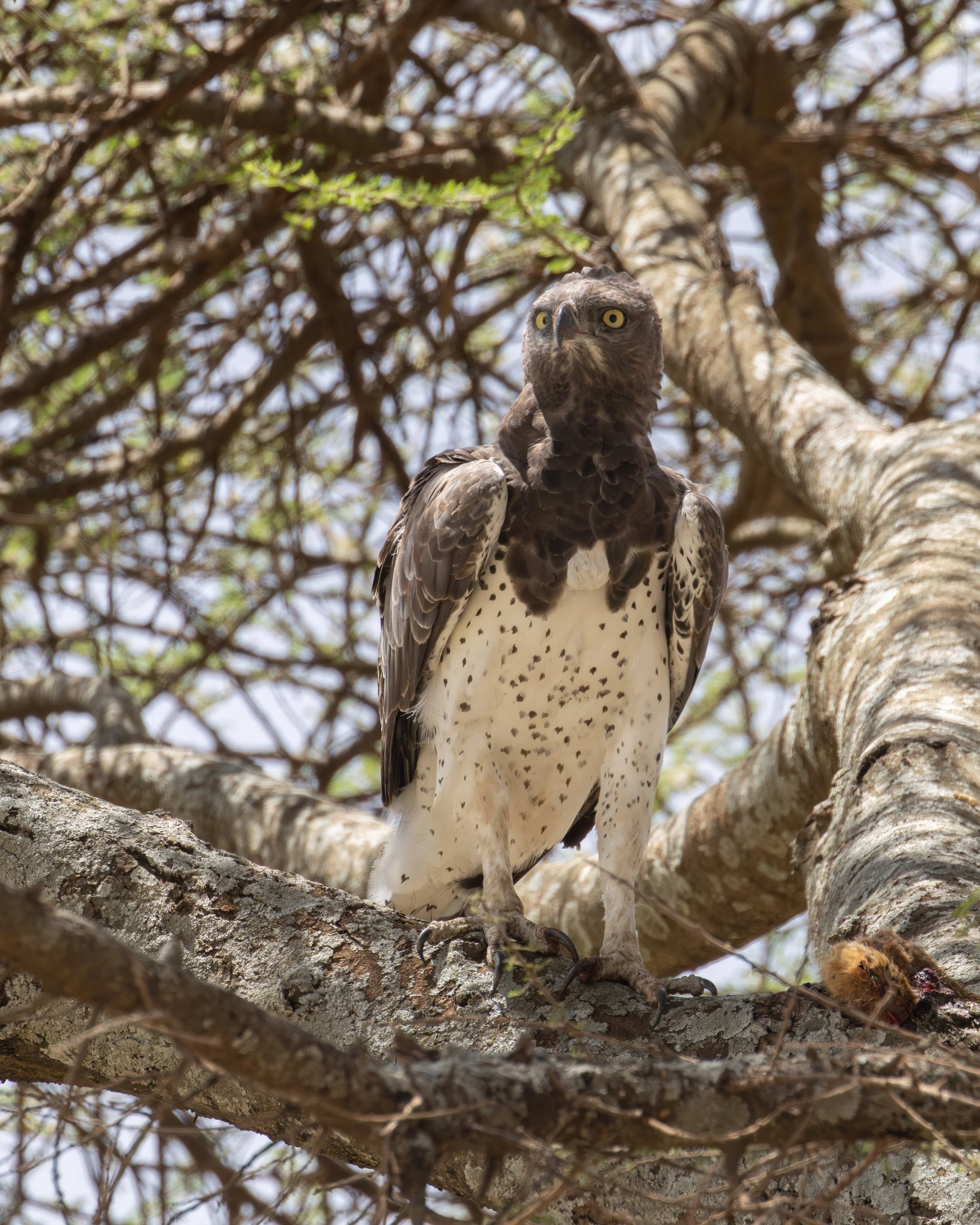
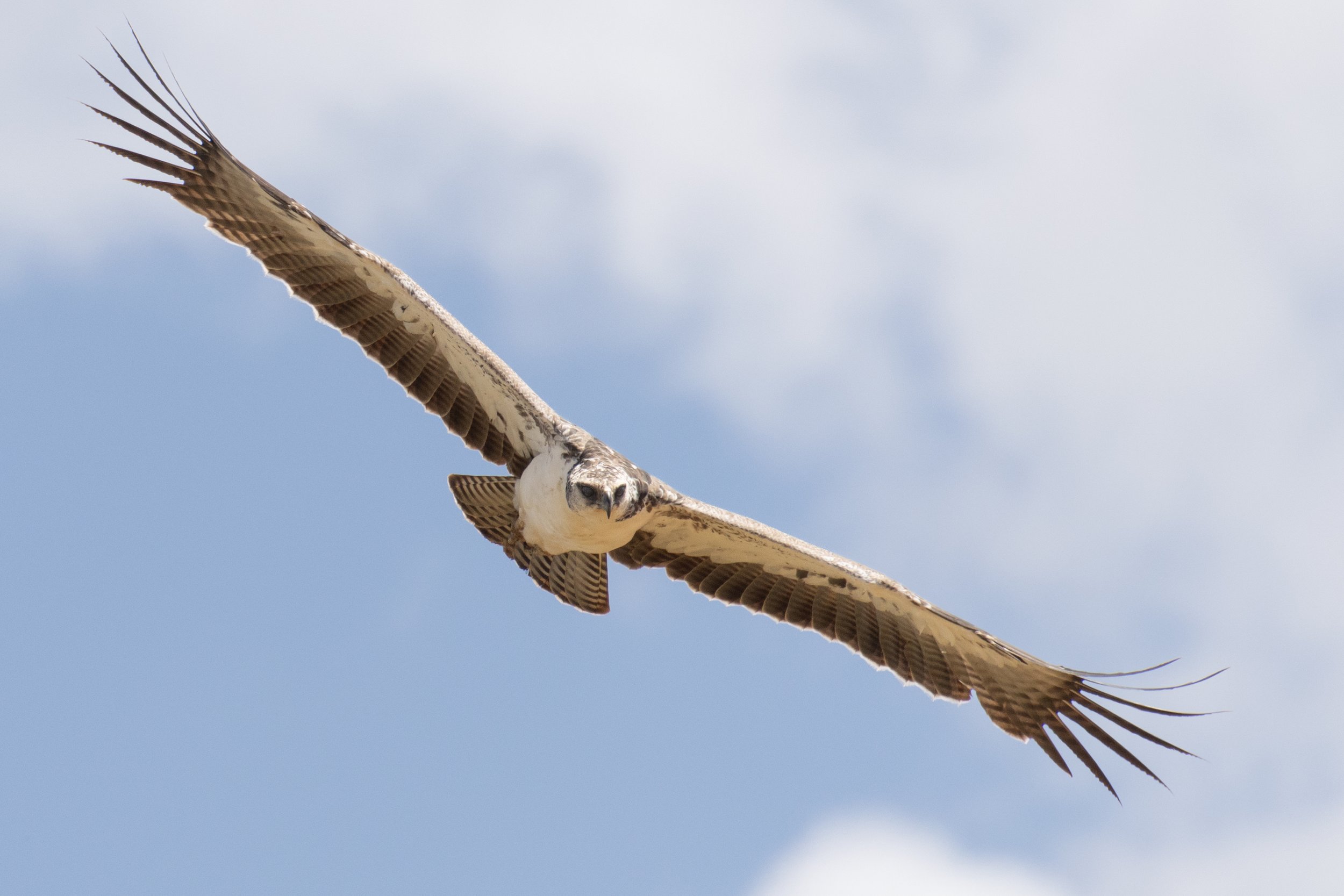
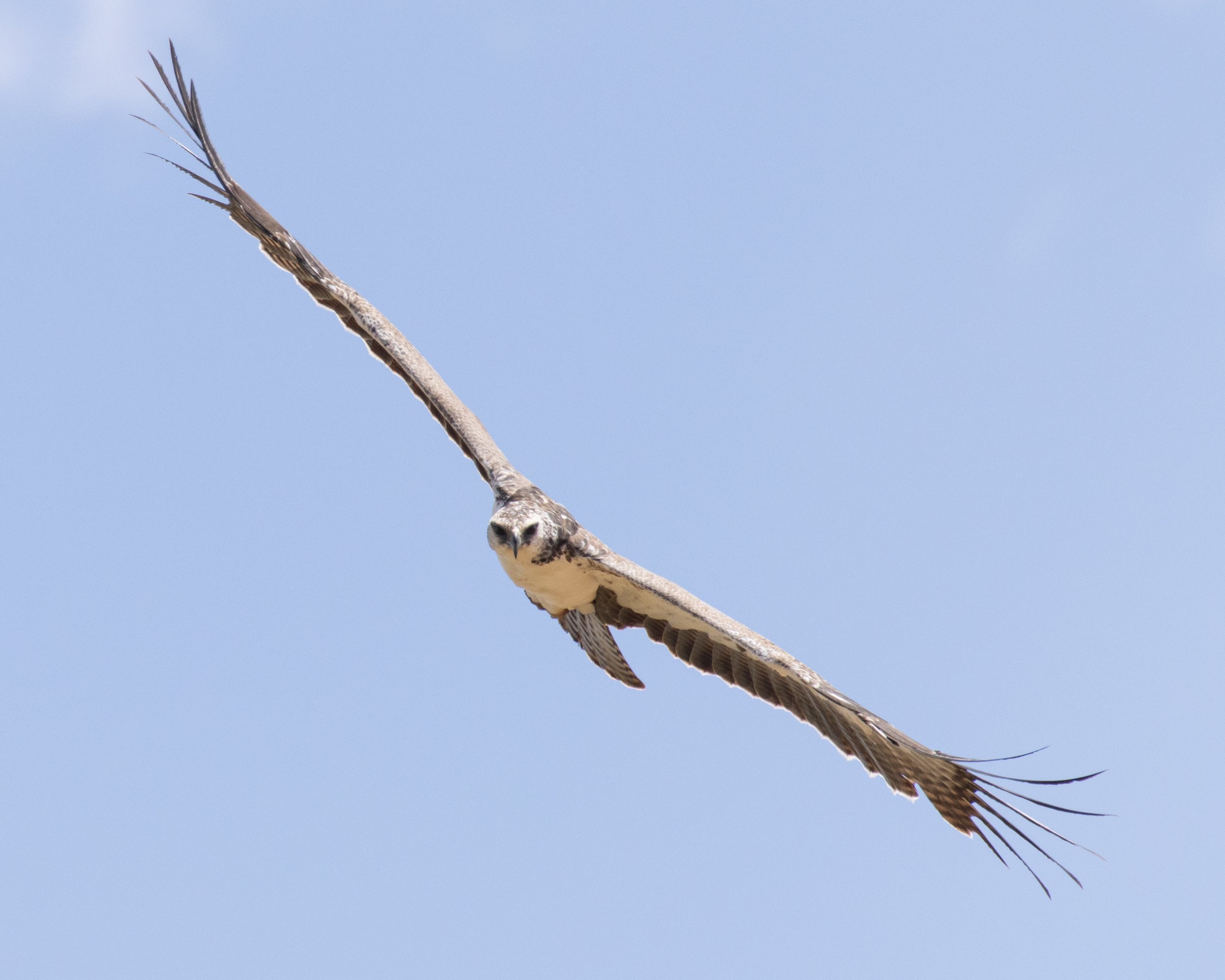
Martial eagle
One of the largest with a distinct white front and dark head. Sadly this was the only time I was able to capture one of these majestic birds.
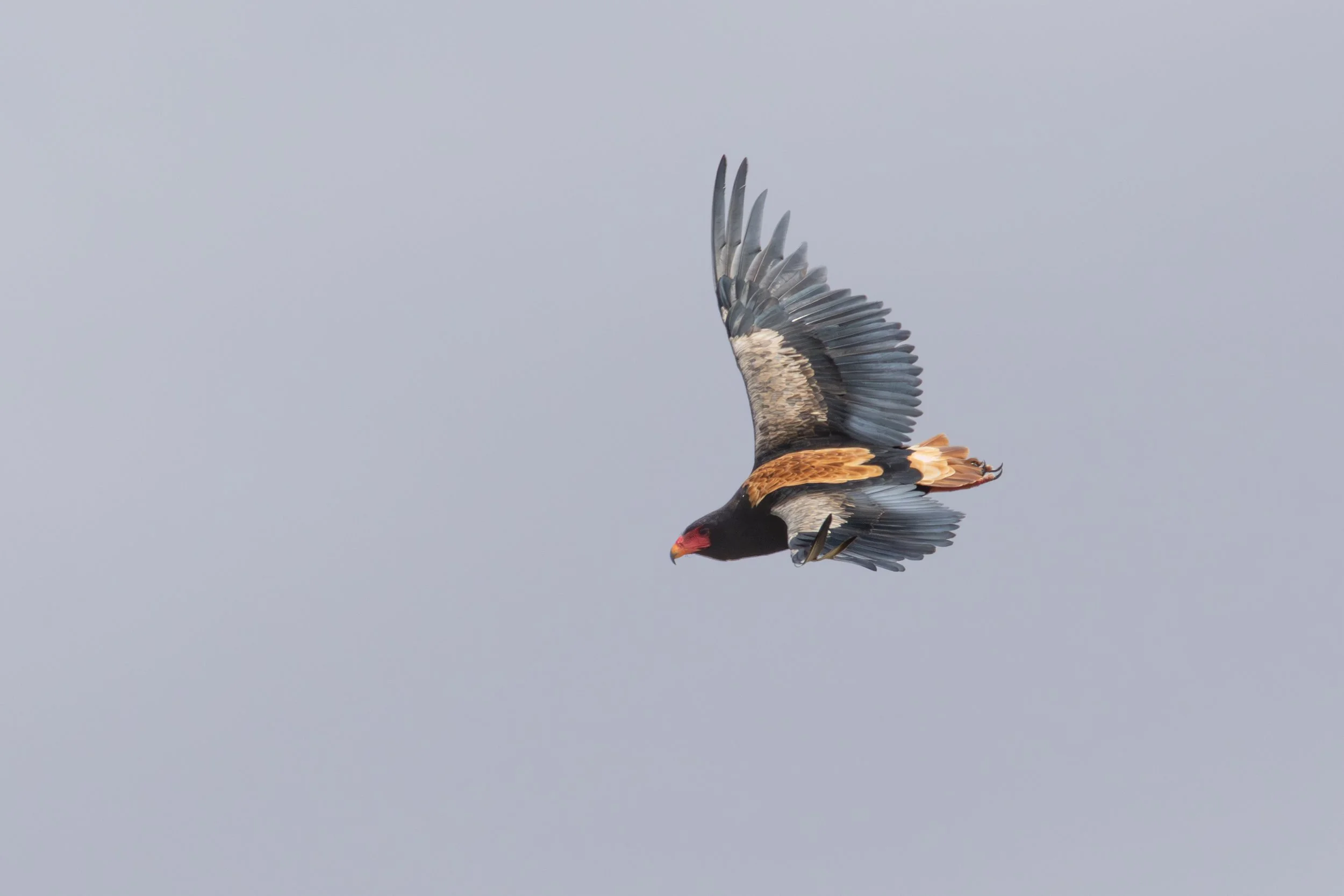
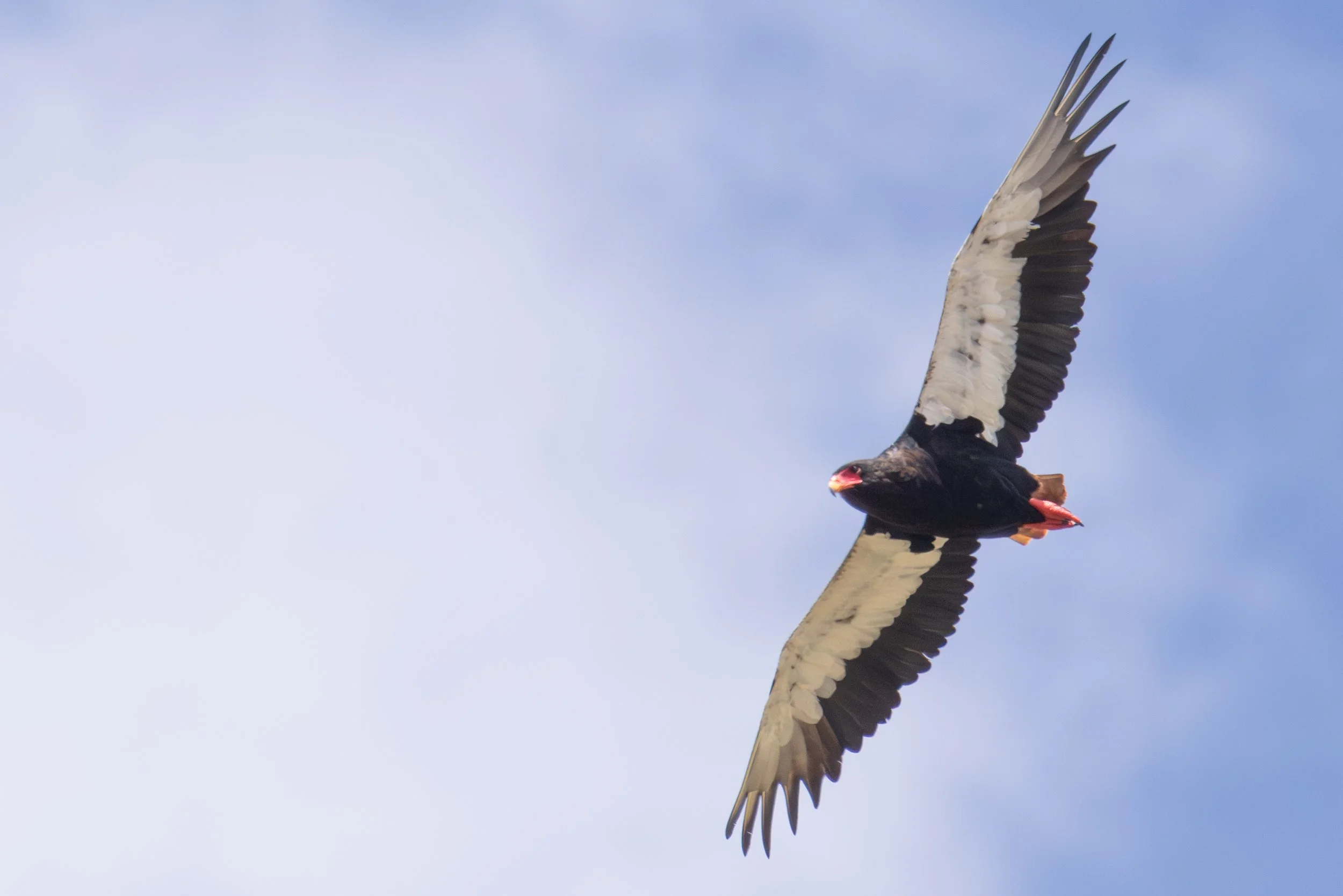
Bateleur Eagle
The Bateleur Eagle is mostly white and black but has a brownish patch across the back and onto the tail feathers.
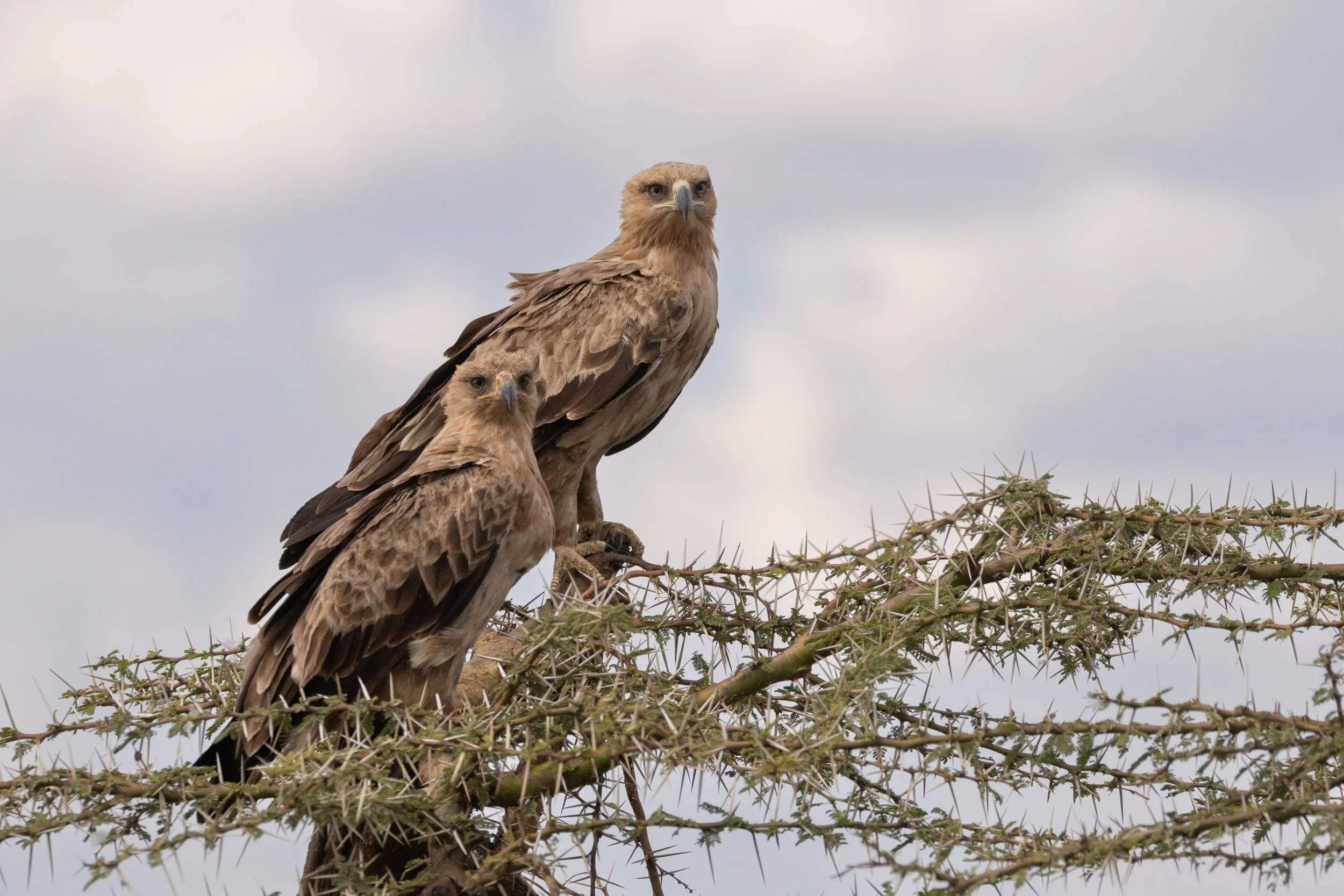
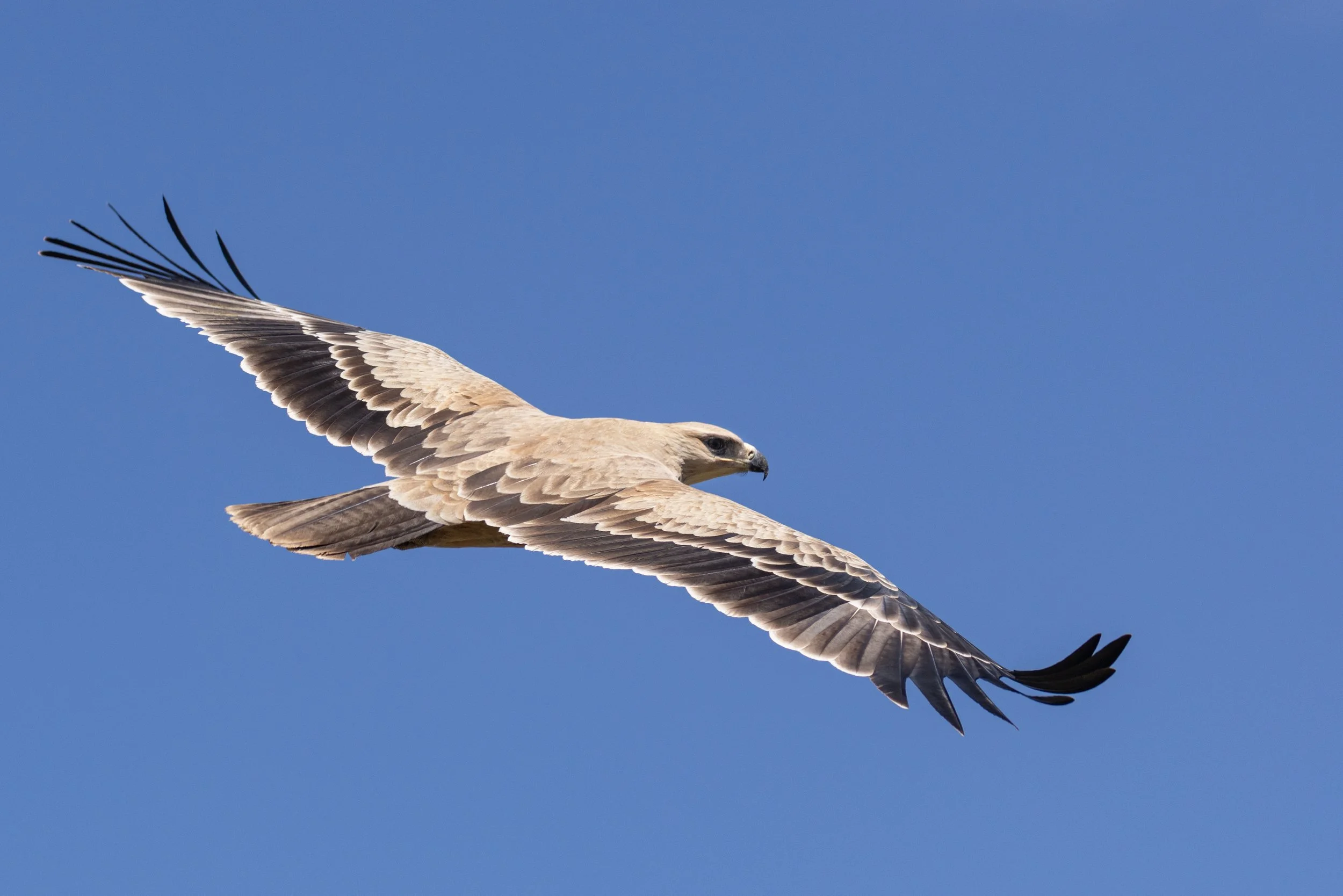
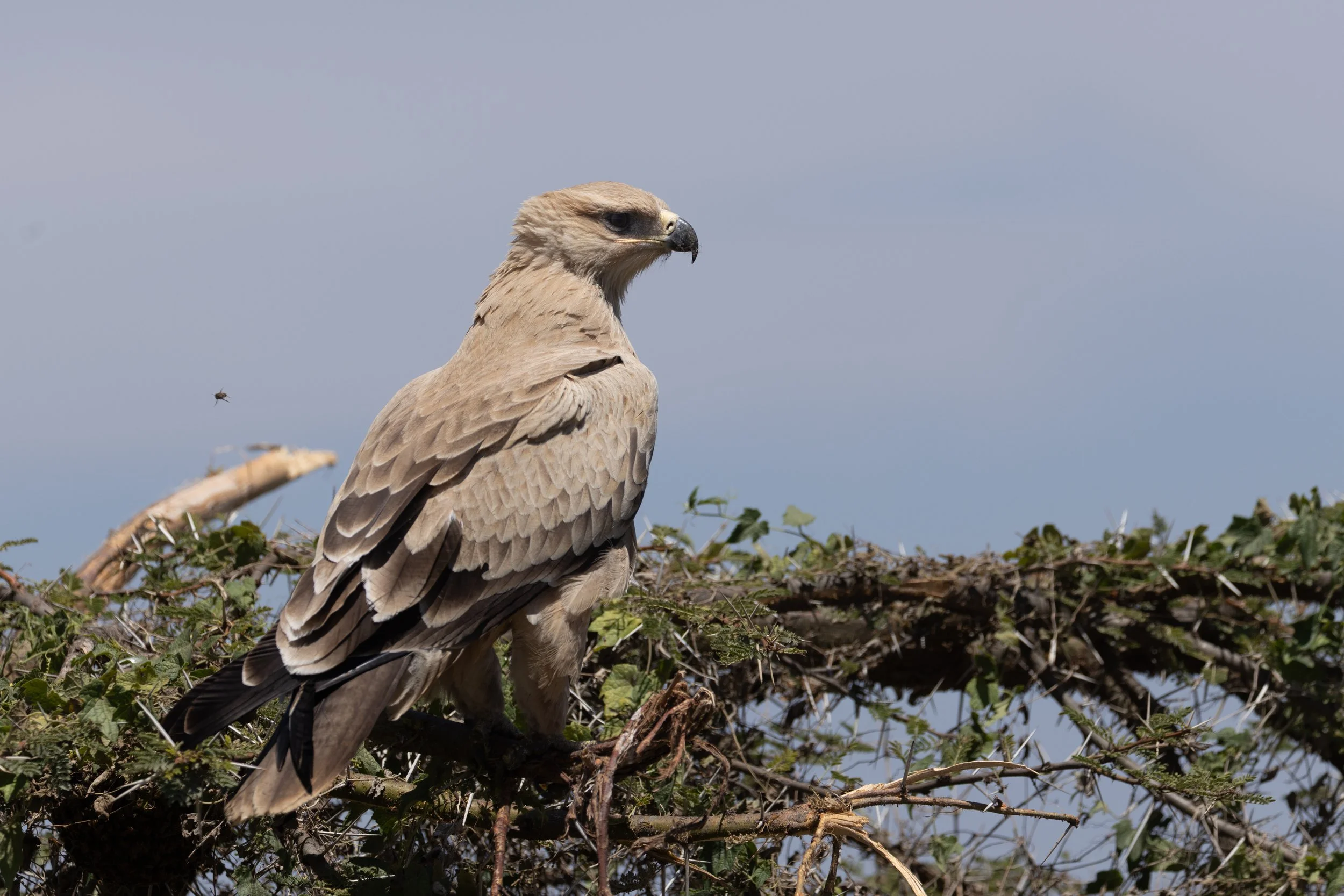
Tawny Eagles
Tawny eagles where often seen hanging out at the tops of the acacia trees.
Other birds of prey
Verreaux’s Eagle-Owl
Verreaux's eagle-owl with pink eyelids. An amazing bonus while we were watching a leopard in the tree below.
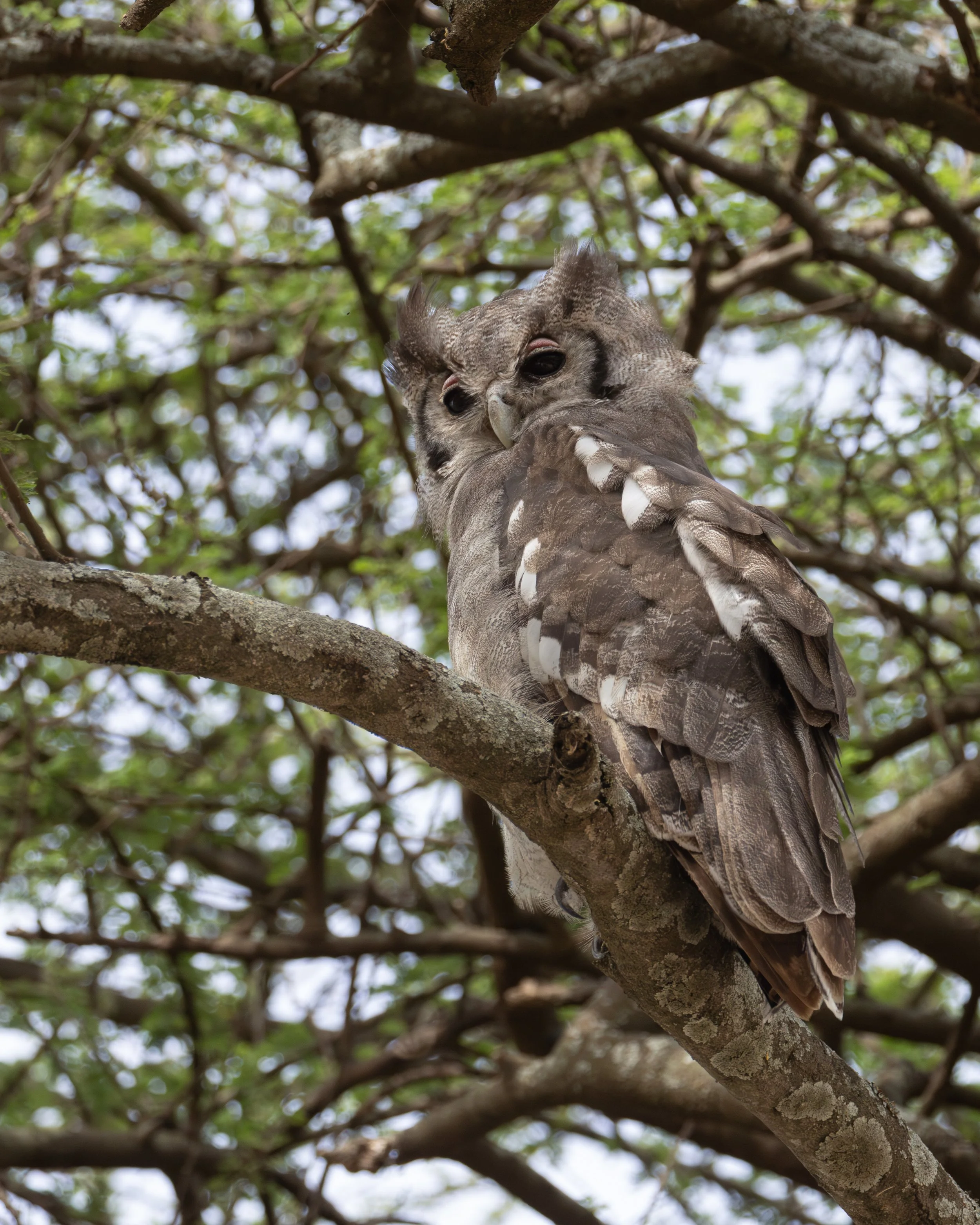
Verreaux’s Eagle-owl
Goshawk
Goshawks were another common bird seen in branches of trees, interesting looking birds that look like they are wearing striped knickers and a grey top.
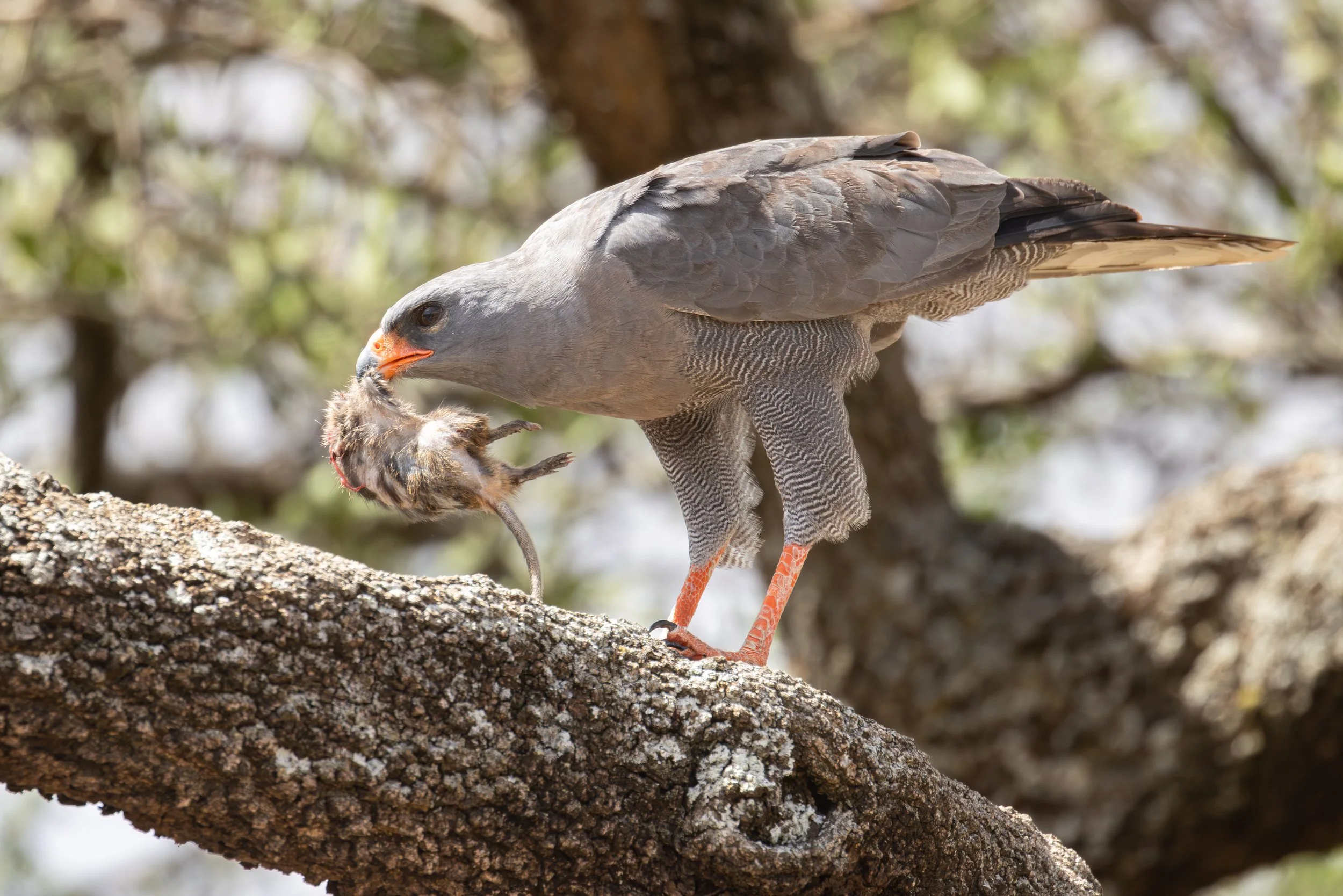
Goshawk with a little rodent for dinner
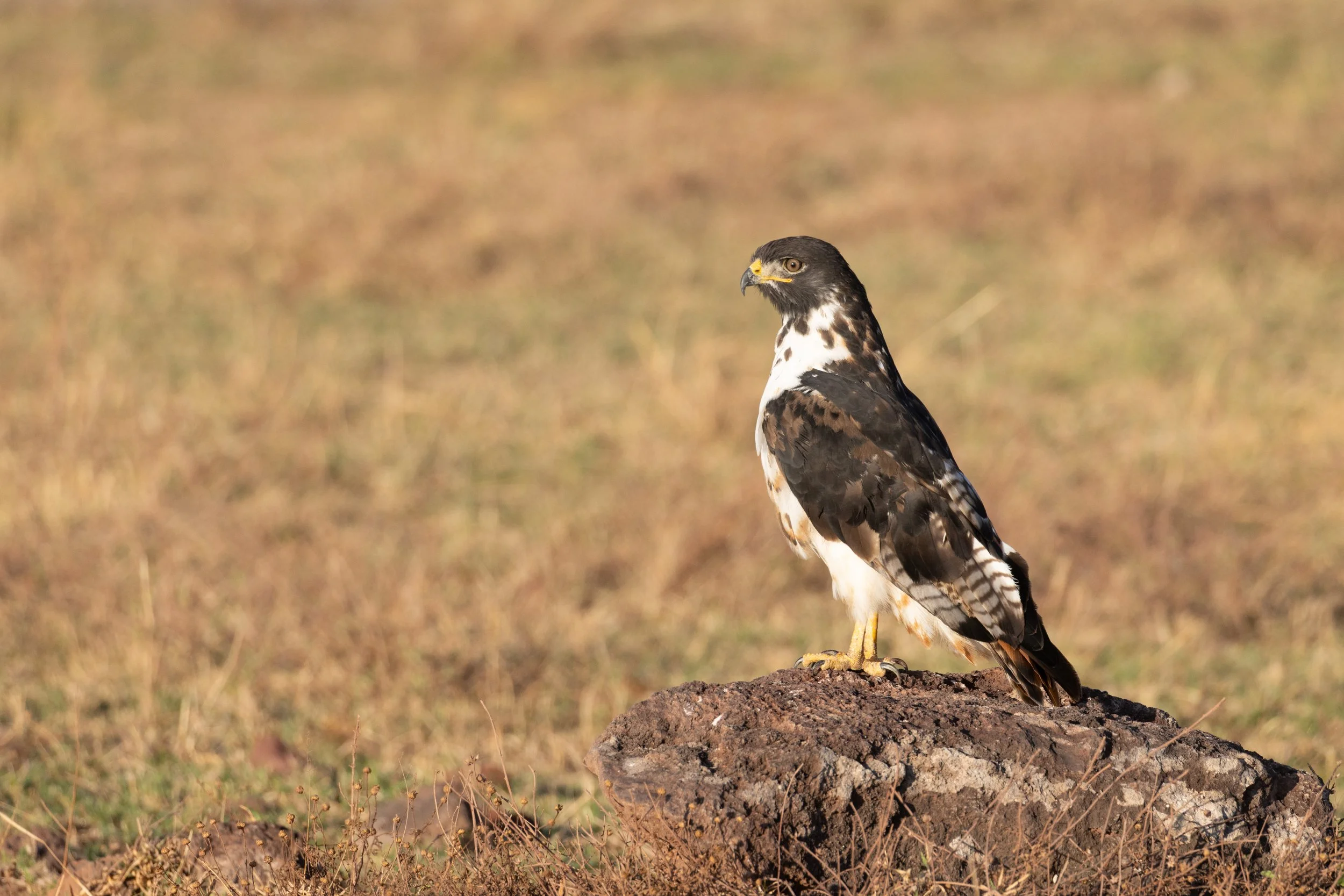
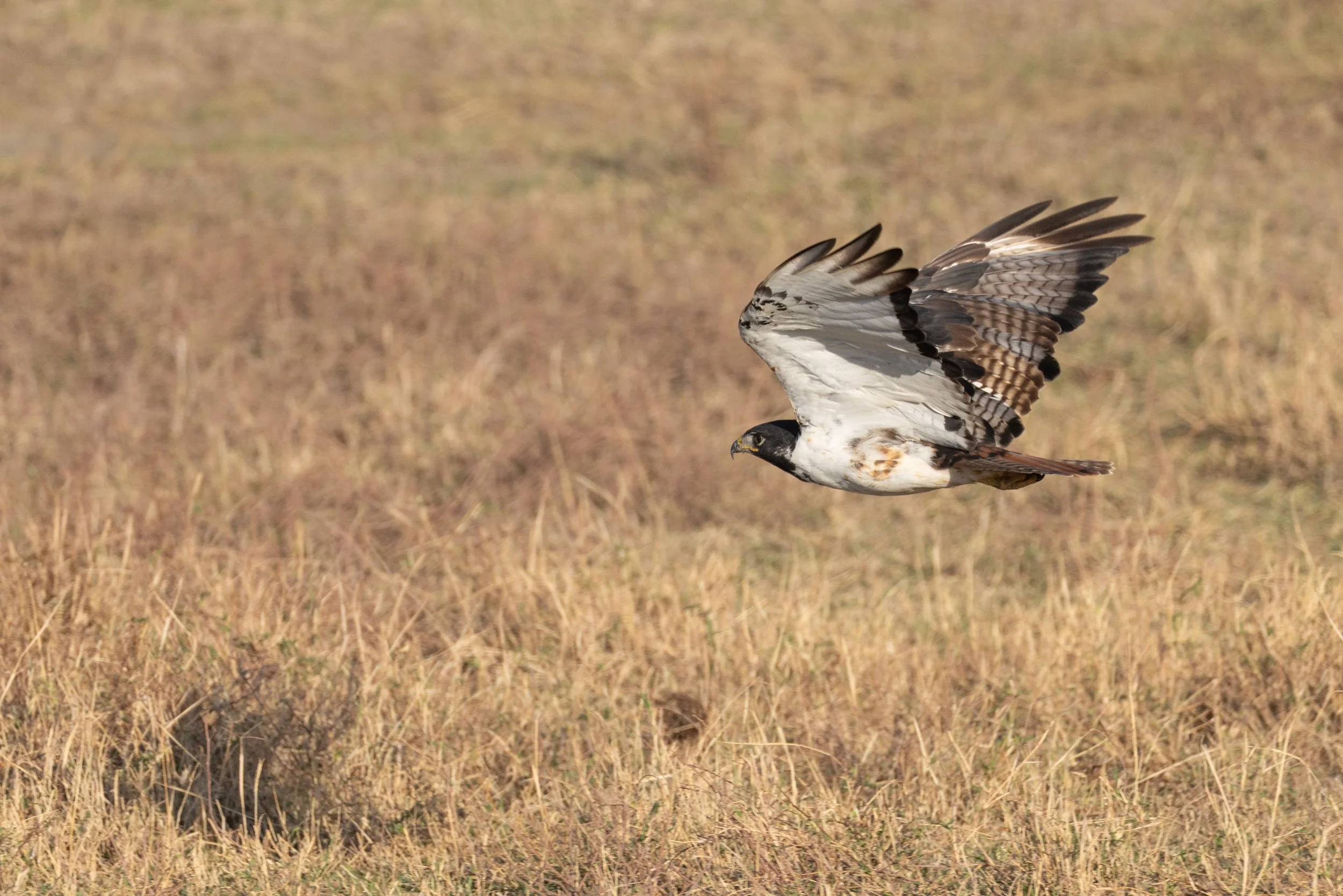
Augur Buzzard
Also got to see my first Buzzard, this one was an Augur Buzzard that seems to be hunting much like a northern harrier over the fields of grass.
Kingfishers
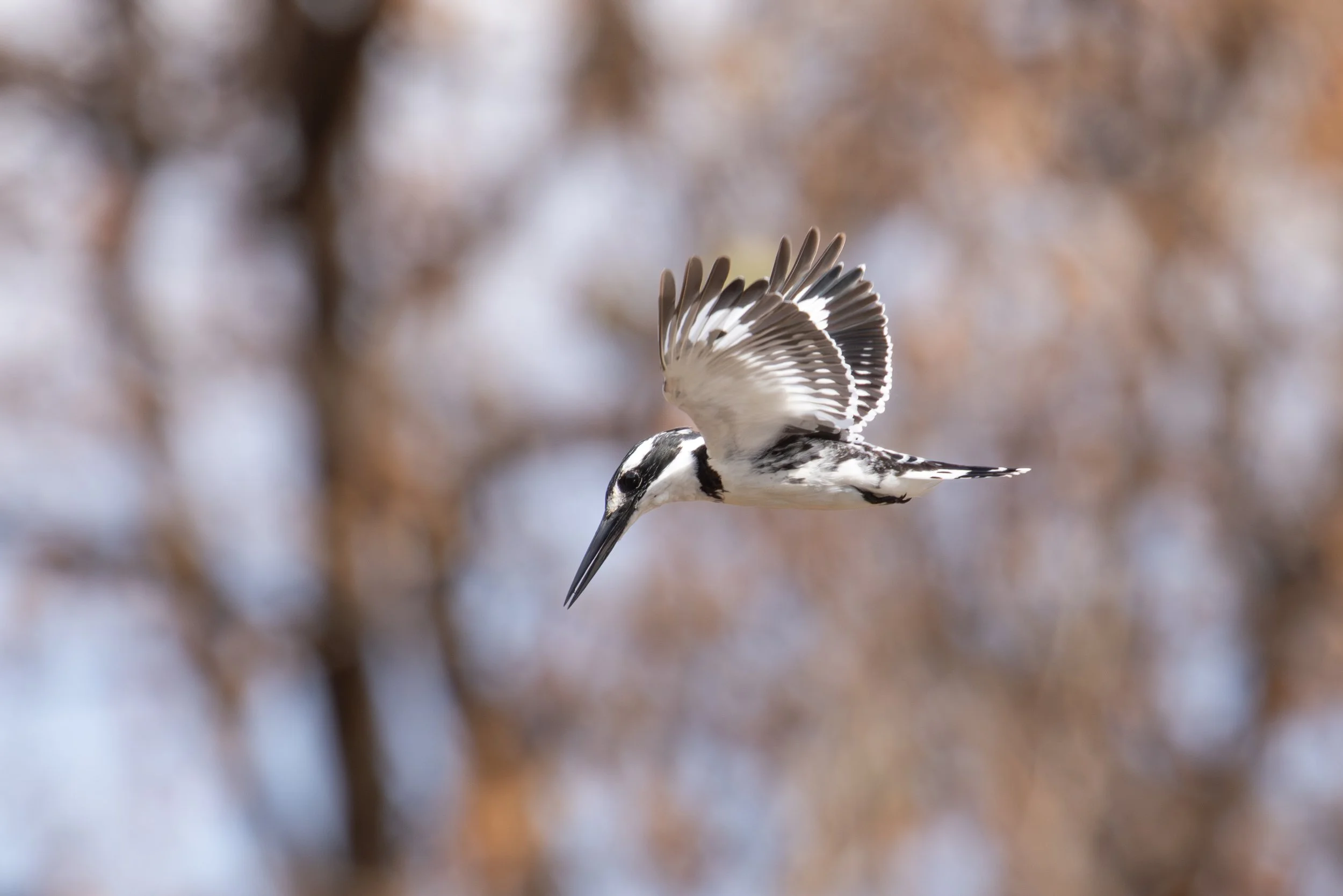
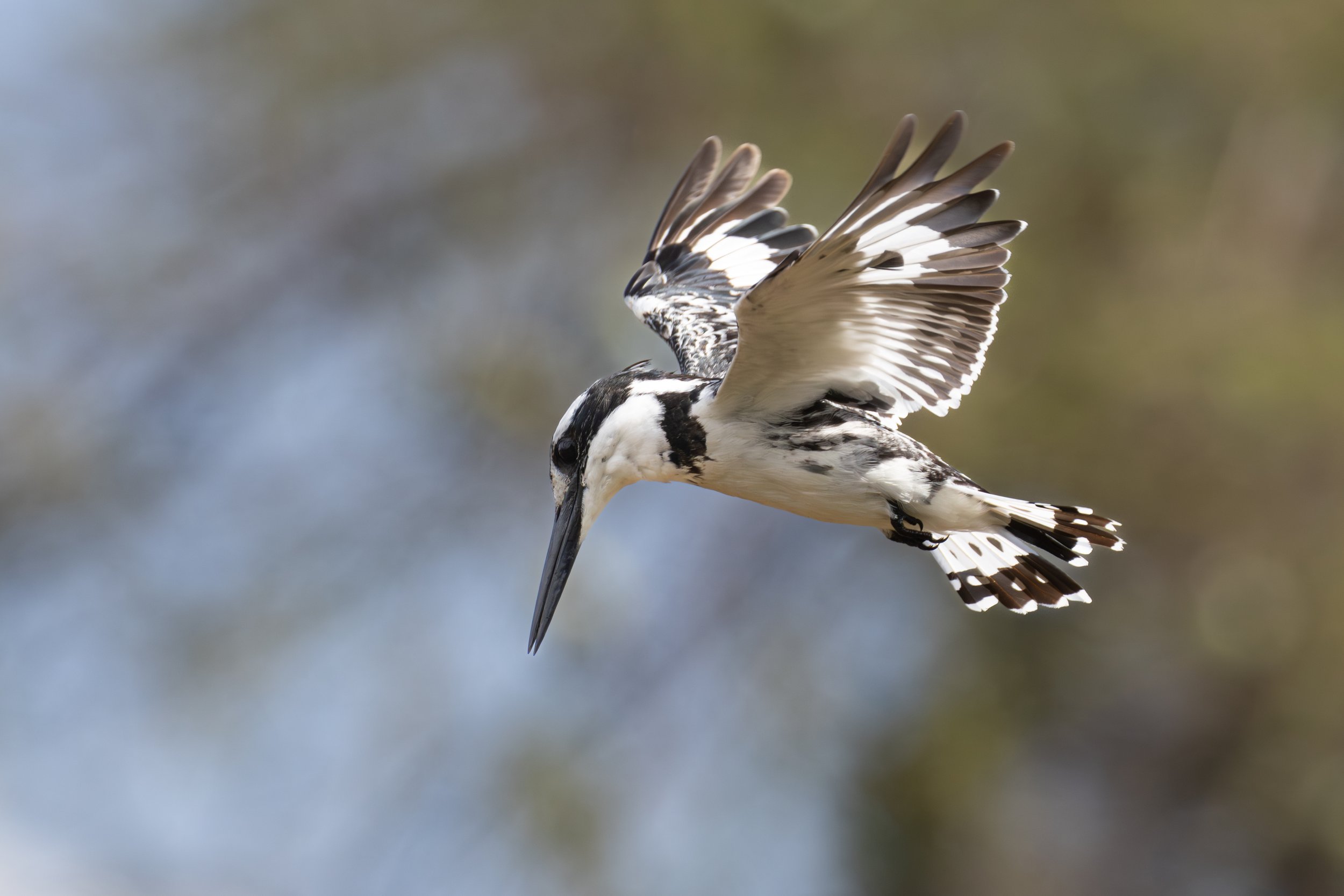
Belted kingfishers are pretty common in North America but that is the only kingfisher that we will see. Pretty much anywhere there was water and a perch nearby we saw kingfishers in Tanzania.
Pied kingfisher
African pygmy
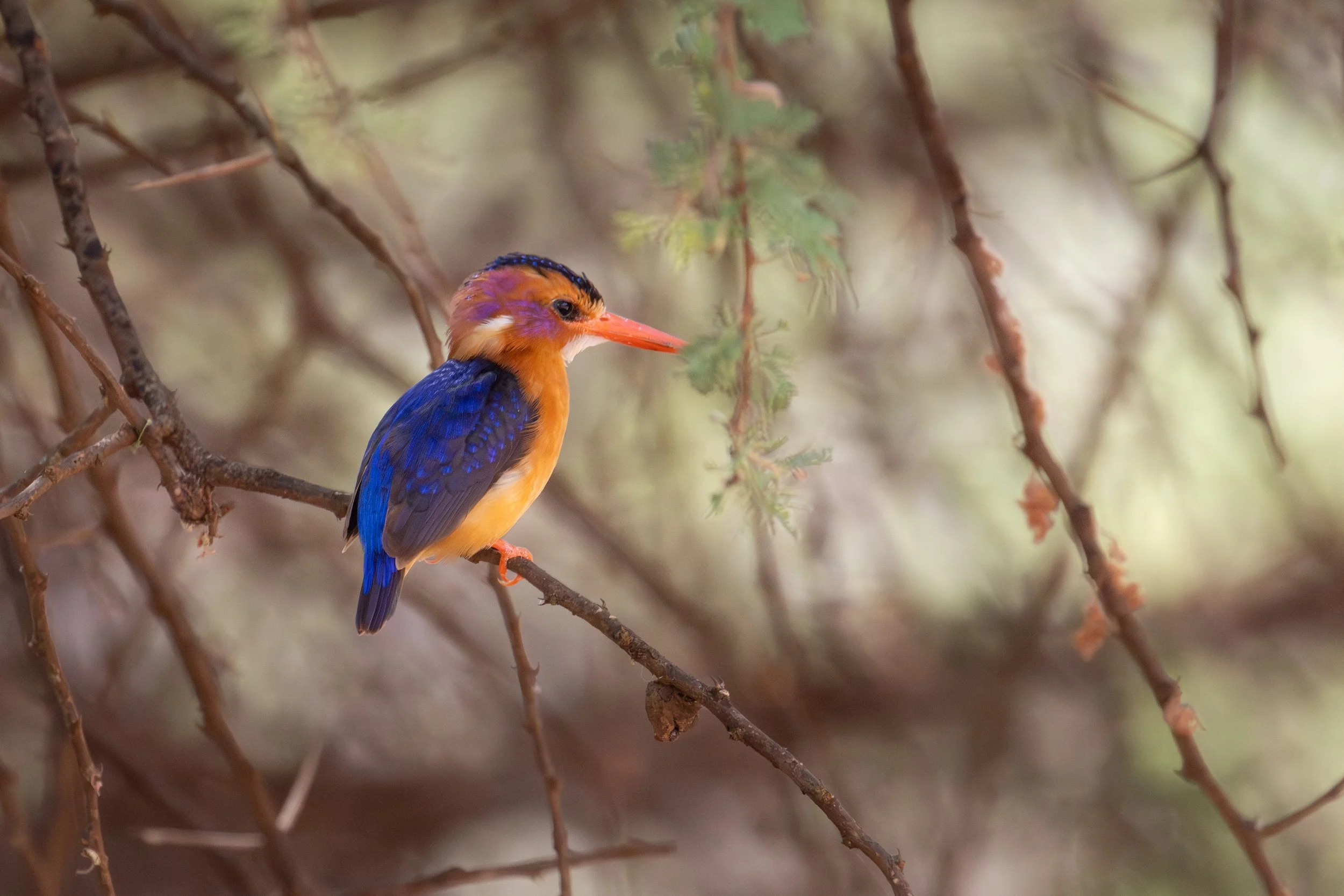
African pygmy kingfisher deep in the brush
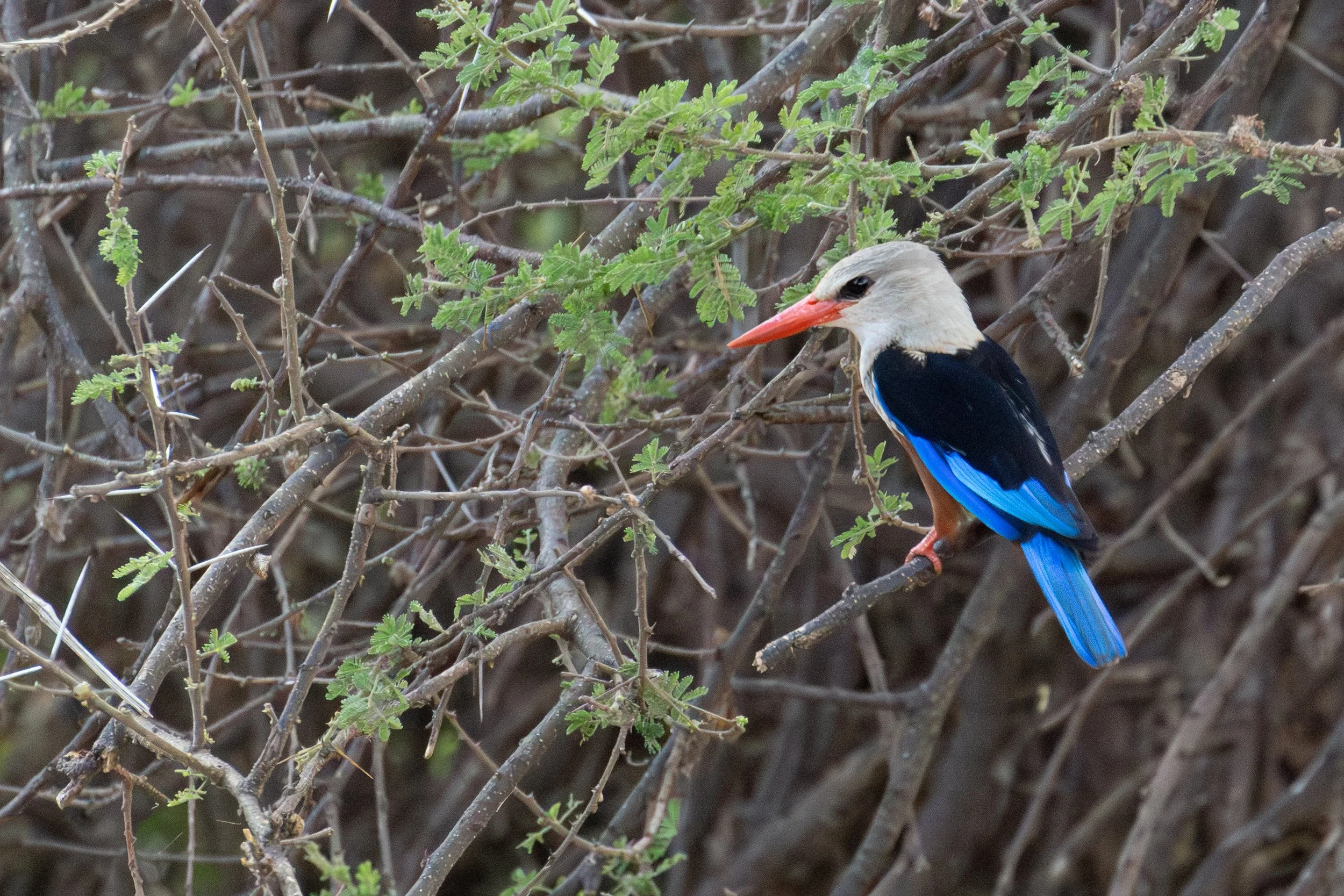
grey headed
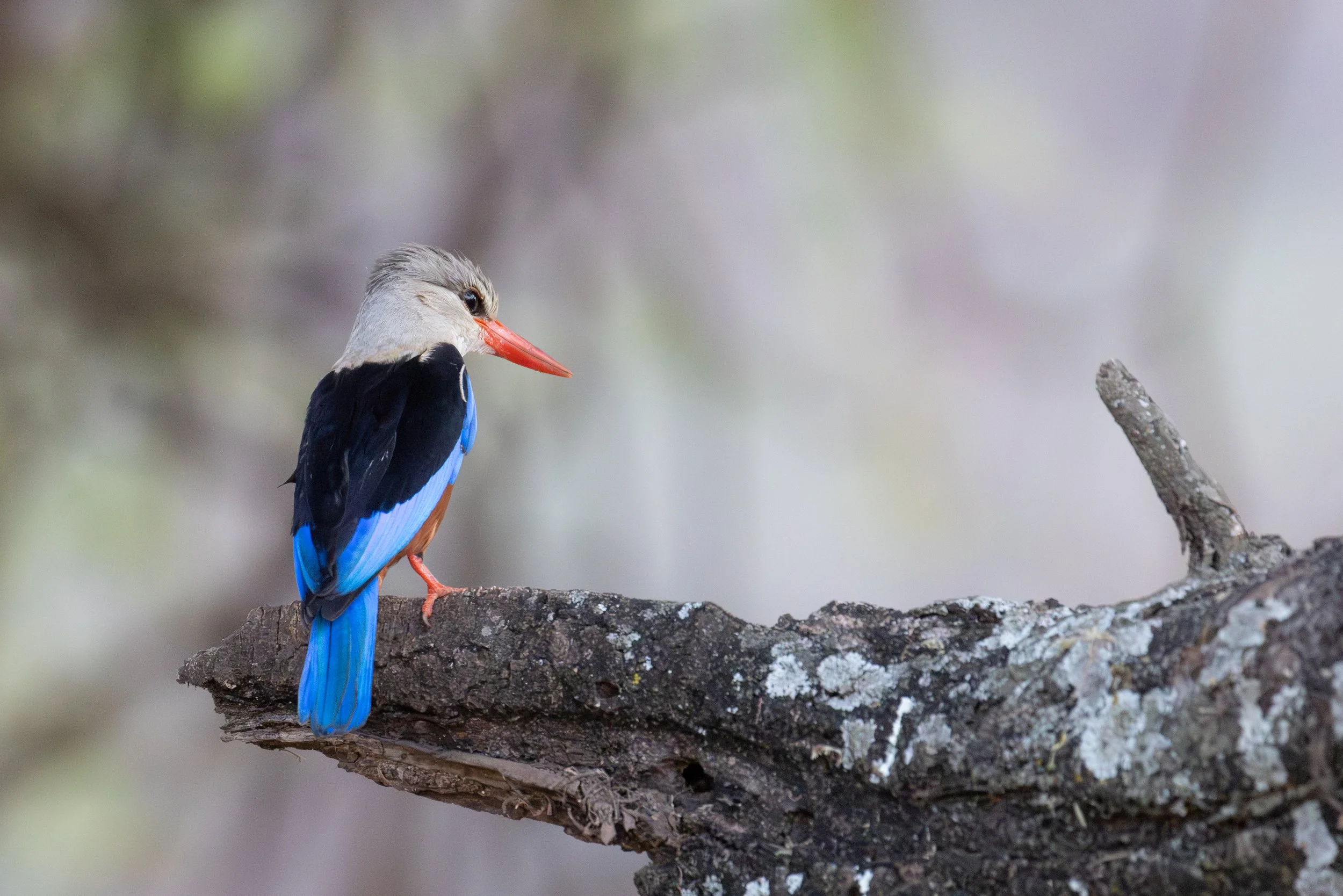
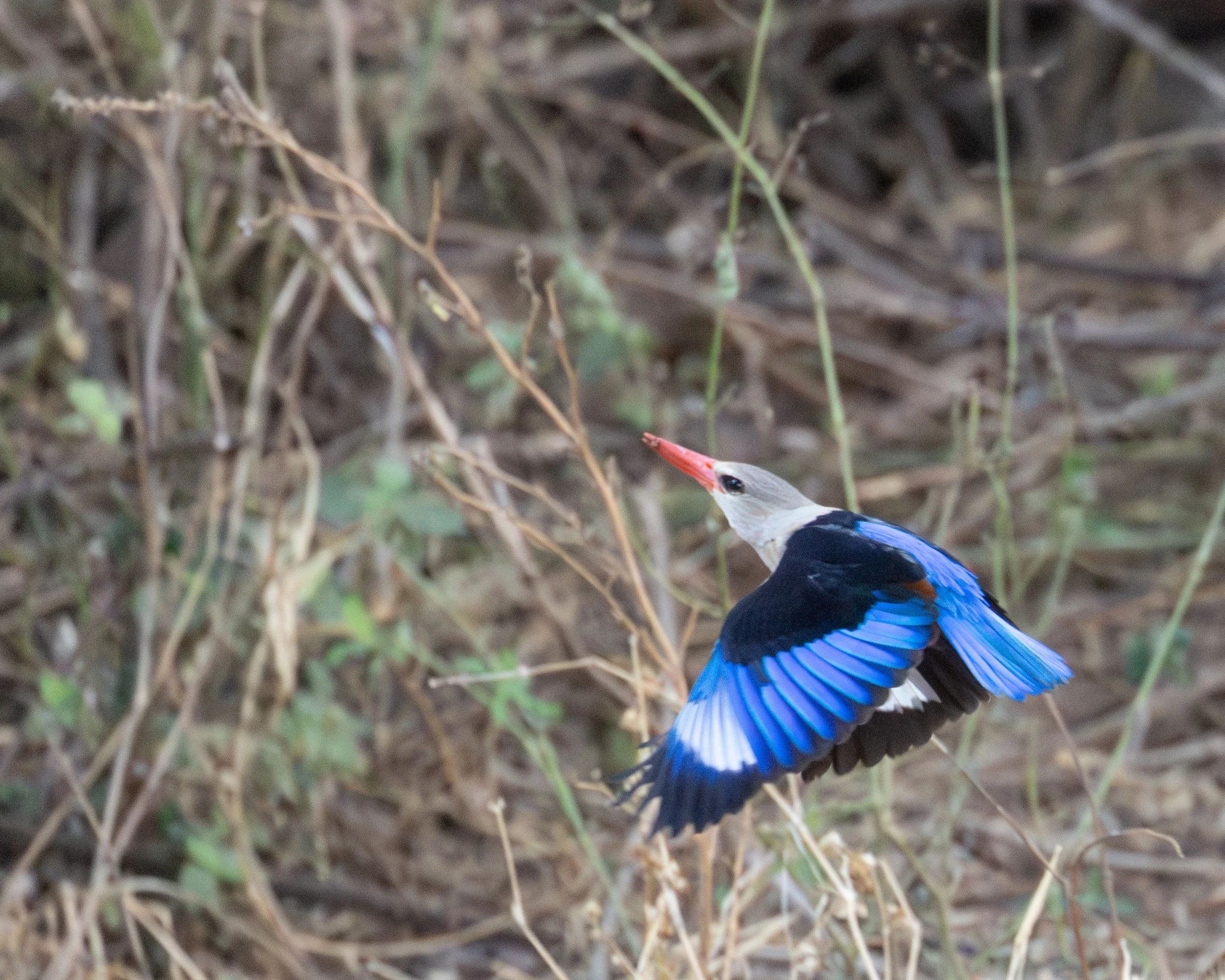
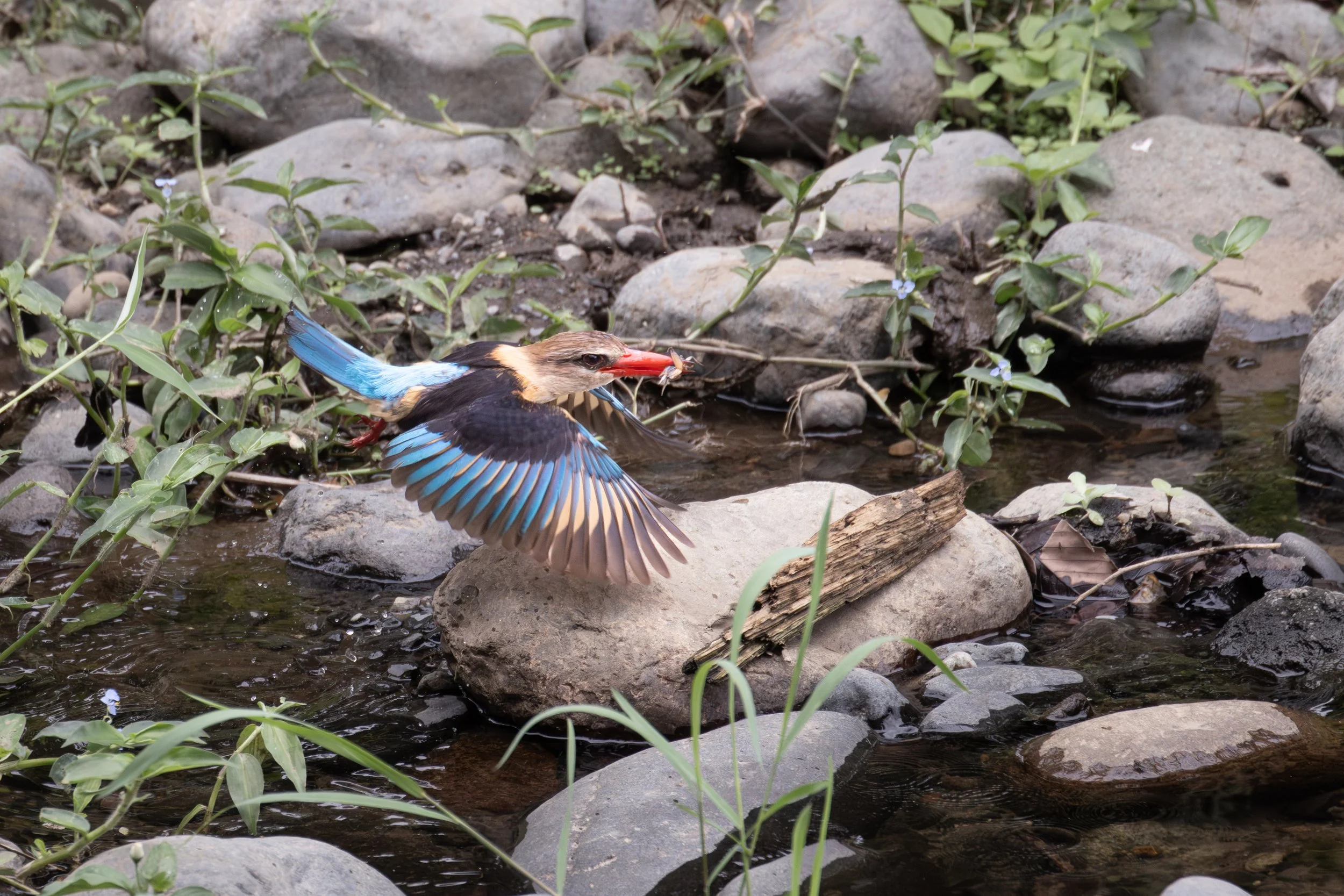
brown hooded
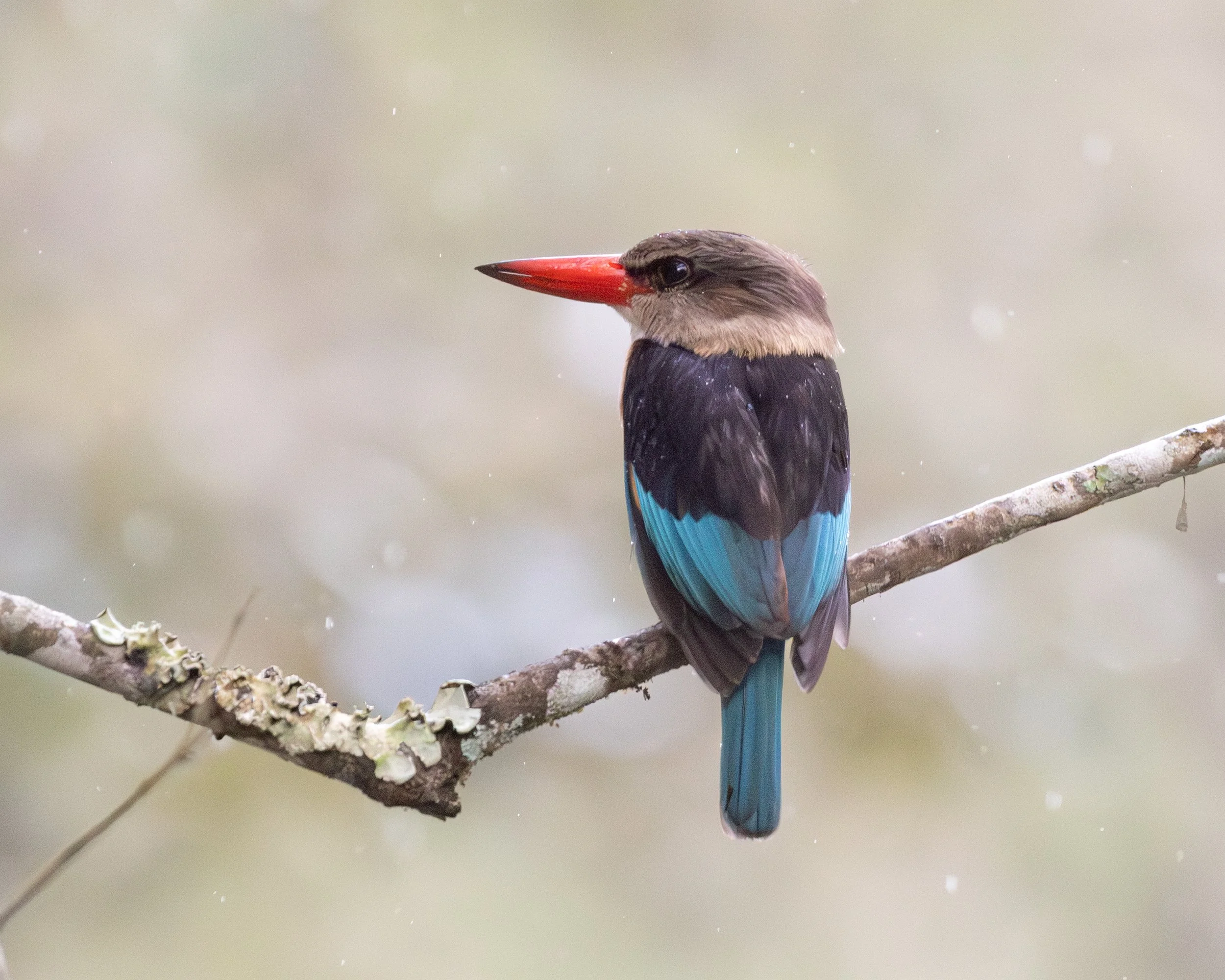
Brown-hooded kingfisher
Storks
We saw three of eight types of storks found in Africa. From one of the most beautiful (Saddle-billed) to definitely one of the ugliest (Marabou), they are large wading birds mostly feeding on small fish, frogs and other aquatic life although the Marabou stork will also follow vultures to a carcass.
Saddle-billed
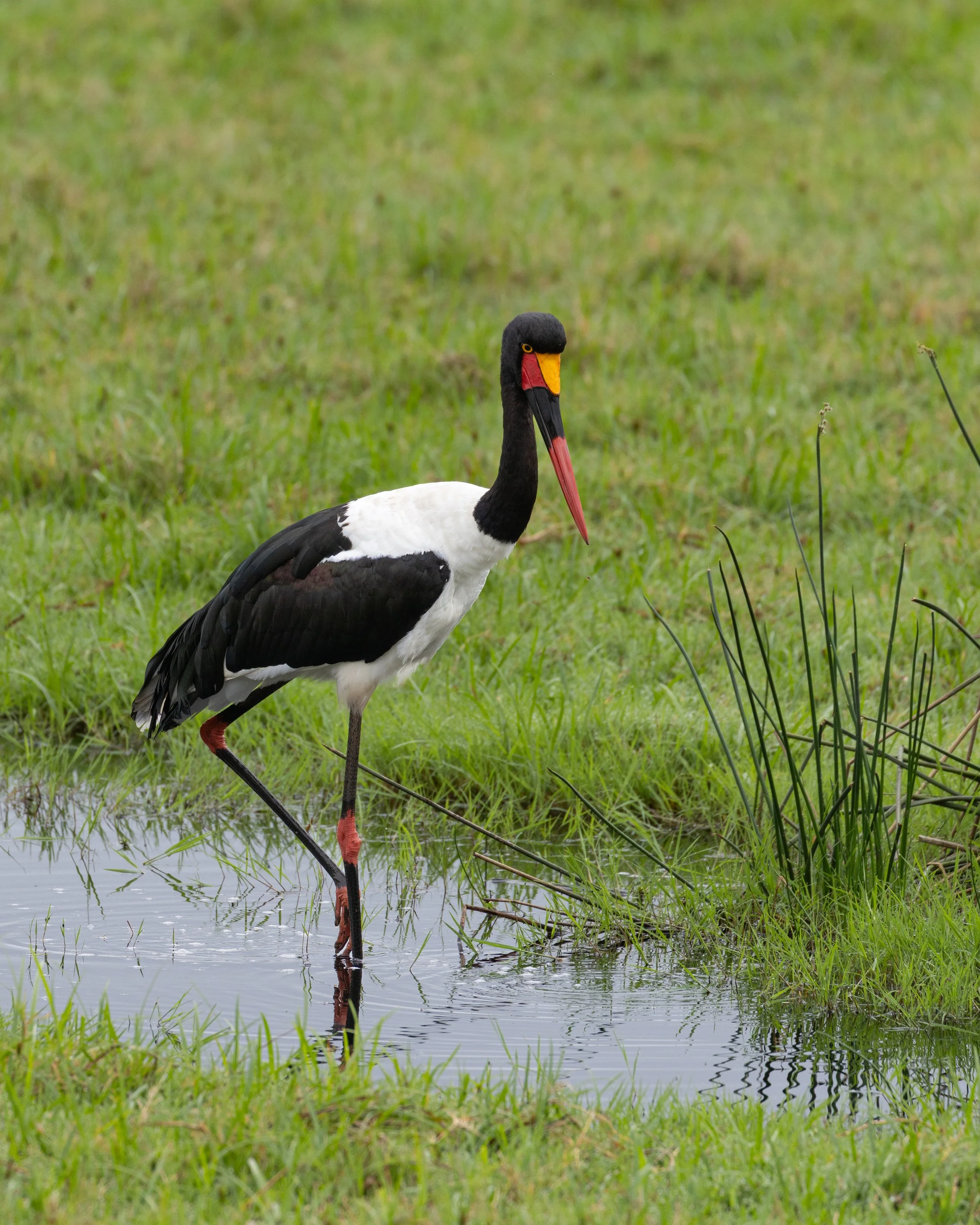
Saddle-billed Stork fishing in the wetlands
yellow-billed
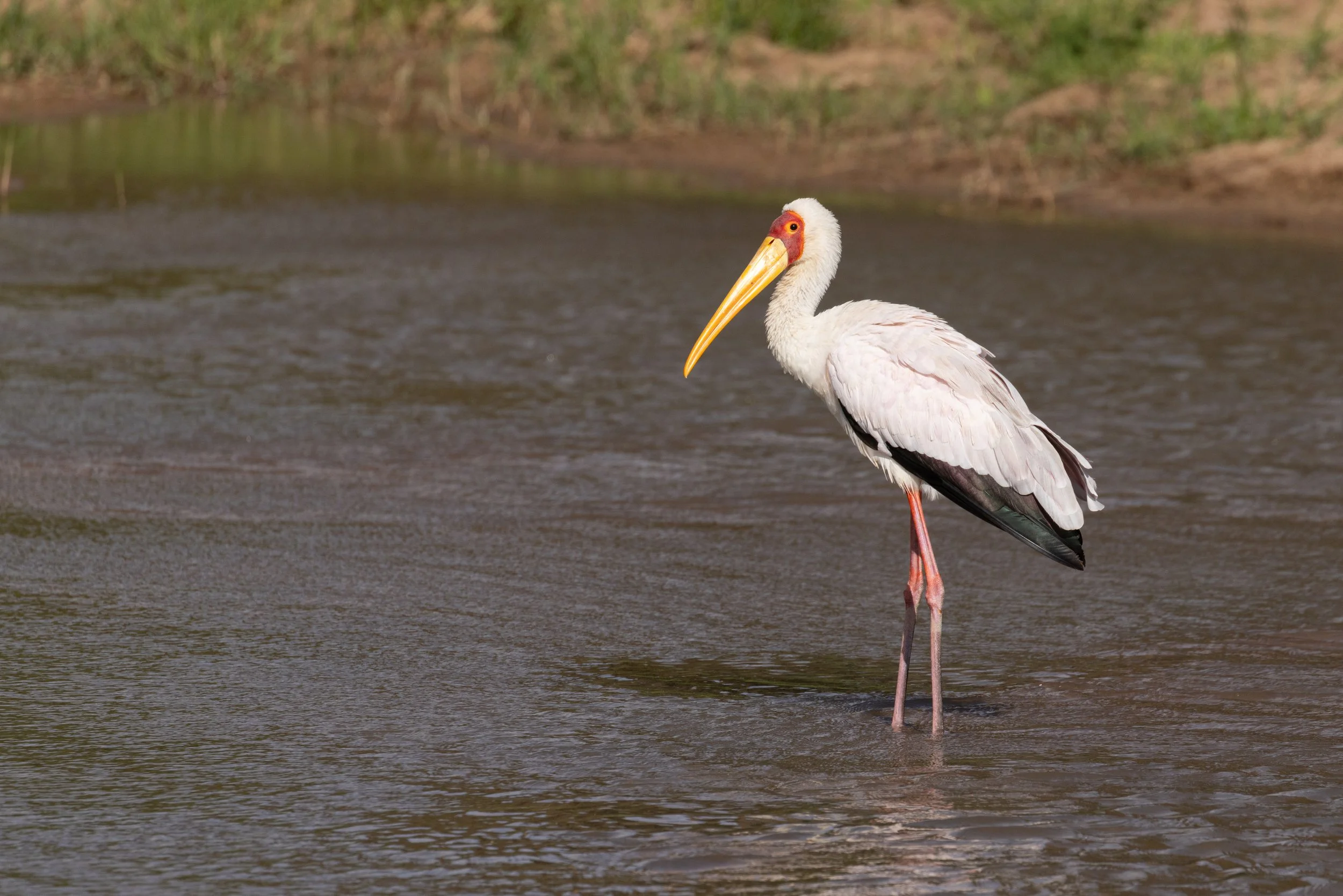
Yellow-billed Stork
Marabou
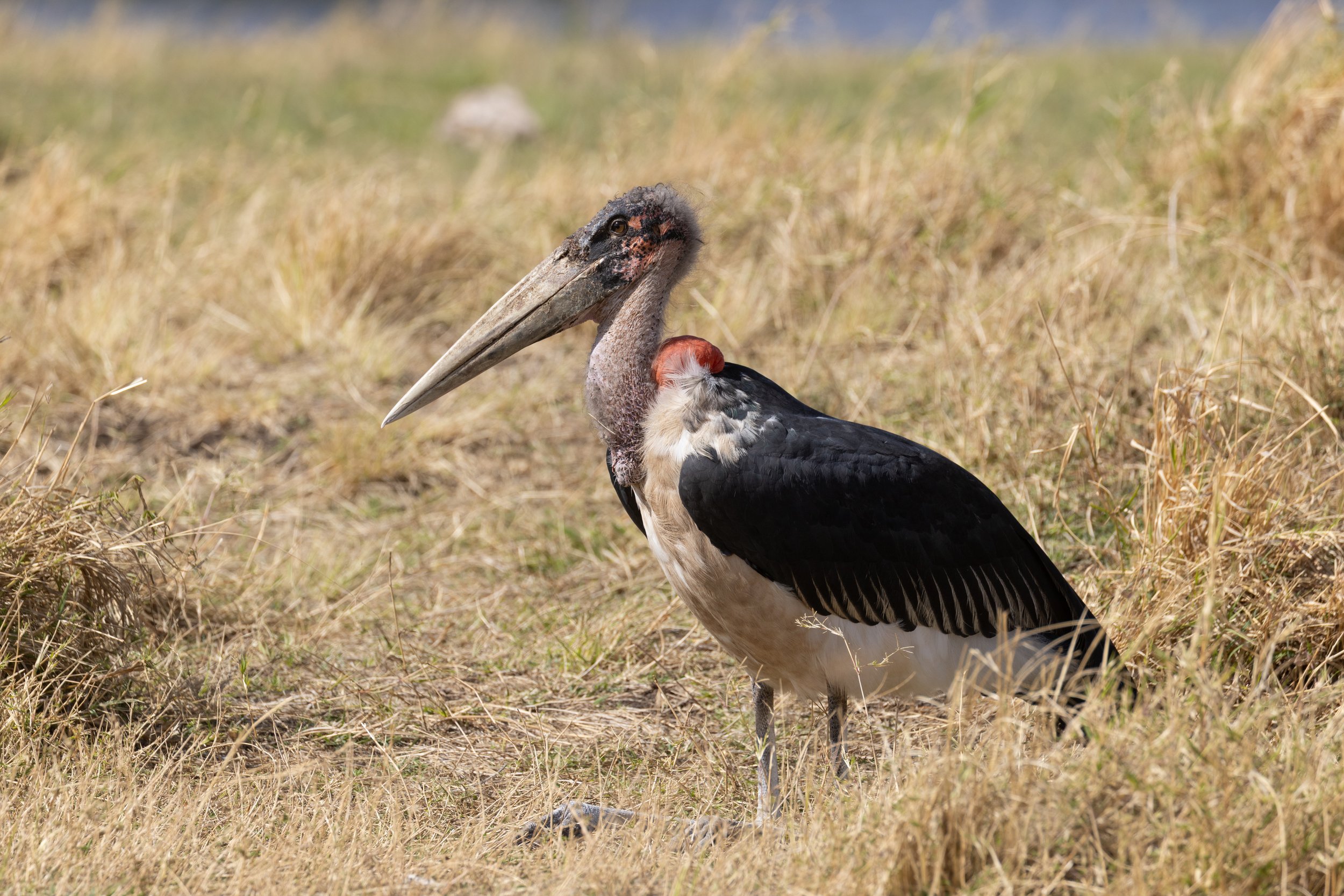
Marabou Stork
Bustards
Our first view of a bustard was the Kori bustard which our guide referred to as Slow walker. They did tend to live up to this name which made it fairly easy to get shots. The two other types we found in the Ngorongoro crater looked different but also seemed to just slowly wander around looking for food.
White bellied
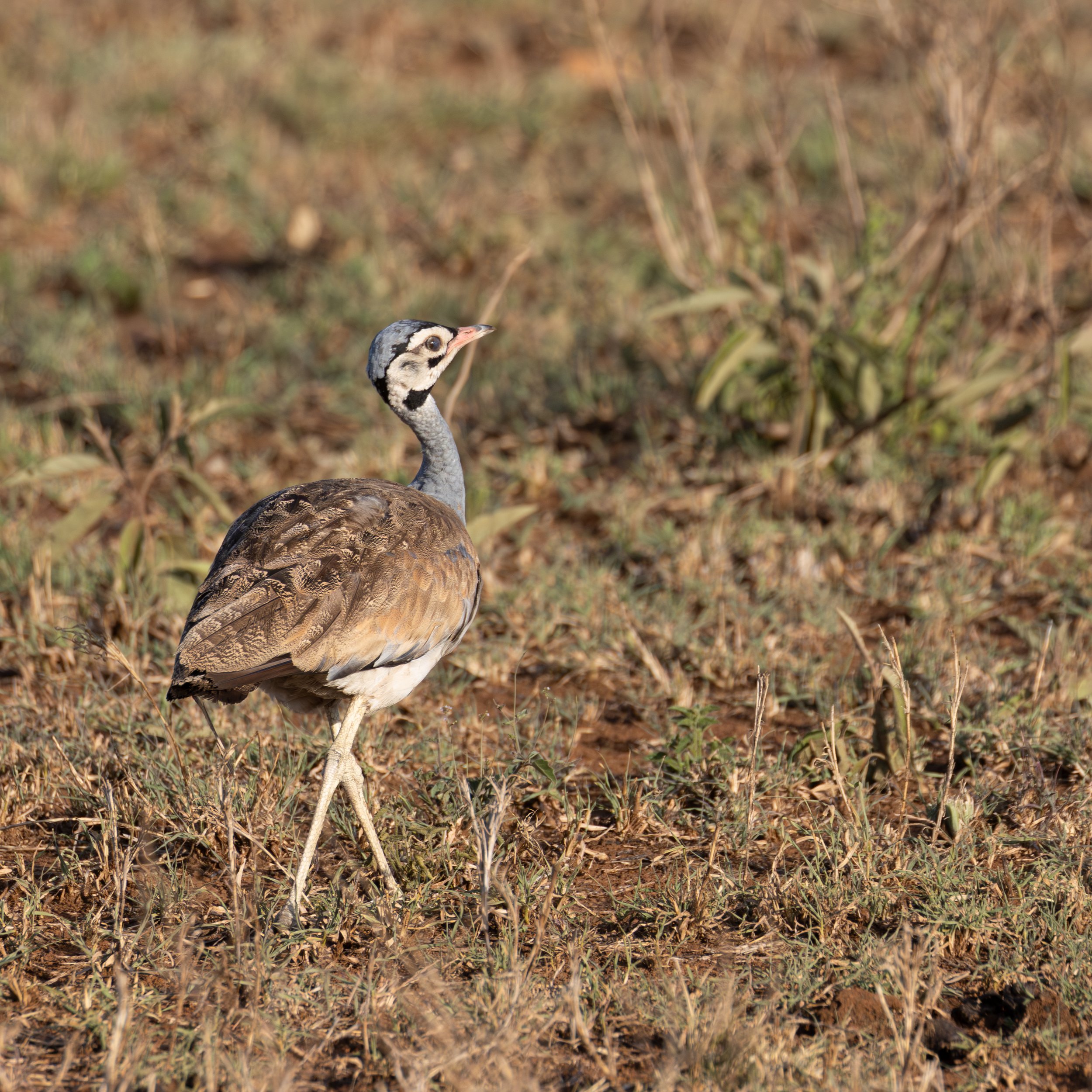
White-bellied bustard
black bellied
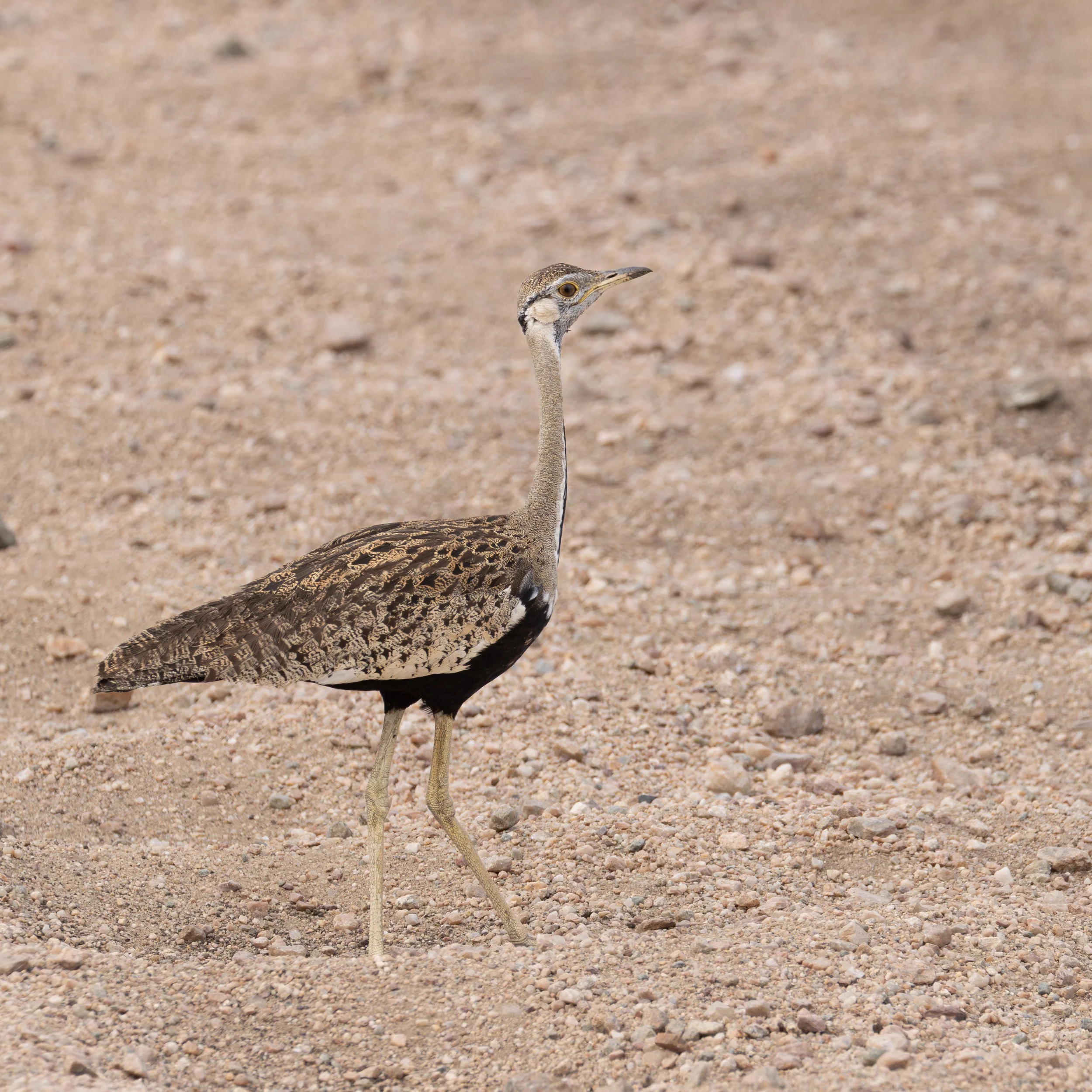
Black-bellied bustard
Kori
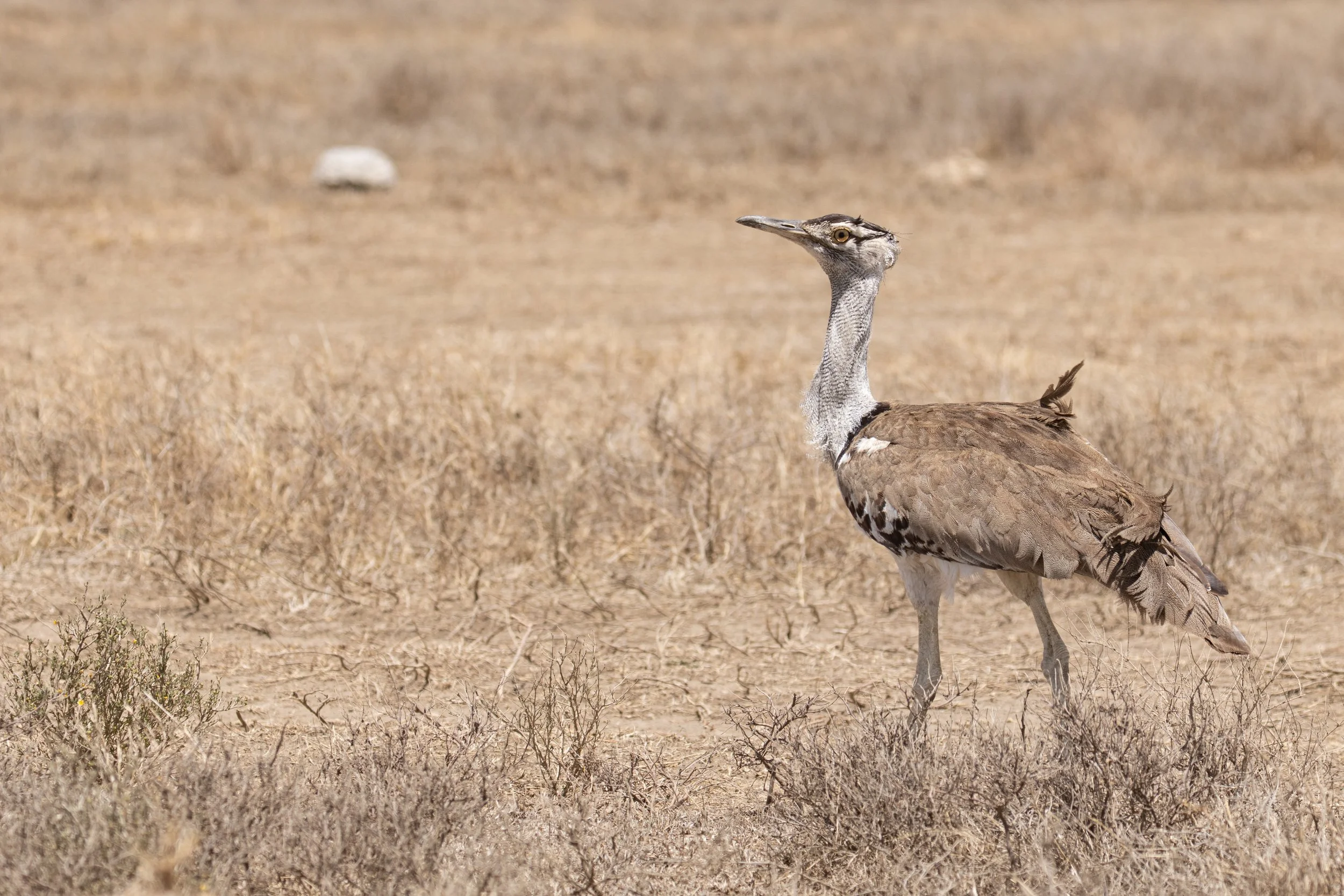
Kori Bustard
Lapwings
Lapwings, named for their zig-zaging flight is a shorebird related to plovers. There are around 25 species of Lapwing three of which we were able to see in Tanzania.
Spur-winged
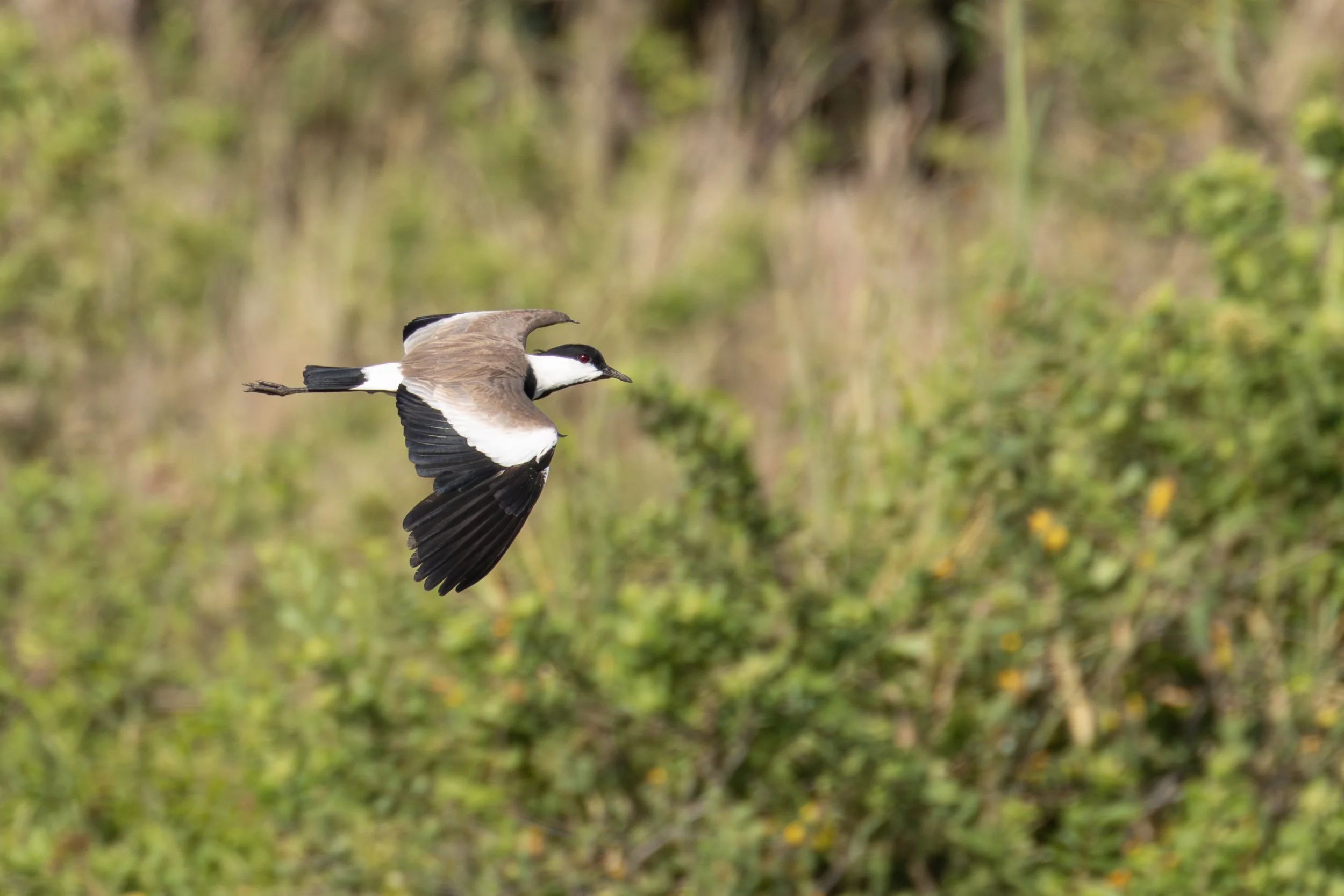
Spur-winged Lapwing
Blacksmith
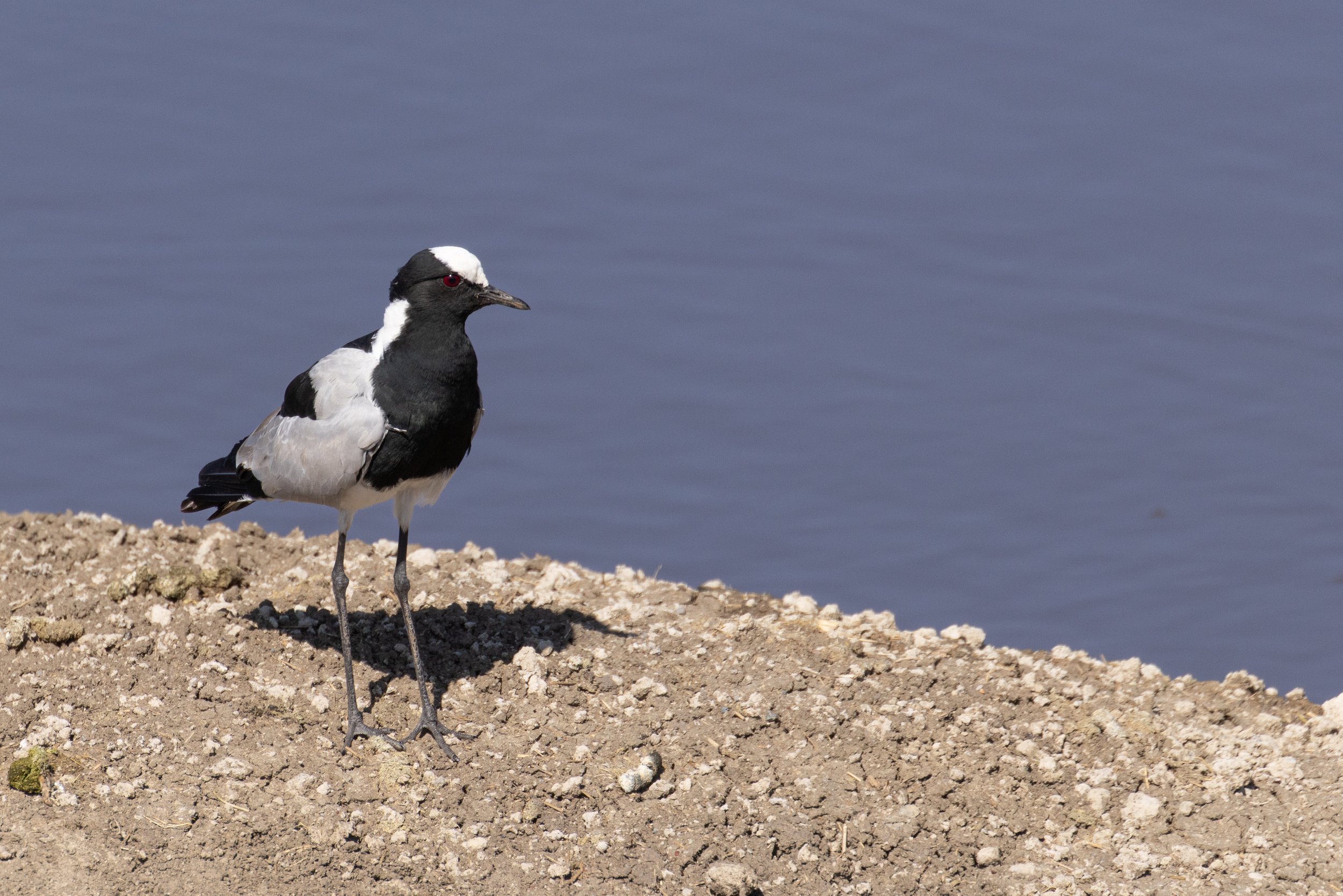
Blacksmith Lapwing
black-winged
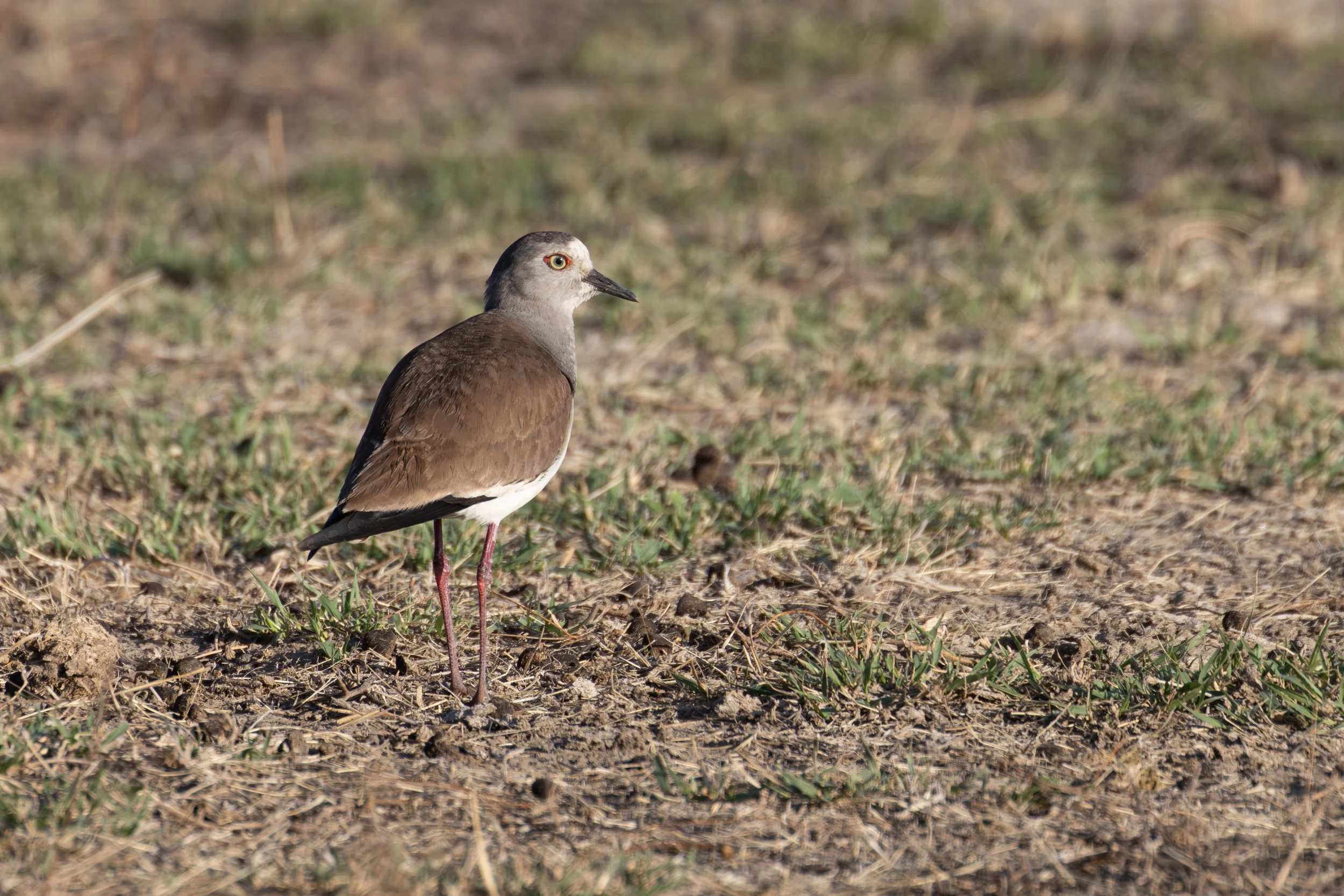
Black-winged Lapwing
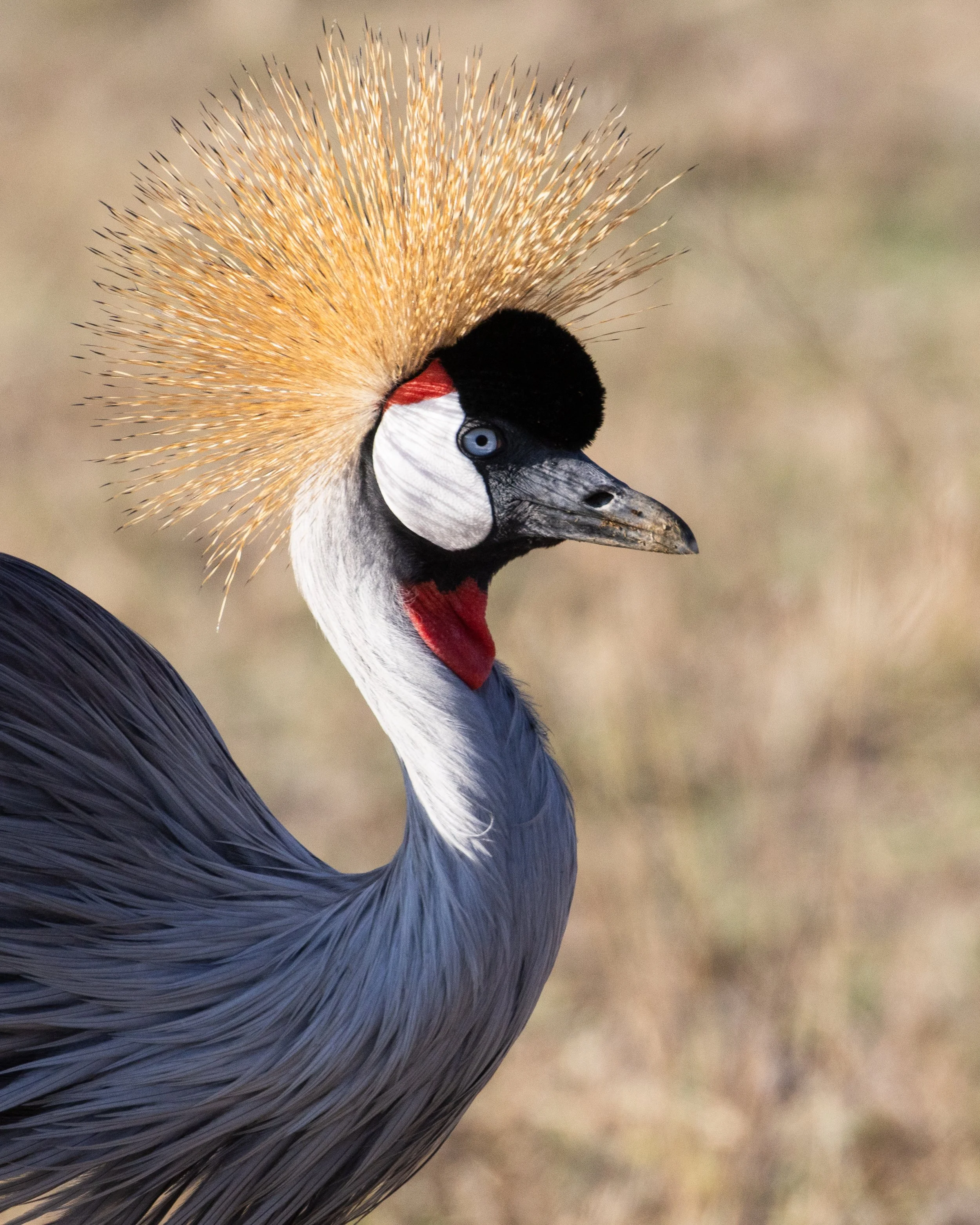
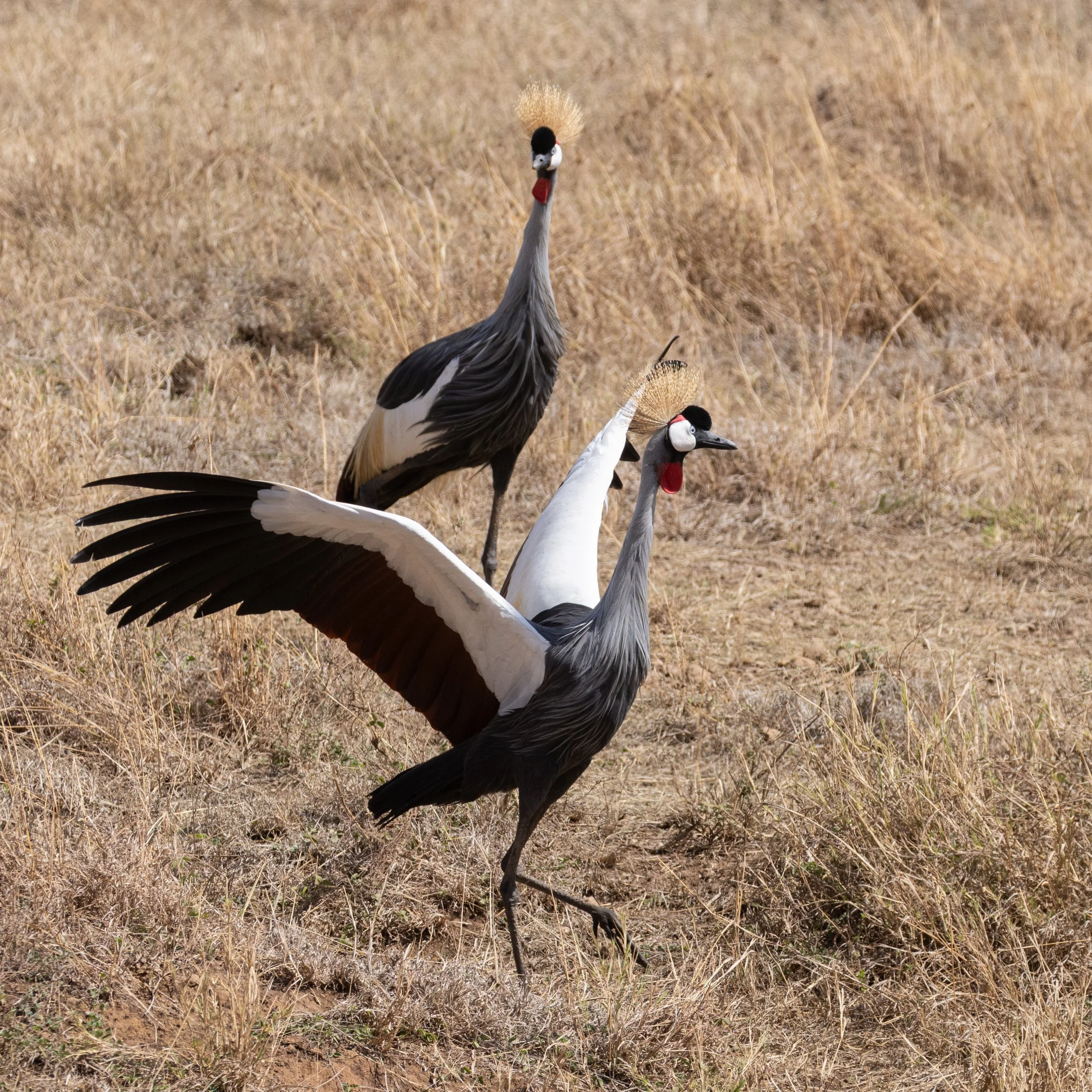
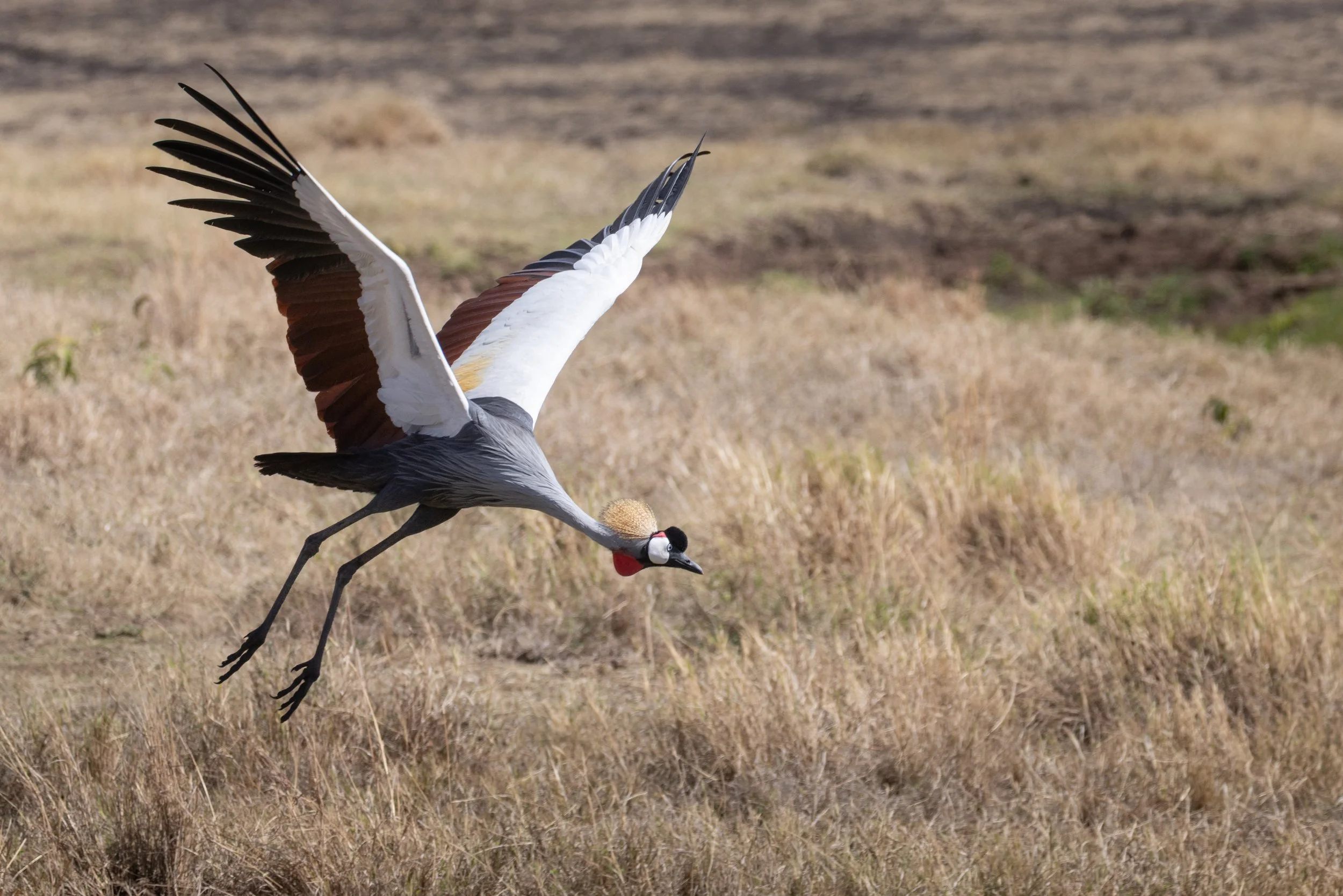
Grey Crowned Crane
One of the most striking birds hanging out in the grasses was the Grey Crowned Crane, a very colourful bird with a name that doesn't really suggest how interesting it is.
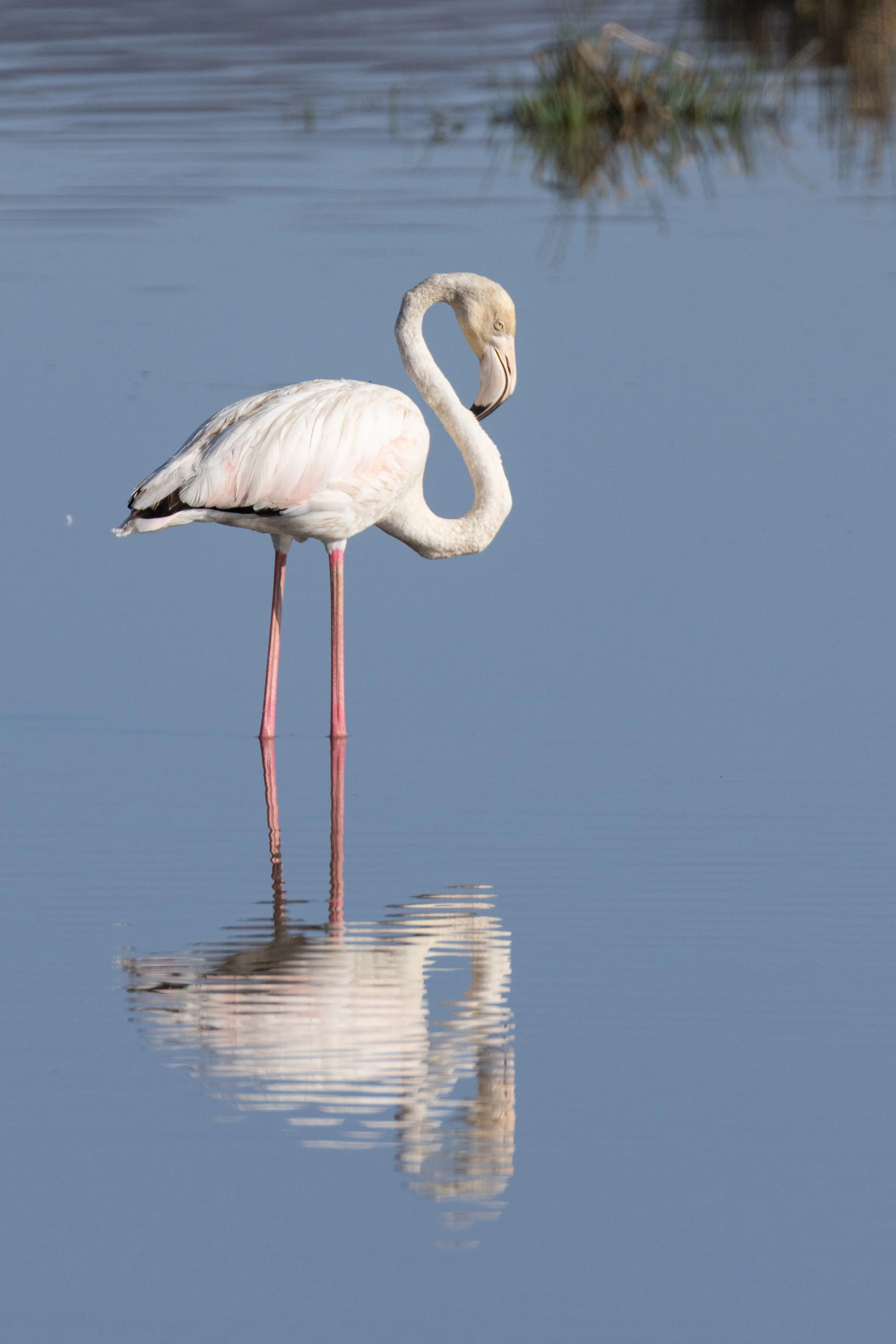
flamingos
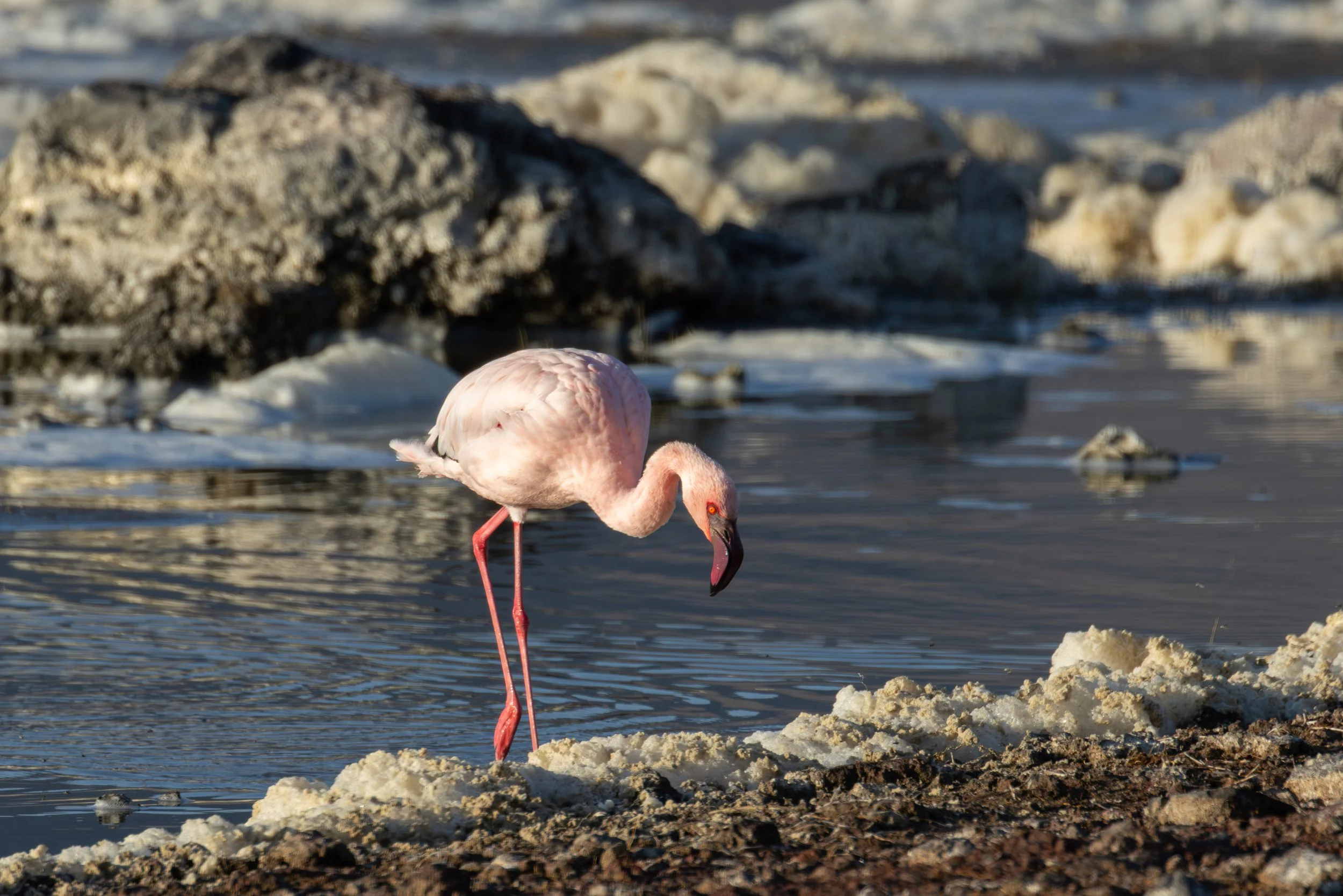
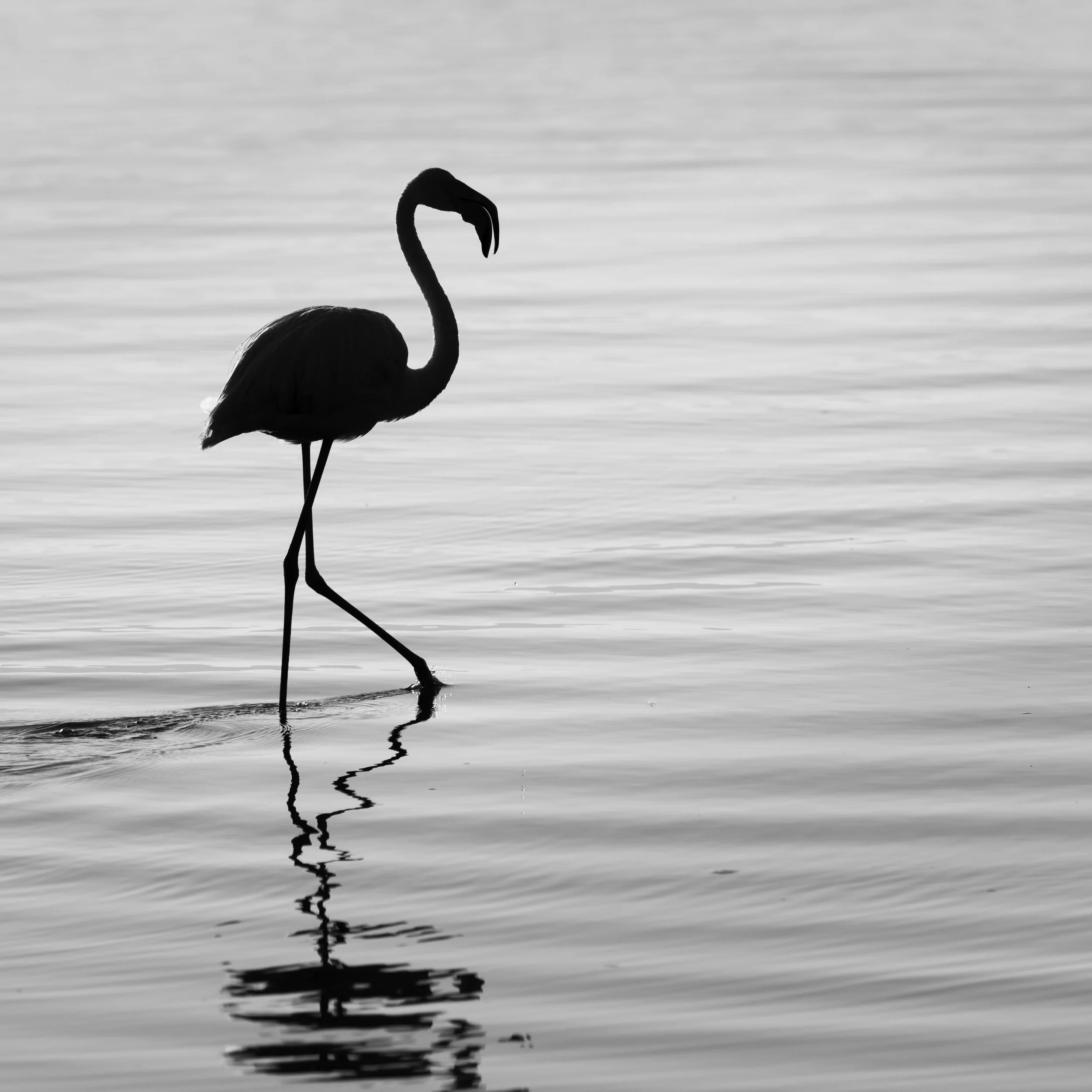
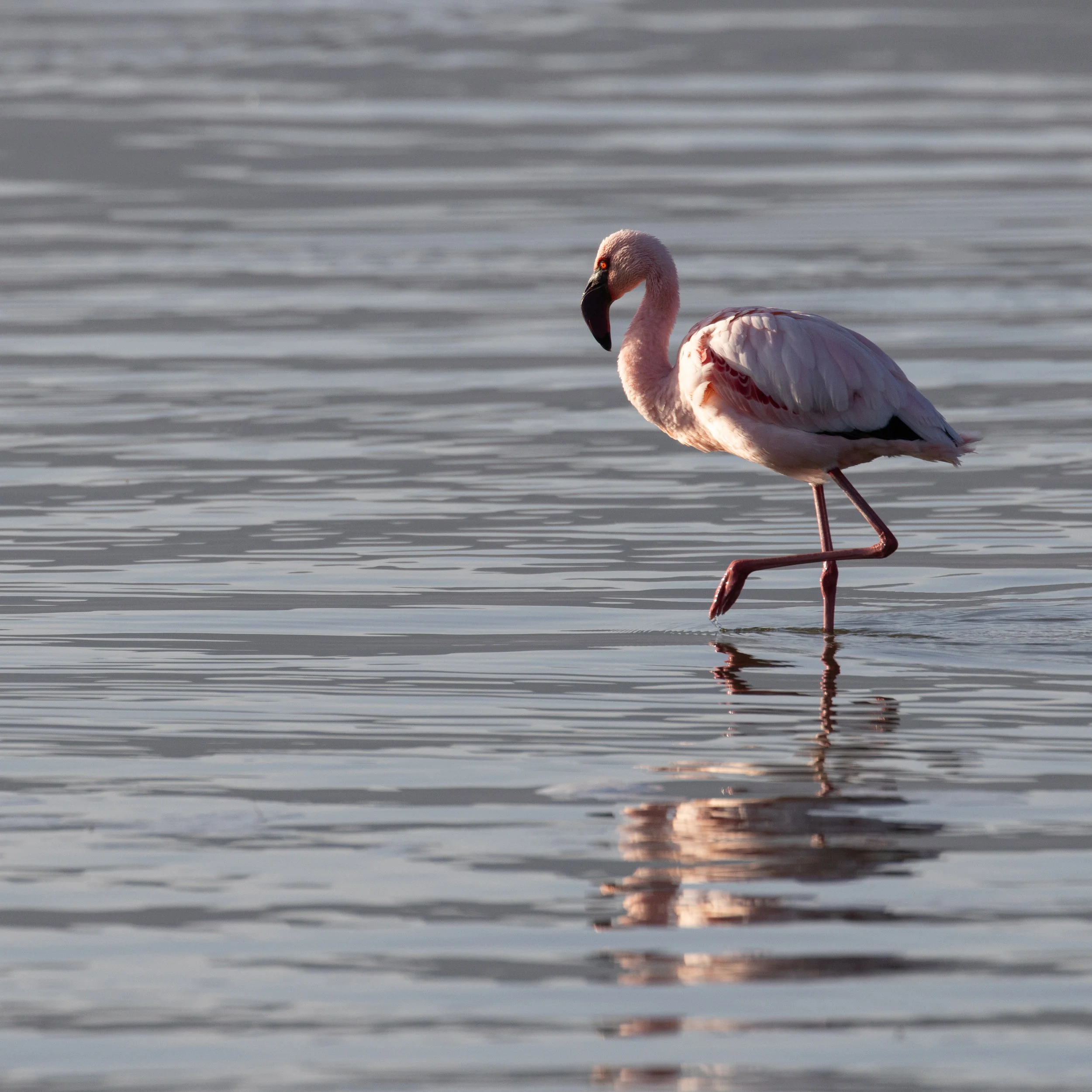
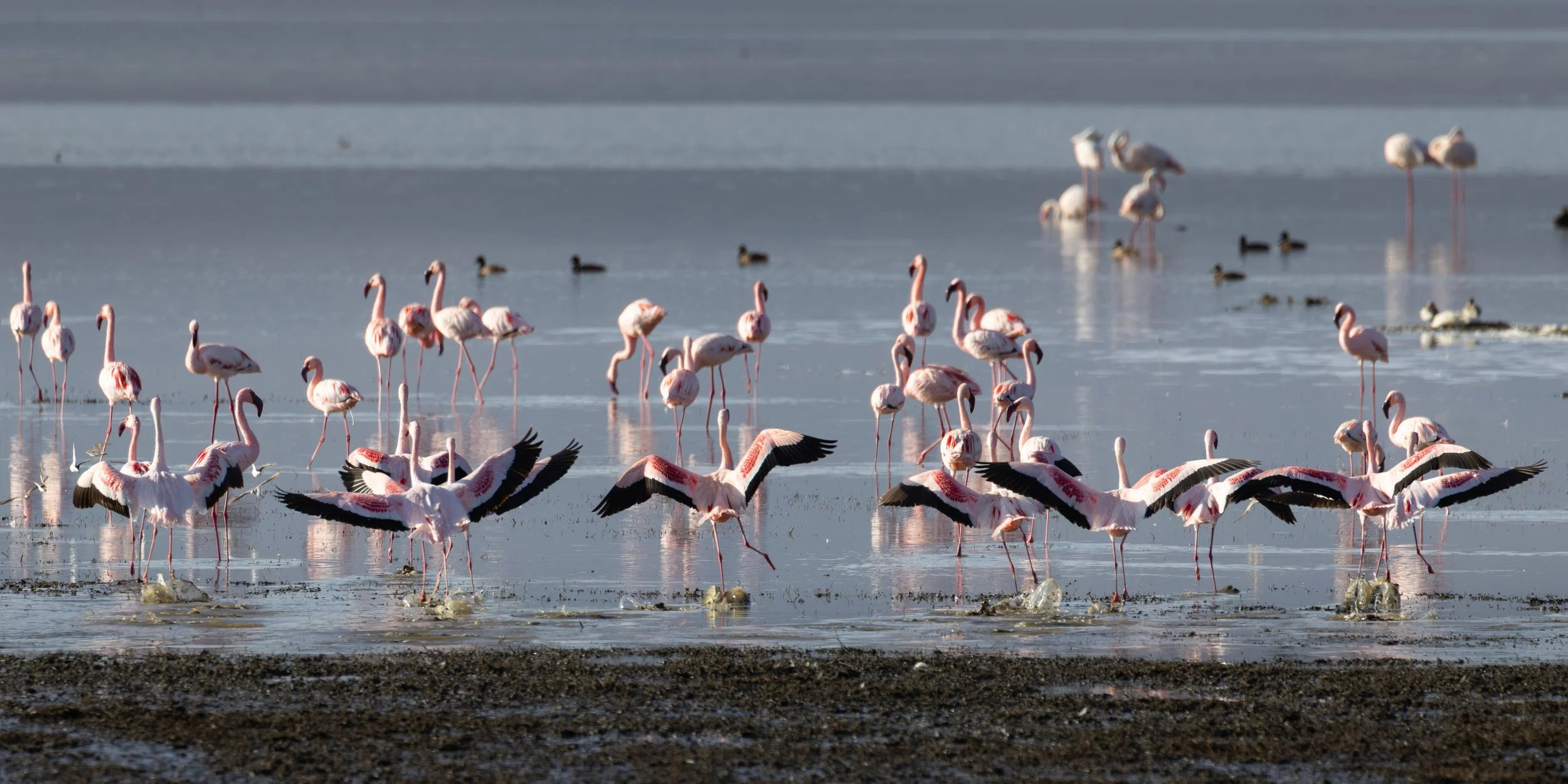
A large wading bird that is a filter feeder usually of brine shrimp where they get their distinctive pink colour from the carotenoids from the algae the brine shrimp eat. We found Flamingos in a number of shallow lake edges in Tasmania with the best views in the Ngorongoro crater.
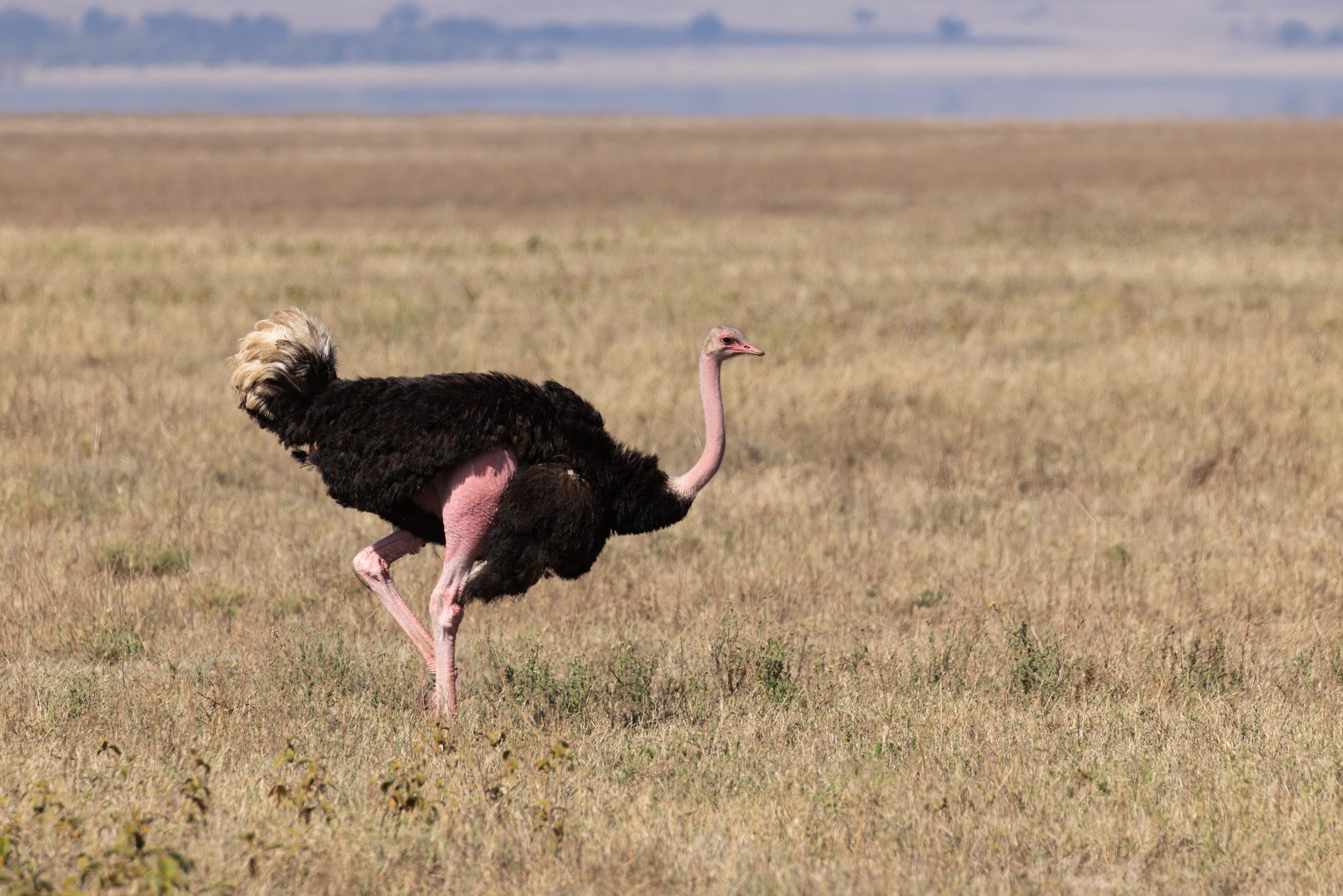
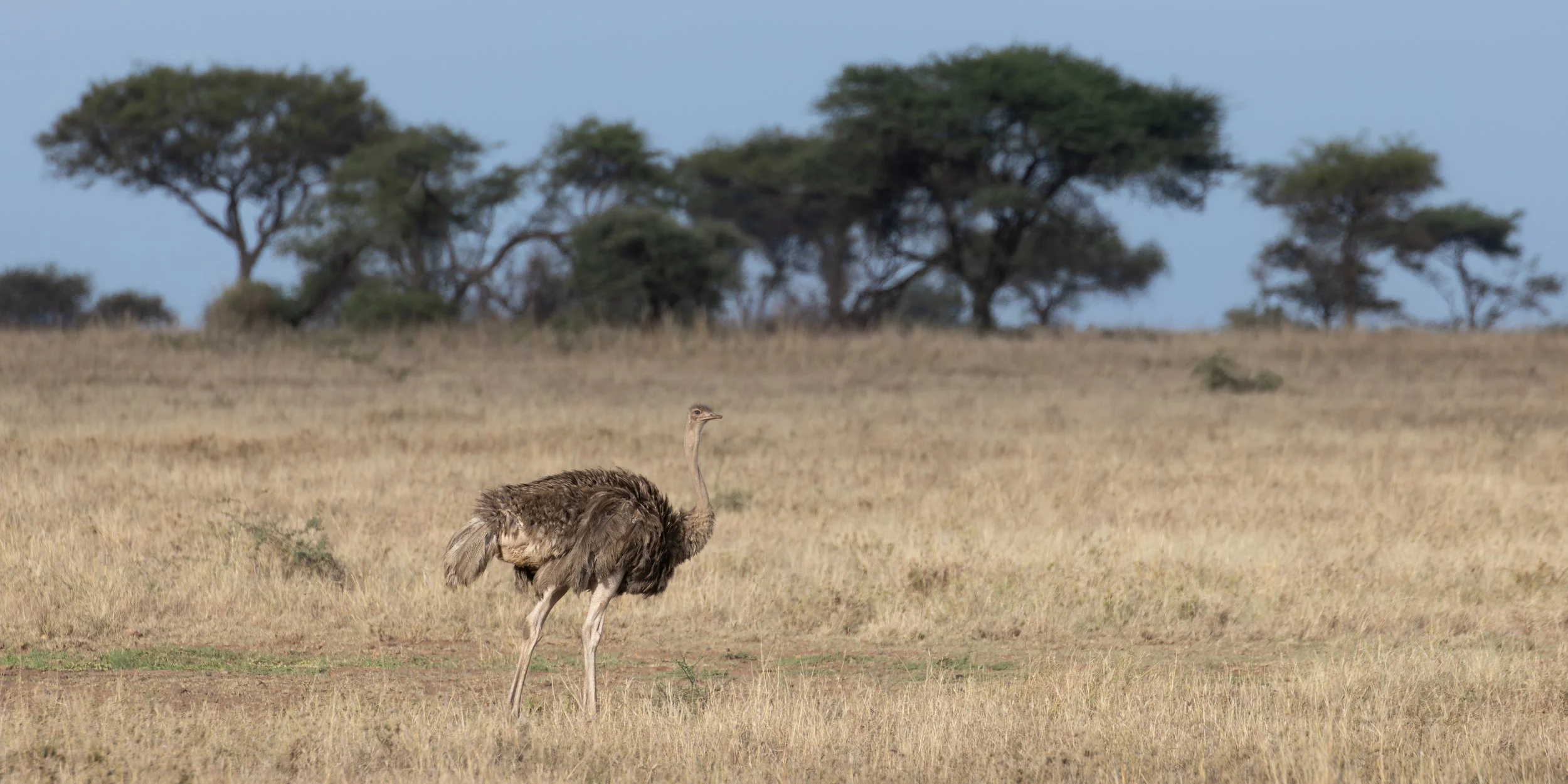
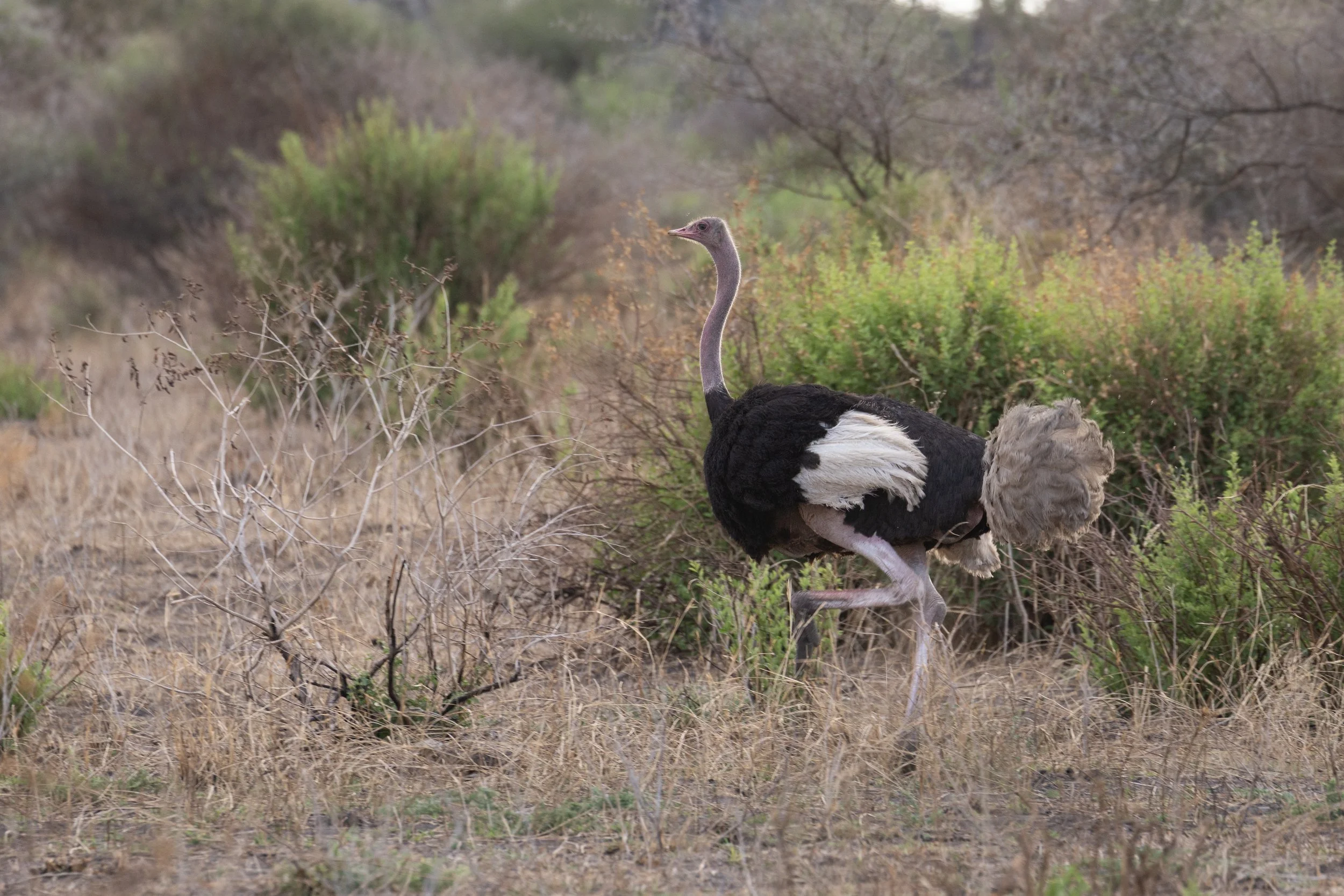
Ostriches
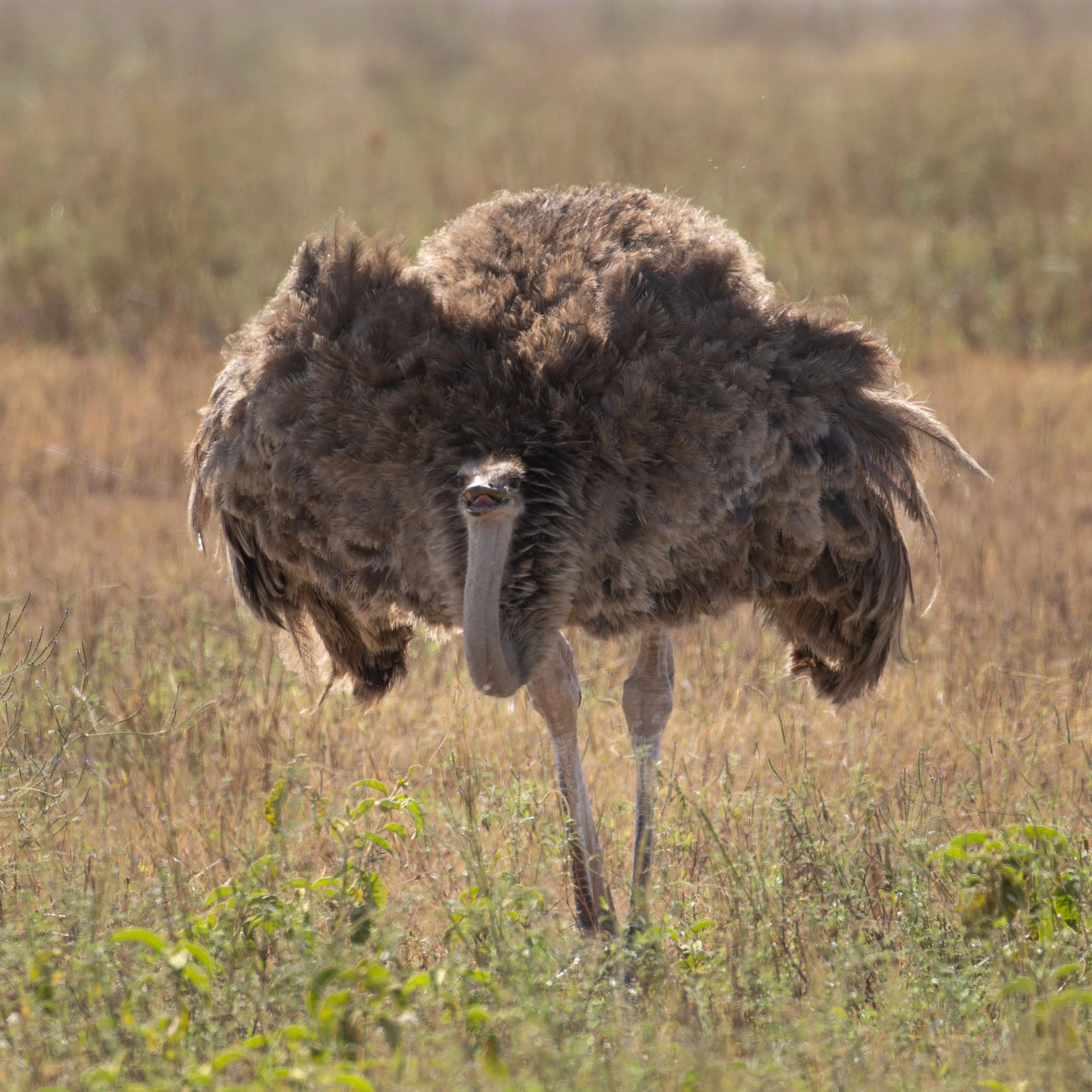
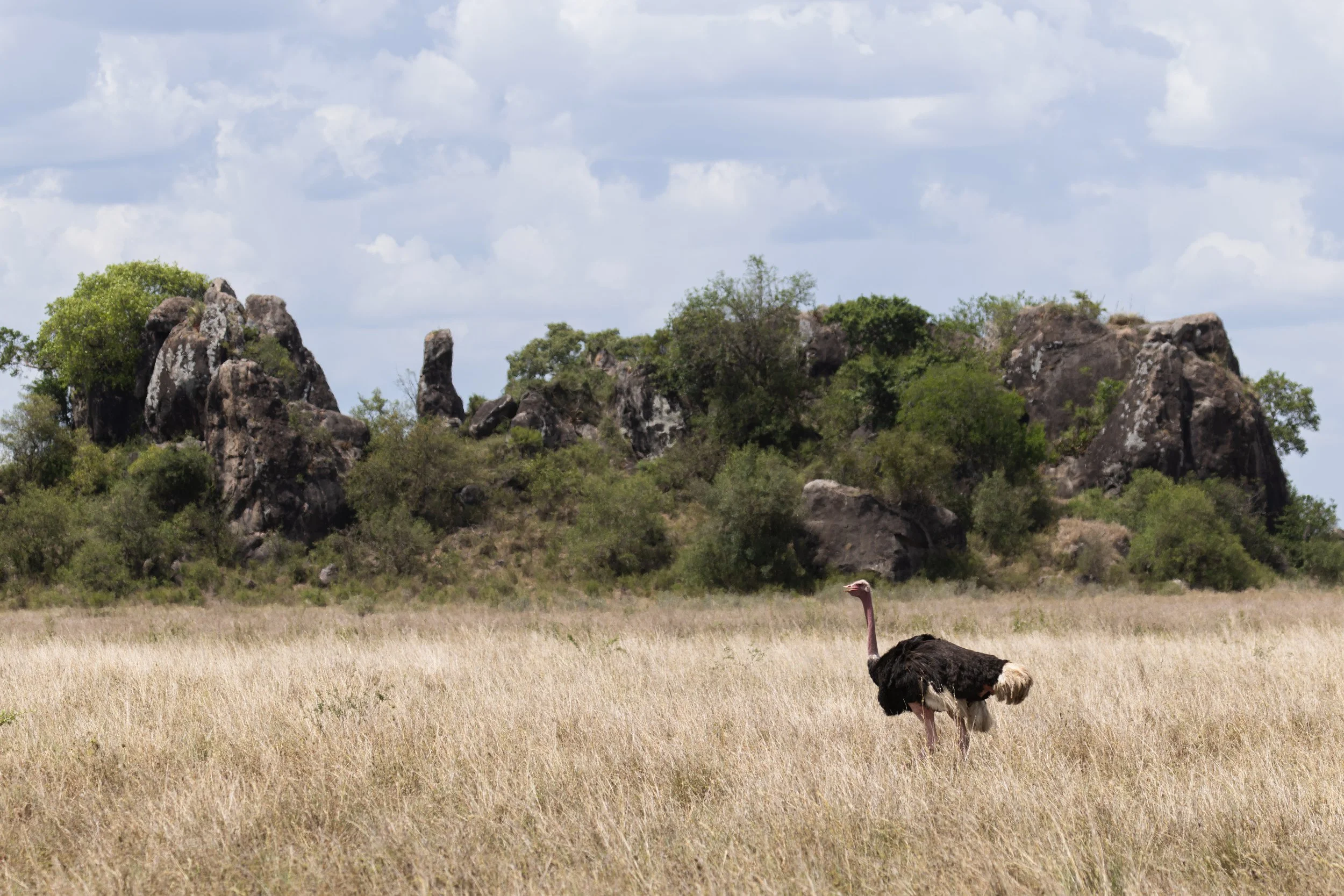
Probably the most iconic flightless bird, Ostriches were amazing to watch out on the plains of the Serengeti. Largest of all birds, they can run up to 70 km/h. Would love to have seen some of the young ones but not this time.
Others
lilac breasted roller
Beautiful colours on display, the Lilac breasted roller is not dimorphic with both sexes having the same colouration. Usually found alone or in pairs, it perches at the tops of trees, poles or other high vantage points from where it can spot insects, amphibians and small birds moving about on the ground. This makes it fairly easy to find and photograph.
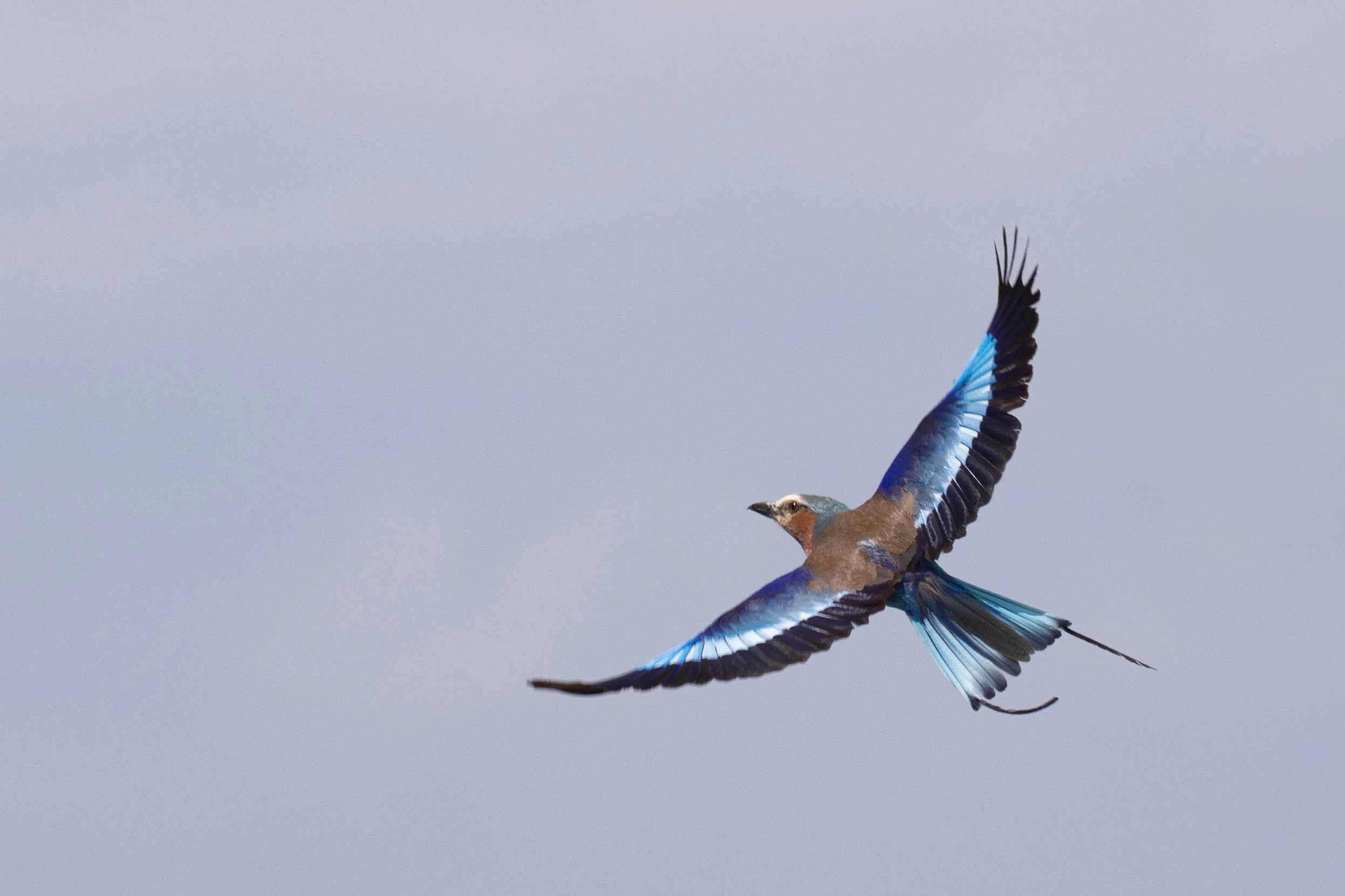
Lilac-breasted Roller
bronze sunbird
As you might expect from the beak on the Bronze sunbird it is a nectar feeder but it also feeds on small bugs. We were pretty lucky to see this bird as it tends to stay away from populated areas.
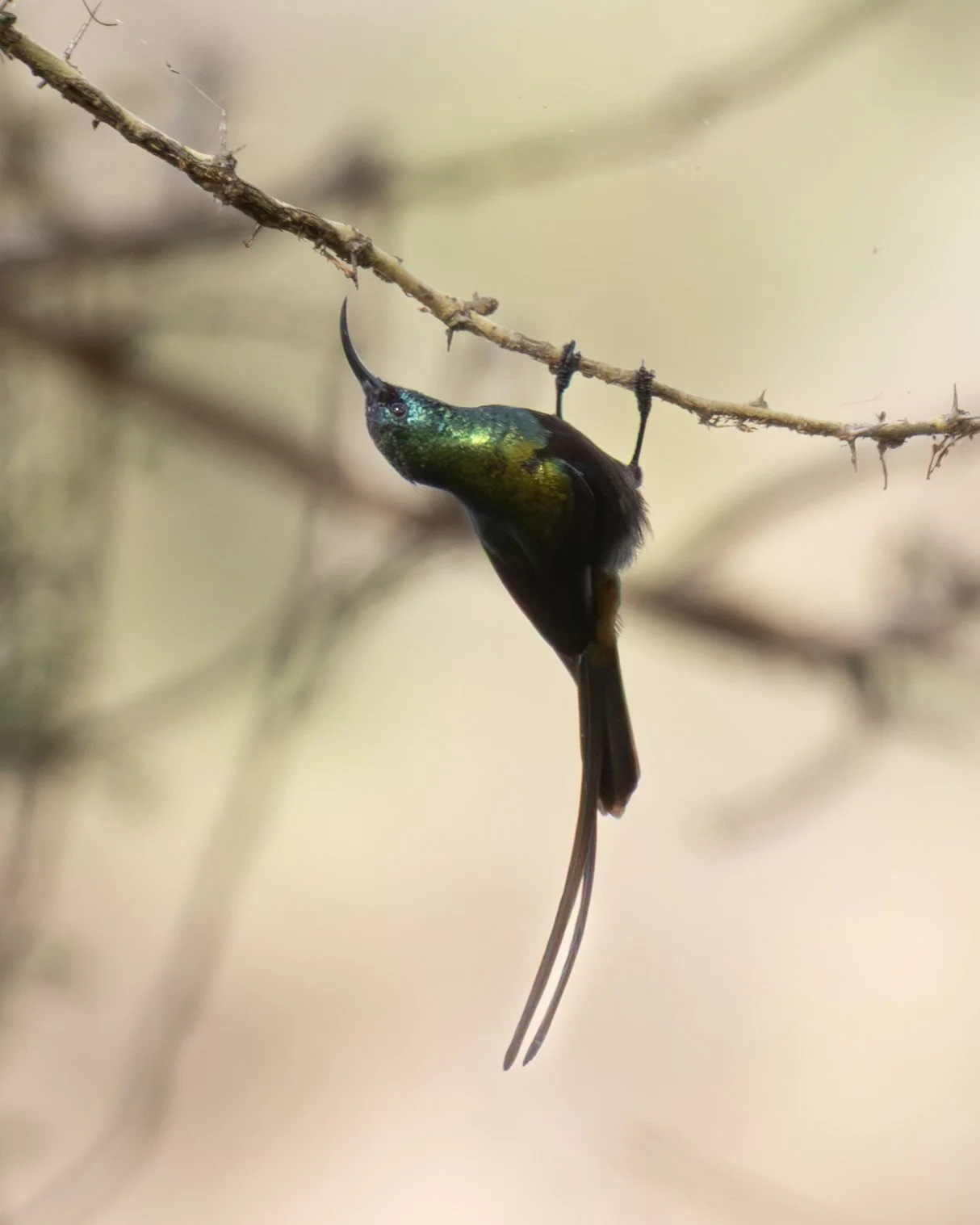
Bronze Sunbird hanging from a branch
Red-cheeked Cordon-bleu
This uniquely coloured bird shows off a turquoise blue chest and face with brown back. The male has the red cheek. Fairly unique to most passerines the Cordon-bleu females sing although not as complex as the males song.
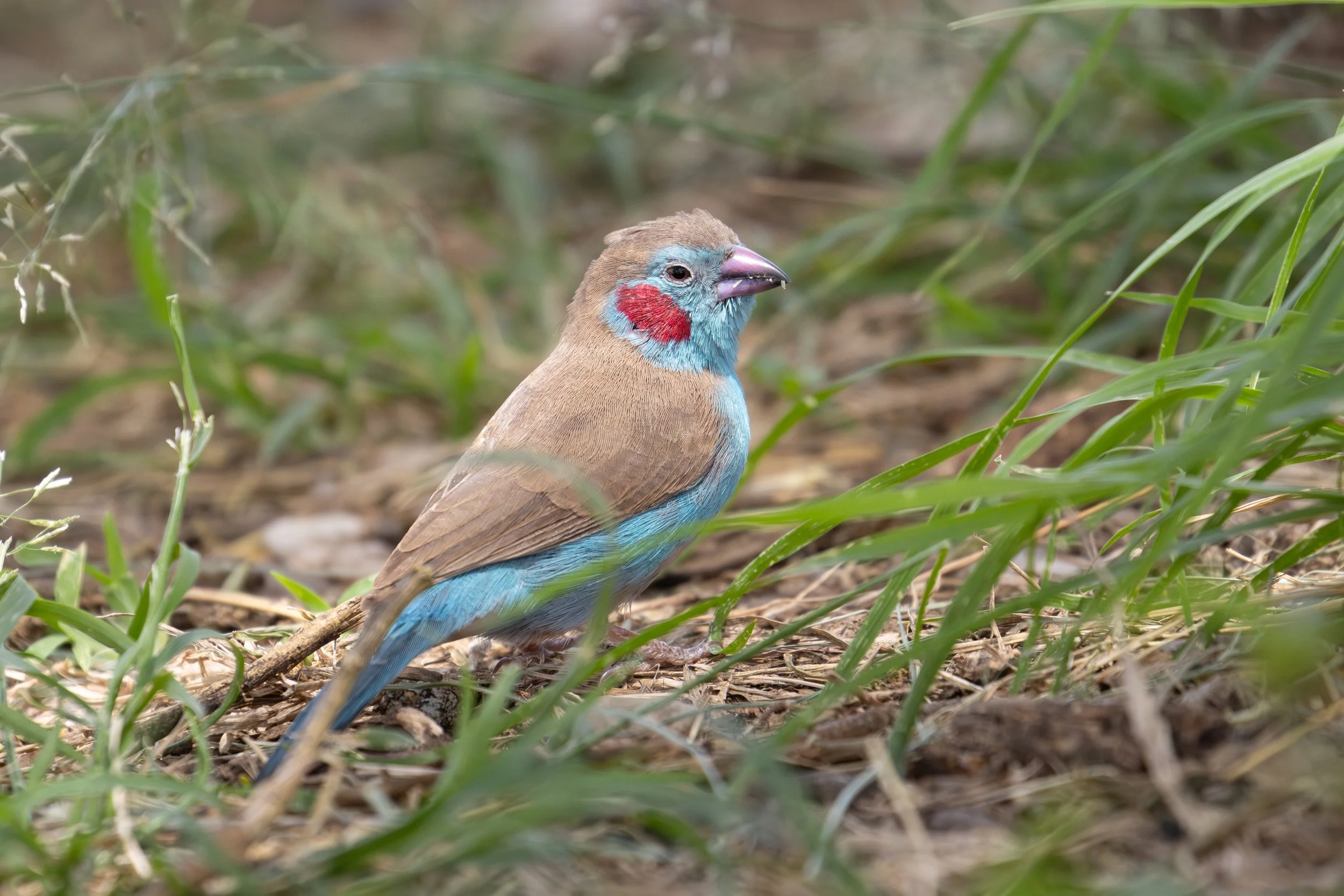
Red-cheeked Cordon Bleu
D'Arnaud's barbet
A colourful barbet with a yellow face and breast that are speckled with black, and a red undertail. Barbets get their name from the bristles which fringe their heavy bills.
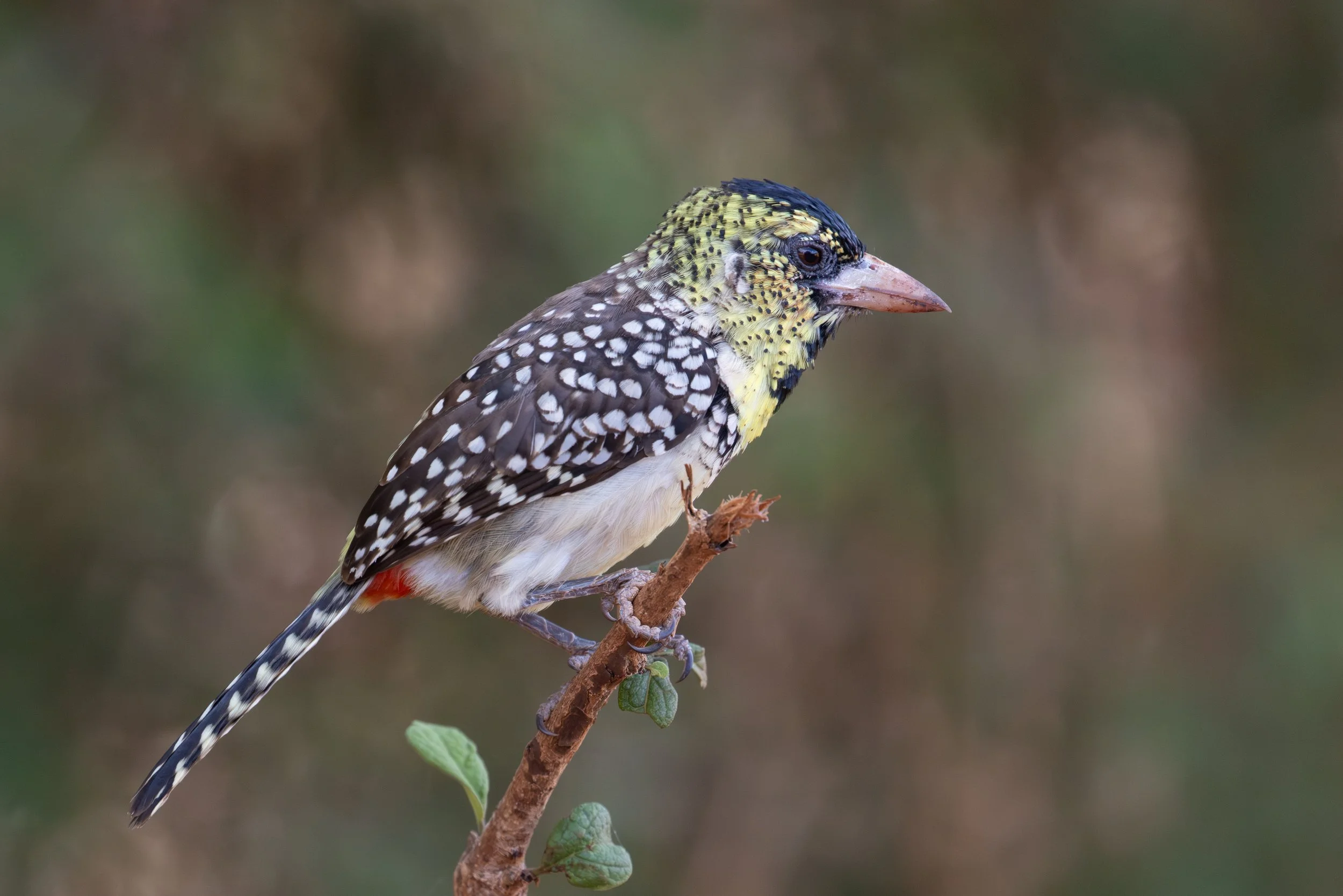
D’Arnaud’s Barbet
superb starling
A beautiful but very common bird similar in size to the European starling that is very common in North America now. At the beginning of our trip we couldn’t help but take pictures of this pretty bird but they were so common in many parts of Tanzania they seemed a bit like pests.
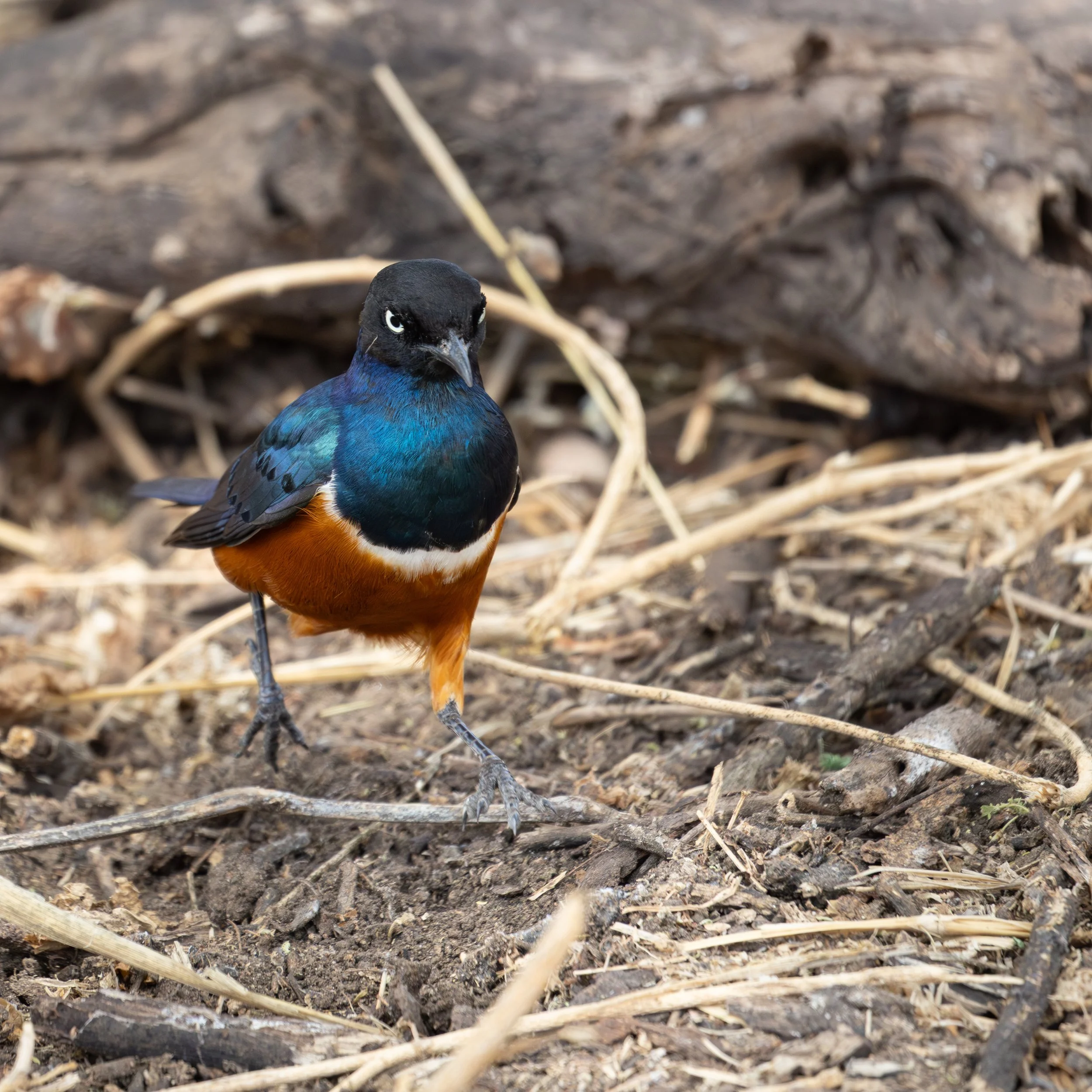
Superb Starling
violet backed starling
Another fairly common but beautiful bird, the violet backed starling tends to stick to the trees of Sub-Saharan Africa. Unlike the Superb Starling, they are highly dimorphic (females do not have the same colouration as the males).
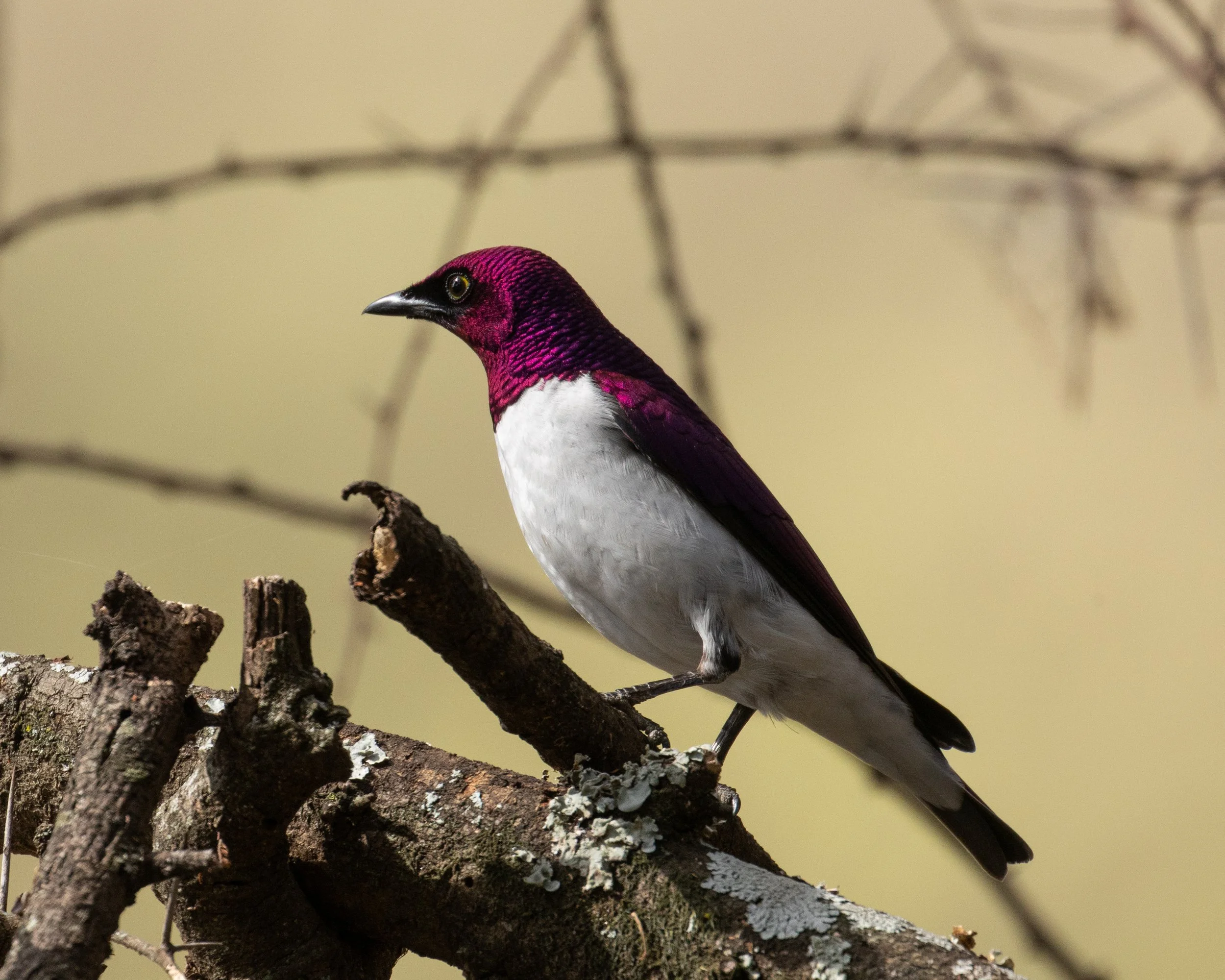
Violet-backed Starling
speckled mousebird
Largest and most common of the Mousebirds, they have fluffy hair-like feathering, brown crests, and long tails that measure over half the size of their bodies. This was the first bird we saw after waking up for the first time in Tanzania.
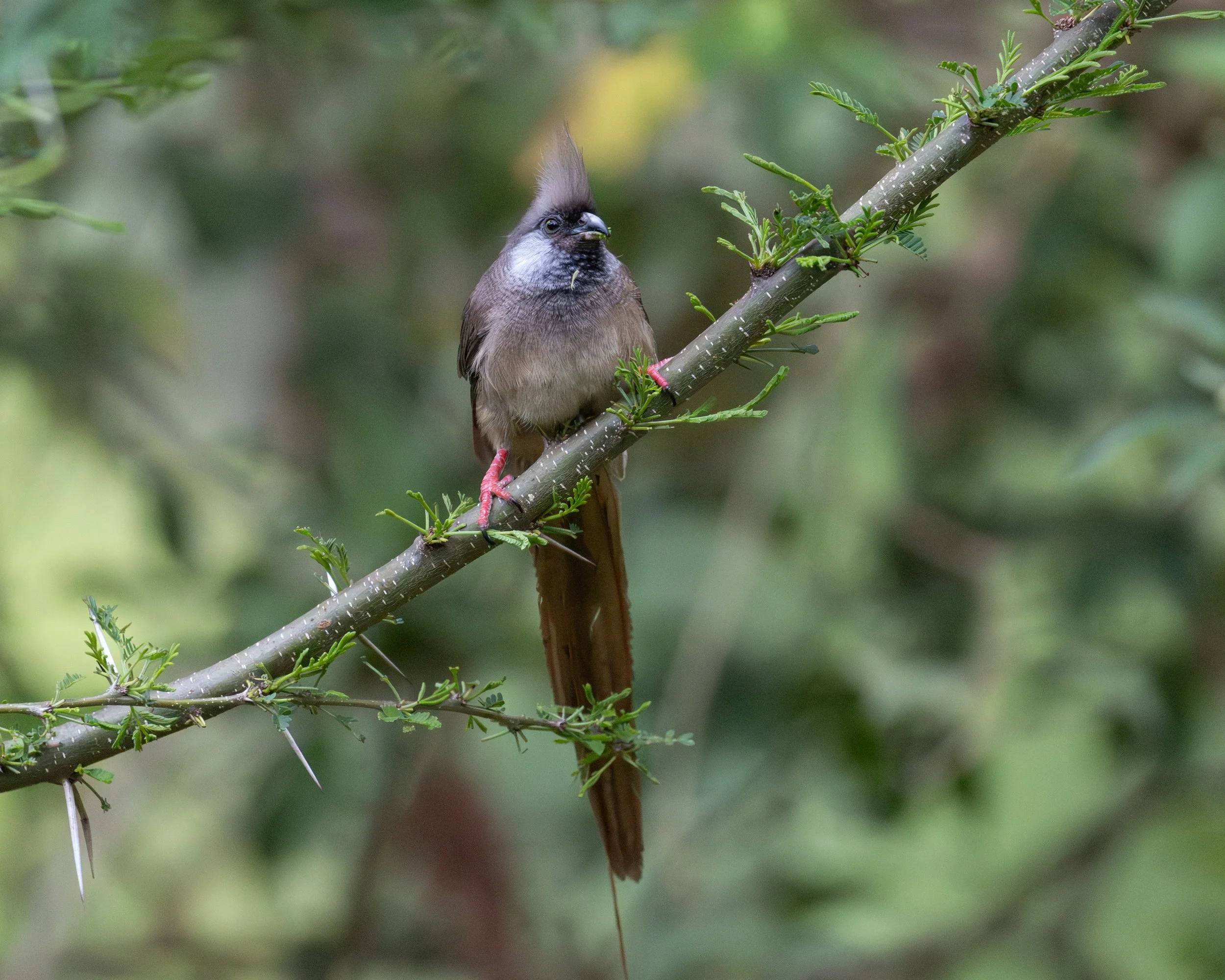
Speckled Mousebird
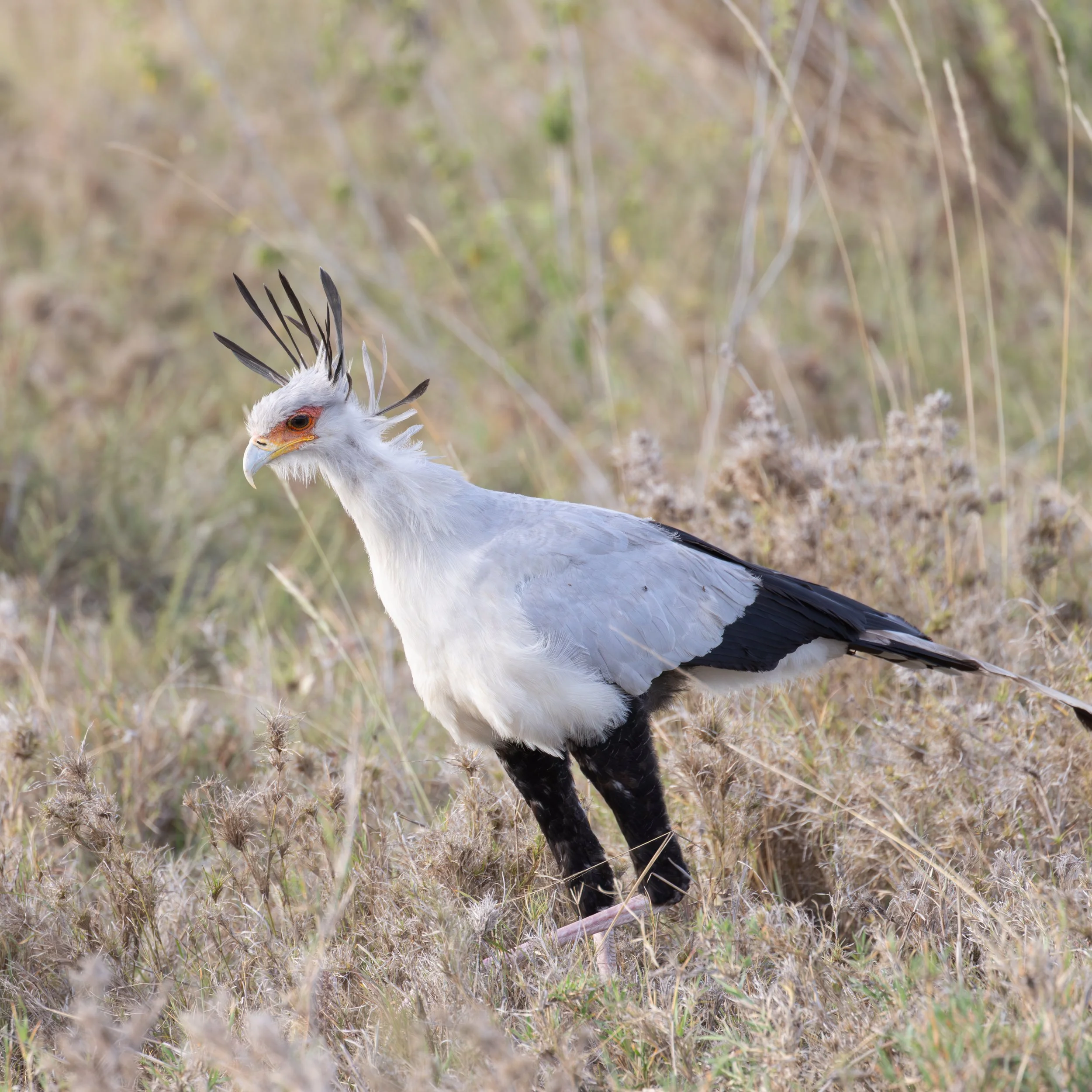
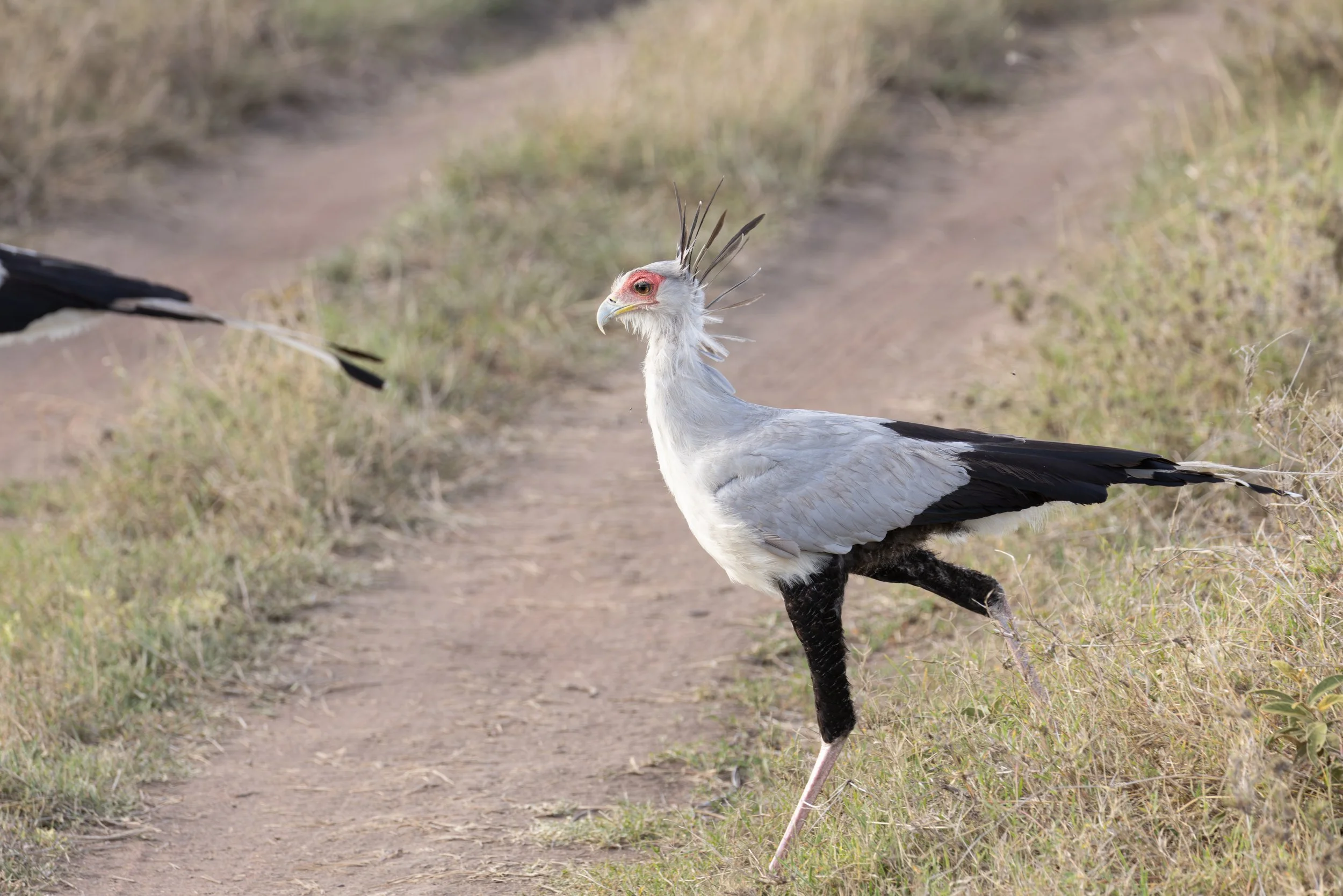
secretary birds
Another large bird in the Serengeti they are the tallest raptors standing up to 5 feet tall and have wingspans of nearly 7 feet. These birds hunt exclusively on the ground and are great snake hunters.
oxpeckers
Watching the behaviour of Oxpeckers on different animals is fascinating. They seem to both help and bother the buffalo and giraffe that we saw them hanging around. Their Kiswahili name askari wa kifaru, means “the rhino’s guard” are said to warn animals of predators with their calls. There are two types of Oxpeckers, a red-billed and a yellow-billed mostly seem to live in the same areas. I seem to have pictures of both types but the closest shots are of the red-billed.
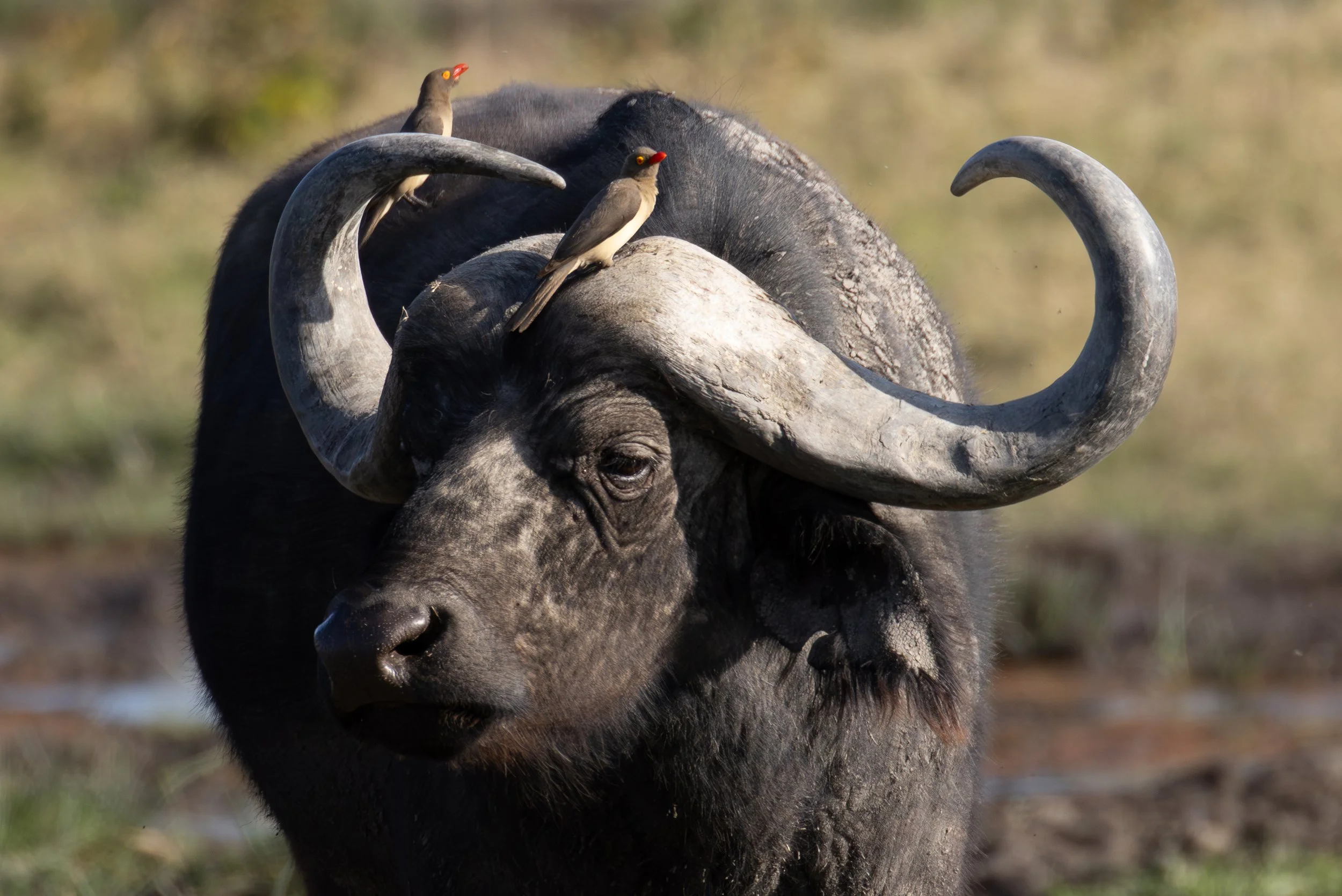
Red billed Oxpeckers on a buffalo
If we ever get back to Africa I think I will bring a slightly longer lens and maybe spend a bit more time on finding birds. Much like the plethora of animals on the African continent there are so many amazing birds to see and photograph. I’m sure I could spend most of the rest of my life doing photography in Africa and never get bored.