
Photo locations, techniques and technology. Highlights of locations we frequent as well as features on how and why we shoot the way we do, including gear reviews specific to nature photographers.

Telephoto Options for Nature Photography in 2026
I have been talking a lot about the cameras that I was looking to use over the last couple of years. I have some very good lenses for the kinds of photography that I do but lately a bunch of companies have started coming out with a bunch new choices for nature photographers some of which are actually reasonably affordable.
I have been talking a lot about the cameras that I was looking to use over the last couple of years. I have some very good lenses for the kinds of photography that I do but lately a bunch of companies have started coming out with a bunch new choices for nature photographers, some of which are actually reasonably affordable.
We tend to buy lenses to last a lot longer these days than the cameras. I'm currently still using the Canon 100-400 F4.5-5.6 II that I have had since selling the original push-pull version of that lens, and it is very sharp and works well on the R5II with the RF adapter. I also bought a big white prime back a number of years ago. That for many of us is not something that you can afford to do even once but now it is not worth selling to try to get a new one, either for Canon or Sony, so I'm using it on the R5II with the adapter as well.
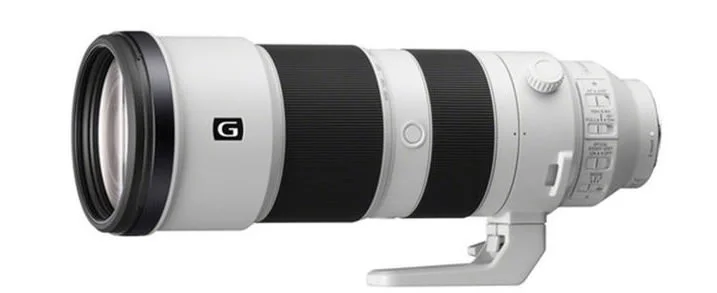
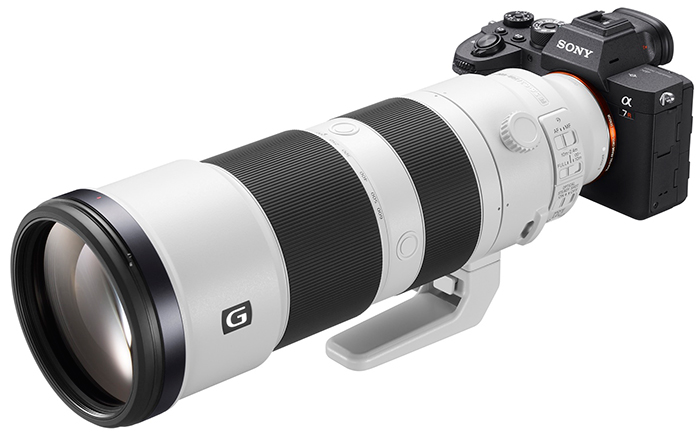
Sony 200-600
Sony
On the Sony side of things I have been using the 200-600 f/5.6-6.3 since that lens came out. It is a solid lens that works well in reasonable light and is sharp enough, but the out of focus portions of the frame can be less than pleasing if the background is close to the subject or very busy. Options for Sony lenses up until recently have been either very expensive or quite cheap otherwise with even the 100-400 f/4.5-5.6 being quite pricey for the range you are getting.
I'm pretty happy with the wide angle options out there, 16-35 is a go-to when I'm doing landscape work but once you get past the ultrawide I am finding that some of the new, not so normal zooms are pretty tempting. The first one that tempted me so much that I picked one up is the Tamron 35-150 mm f/2-2.8. This is a range that for me can get rid of 2 lenses that I used to carry. I really don't need a 24-70 or 24-105 which I used to have in the bag all the time, and I also don't really need a 70-200 since the missing bit at the top of the range is most often covered by my telephoto lens. Sony this year has come out with something similar but, of course, went a bit more specialized with the 50-150mm f/2. I think I could easily use this lens in place of the 35-150 with that added bonus of more light gathering at the telephoto end for the dark days here on the wet coast. This is a spectacular lens but it definitely comes at a large price. Currently going for $4000 USD compared to $1600 USD for the Tamron it is hard to suggest to myself that the benefits are worth 2.5 times the price.
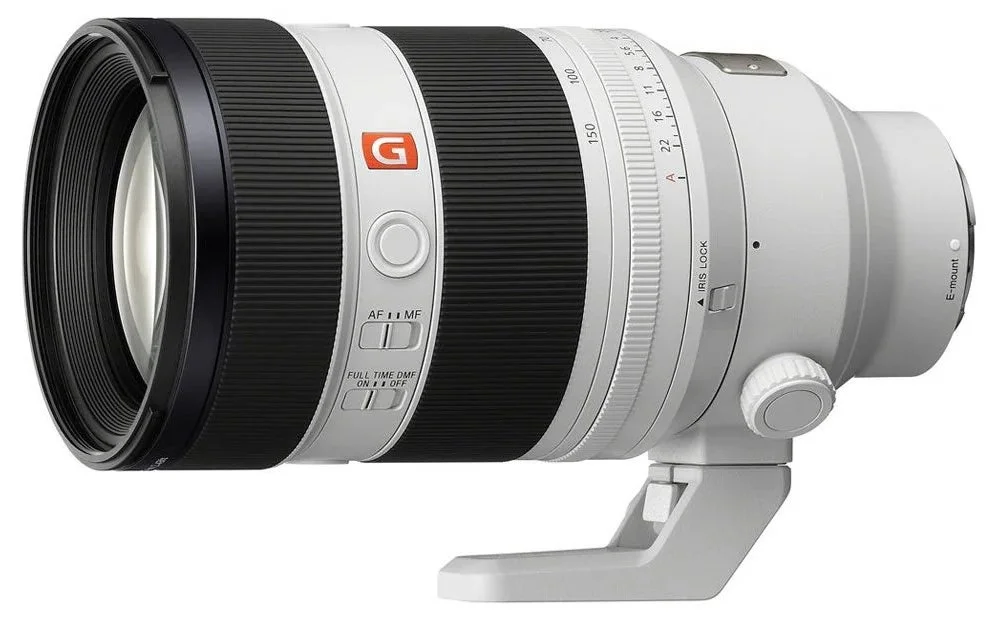
Sony 50-150 f/2.
Sony also came out with the new 400-800mm f/6.3-8 zoom lens currently for $3300 USD. This lens is very similar to the 200-600 in build with the internal zoom and the image quality seems to be on par and maybe a bit sharper. The issue here is that we are getting very specialized, it seems like a very good option for birding and larger animals a good distance away but the 2 time zoom is a bit limiting and it is big and fairly heavy. I would like to try this lens but I'm not sure the range is what I need as often as that 200-600 which has lived on my camera for extensive periods.

Sony 400-800
Sigma
Sigma has come out with a few amazing options lately. The first was the light 500mm f/5.6 prime that I picked up early on. This is a fantastic small and light lens that fits easily into a camera bag for travel. Images are sharp and clean but not quite at the level of my Canon 500 prime....but most of the time close enough. The one major downside of this lens has nothing to do with Sigma and everything to do with Sony. With my Canon 500mm I very often use it with the both the 1.4 and 2 time teleconverters making it a inconvenient but useful 500-700-1000 almost zoom. The quality of the images is indistinguishable with the 1.4 and just a tiny bit softer with the 2 times. Sony has limited all third party lenses (at this time) to not accept teleconverters. If they were allowed I think I would be using the Sigma 500 prime with the 1.4 times all the time. The other thing is that Sony limits the number of frames per second you can shoot when a third party lens is attached to a maximum of 15 fps. Currently this doesn't affect me since the A7RV can shoot a maximum of 10 fps but it does limit those using the A1, A9 series or the new A7V. I don't often shoot that fast even on the Canon R5 II but it is nice those few time I need it.
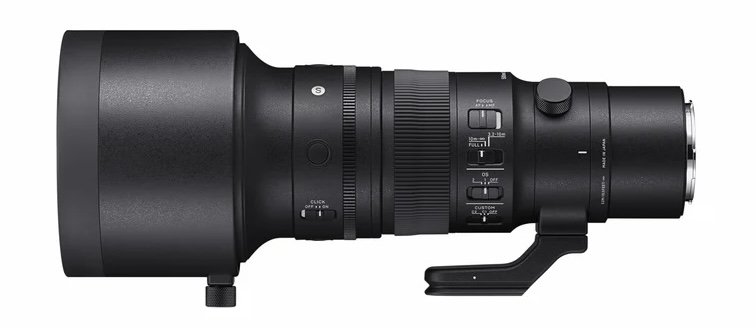
Sigma 500 f/5.6
The next interesting lens from Sigma is the 200mm f/2 prime. This lens currently costs $3300 USD which is a steal for such a low light beast. I'm interested in this lens for bear photography where I'm often shooting at dusk or dawn trying to capture action in very low light but I'm not so far away so 200mm is often sufficient. This lens would allow me to shoot at a couple stops lower ISO than I currently am able, reducing noise while allowing me to keep the shutter speed up to catch those salmon fishing moments. If this lens was able to accept teleconverters on a Sony body it would be a fantastic option.
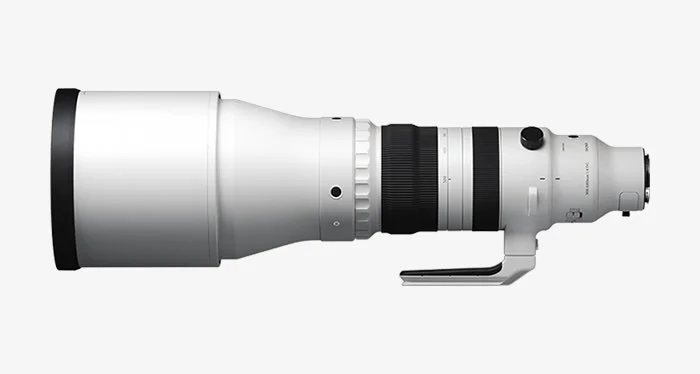
Sigma 300-600 f/4
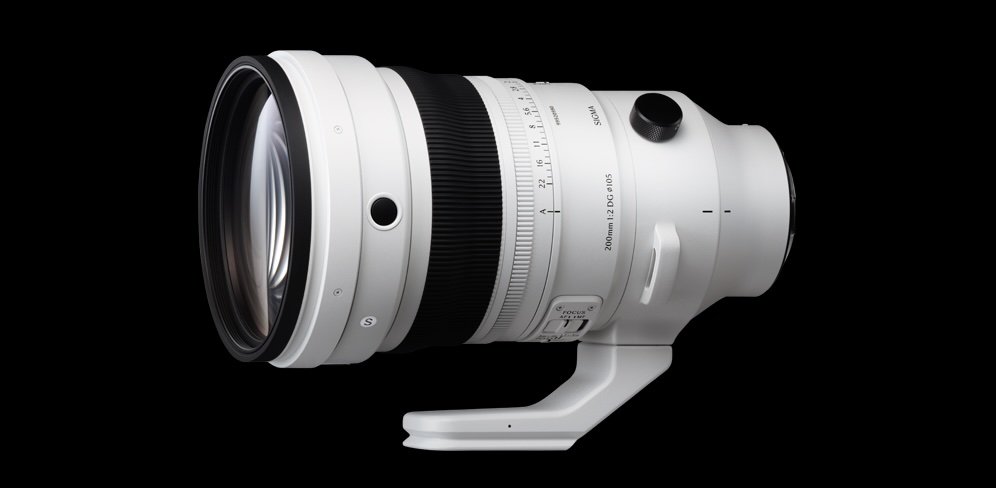
Sigma 200 f/2
The other big announcement from Sigma last year was their 300-600 f/4 super telephoto zoom. This is a range that I think is pretty fantastic with the closest options in the past being Canon's 200-400 f/4 with inbuilt 1.4 teleconverter or possibly the 100-300 f/2.8 if you added the teleconverter but both those options are significantly more expensive than this Sigma lens. The lens is not light, 8.75 lbs (4kg) at about 2 lbs heavier than the Canon or Sony 600 primes. If this lens is anywhere near as sharp as their old 120-300 f/2.8 zoom then this may be one of the best superzooms out there and the price ($6600 USD) is less than half of the 600 primes.
Canon

Canon 100-300 f/2.8
Canon has not come out with anything new recently but they have their standard 400 f/2.8, 600 f/4, and 800 f/5.6 out there at astronomical prices (not really different from Sony or Nikon on the price side). Instead of a 300 f/2.8 prime Canon does have a 100-300 f/2.8 which may be one of the most useful lenses out there for nature photography if you can afford it. For many years I owned the Sigma 120-300 f/2.8 Sport lens and the range with the 2 teleconverter made it an excellent option for nearly all situations. The only downside was the weight which I believe Canon's new offering is significantly lighter. At $10,600 USD it is at least 3 times what I paid for the Sigma so it had better be good.
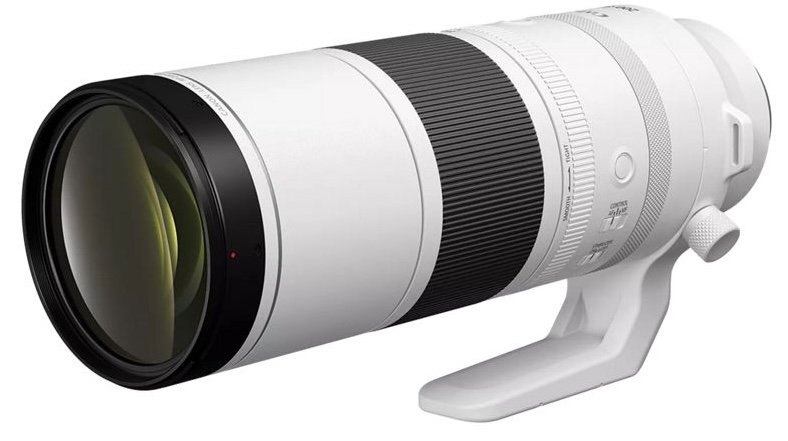
Canon 200-800
Canon really doesn't have anything in between the that 10 grand and around 3000 where the options are pretty limited to their slow 100-500 f/4.5-7.1 and even slower 200-800 f/6.3-9 which both have extending barrels unlike the larger zooms from Sony and Nikon. Since Canon currently doesn't allow third party options on RF mount you are limited to these lenses at the medium/low end or using old EF telephoto lenses with the adapter.
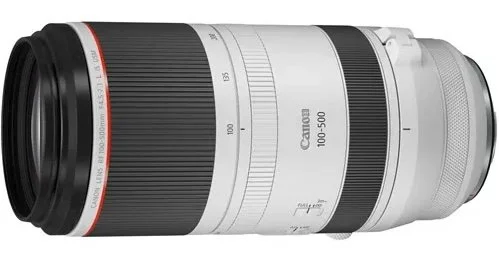
Canon 100-500
The last option for Canon is the two fixed aperture primes (600 and 800 f/11) which are very inexpensive but are not very useful in anything but extremely bright conditions.
Nikon
Nikon seems to be considering nature and wildlife photographers more than others over the last few years. They have the typical expensive f/4 supertelephoto primes like Canon and Sony but also offer a second tier of PF (phase fresnel) lenses that are light primes based on diffractive optics. On Z mount they have a 600 f/6.3 and 800 f/6.3 coming in at $4000 and $ 6000 USD respectively. You might also be able to find the F mount 300 f/4 and 500 f/5.6 lenses for considerably less.
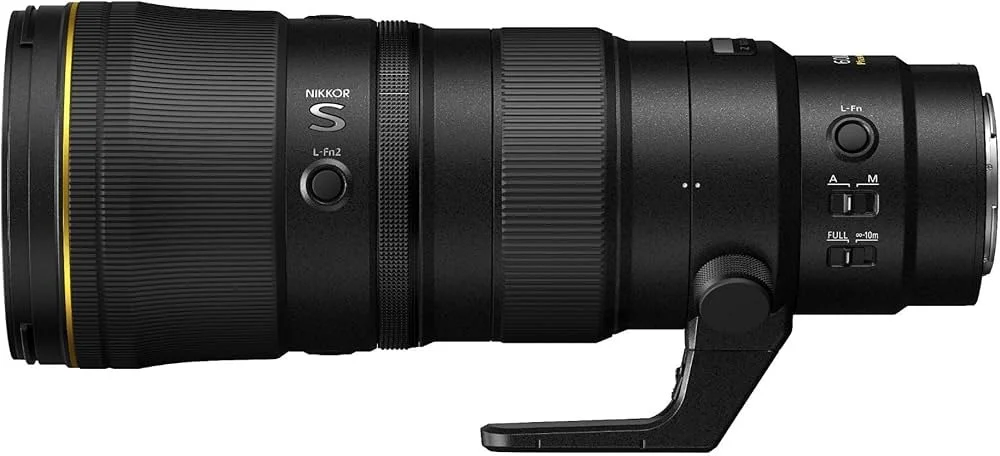
Nikon 600 pf
Nikon also came out with a 180-600 f/5.6-6.3 that is very similar to Sony's 200-600 in functionality and is even a bit cheaper at just under $2000 USD at the moment. For many people this could be their main wildlife lens on Z mount.
Although Nikon has not opened up to all third party lens manufacturers they have partnered with Tamron and as such have the option of the 35-150mm f/2-2.8. I'm sure this is as useful on Nikon cameras as it is on Sony.
Fuji
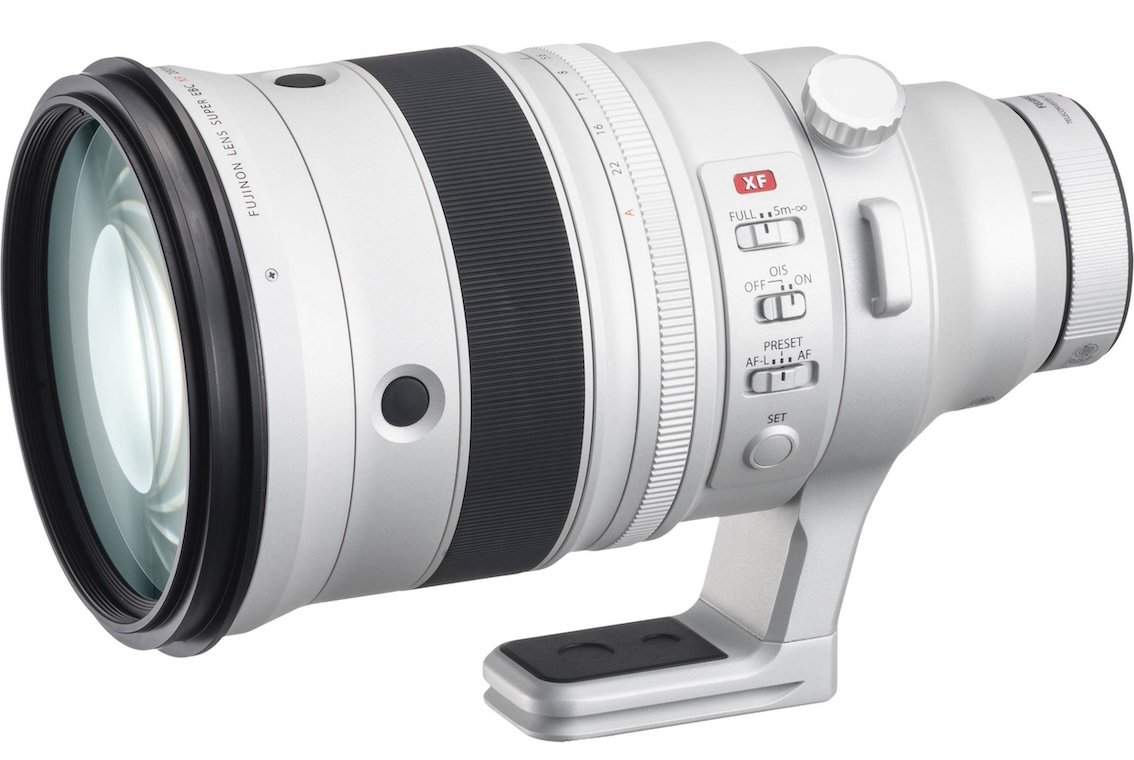
Fuji 200 f/2
When it comes to APSC cameras most of the options above are still applicable and currently there are not a lot of APSC specific supertelephoto lens options. Fuji is the one outlier since they only produce APSC cameras for their XF line of cameras. With Fuji there is a fairly new 500mm f/5.6, and then a 150-600 f/5.6-8 or the 100-400 f/4/5-5.6 and you do have third party lenses on XF mount for some similar options from Sigma and Tamron. Fuji do have a 200mm f/2 that comes in at $6000 USD which I think may be their most expensive lens.
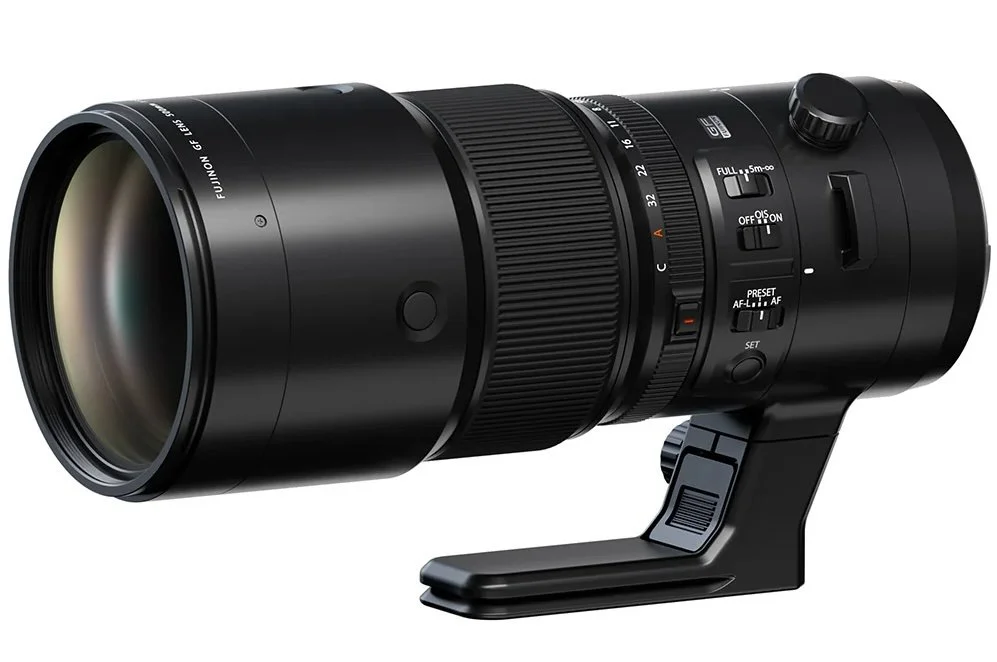
Fuji GF 500 f/5.6
If you want to try a hand at medium format nature photography Fuji does have a few options now on the GF line of lenses. Their 100-200 f/5.6 may be a good option for more environmental shots but you do have more expensive 250mm f/4 and 500mm f/5.6 and a 1.4X teleconverter. The latest GFX100II camera does make it possible to capture some interesting nature shots although you might find it doesn't autofocus quite at the level of the latest full frame cameras. This to me is an interesting option for capturing larger animals in action in interesting environments. I think it is the one option I would consider moving to as my second system if I ever moved from Sony or Canon since it would give me very different results with the high resolution and more importantly the 16 bit files to capture the smoothest of colour gradients.
OM System
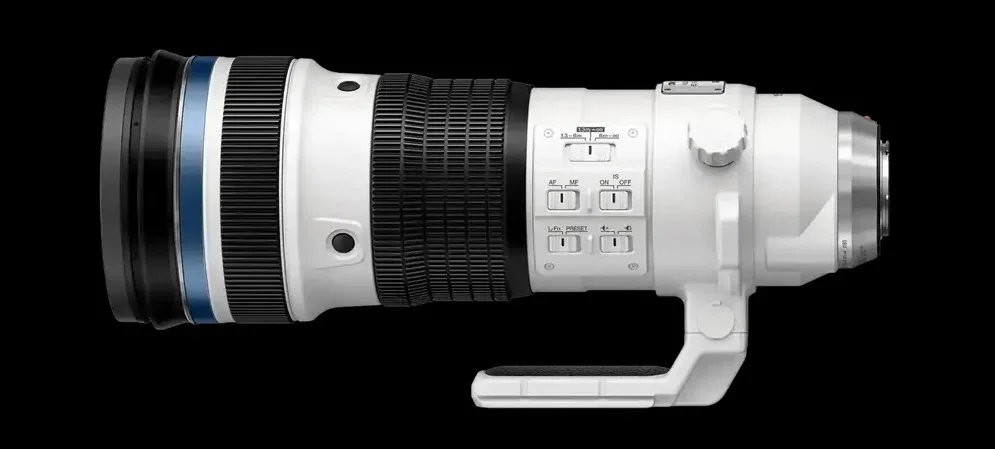
OM System 150-400
OM system has been providing interesting lenses for the micro 4/3 cameras. Their latest a 50-200 f/2.8 is a fast 100-400 equivalent lens (and with the increased effective depth of field it is fairly easy to get more of the subject in focus while still being able to capture more light.
OM also have an inexpensive 100-400 f.5-6.3, a relatively fast 40-150 f/2.8, a 300mm f/4, a 150-600 f/5.6.3 and their very expensive 150-400 f/4.5 (with 1.25 teleconverter). These are all interesting options with the 2 times crop giving you a lot of reach in relatively smaller packages. As long as you are ok with what you are getting out of the sensors these are good options if you want to go a bit lighter.
Rumors
There don't seem to be a lot of rumours out there at the moment with respect to new super telephoto lenses. Sony may be updating their 100-400mm options soon
What's missing from my perspective?
It is nice to see that we have been getting some new options in the last couple of years which the re-introduction of a couple of f/2 200mm primes, the 100-300 f/2.8, the 300-600 f/4. I hope these lenses are successful enough that we might see more lenses at focal lengths that are not considered "normal". I would really like to see Sigma bring back the 120-300 f/2.8 but much lighter. I would like to see more internal zoom lenses and I would like to see someone come out with a telephoto powerzoom for video.
I'm not sure if we will see any new 500mm f/4 lenses, no one has come out with one so far and maybe now that the 600mm lenses are much lighter it doesn't make sense to have a 500 in the lineup.
I would really like to see some more diffractive optics lenses. Canon's last EF 400 DO f/4 was quite a good lens and Nikon PF lenses are good options currently. Not sure why Sony/Sigma/Tamron haven't unless there are too many patent issues around them still. It is a fantastic way to make long lenses much smaller and lighter and it seems like Nikon and Canon were technically able to make the images sharp even if the out of focus areas tend to be a bit frenetic. Trying to find inexpensive ways to include the DO lenses into groups of regular lenses may still be an issue but I hope the research continues.
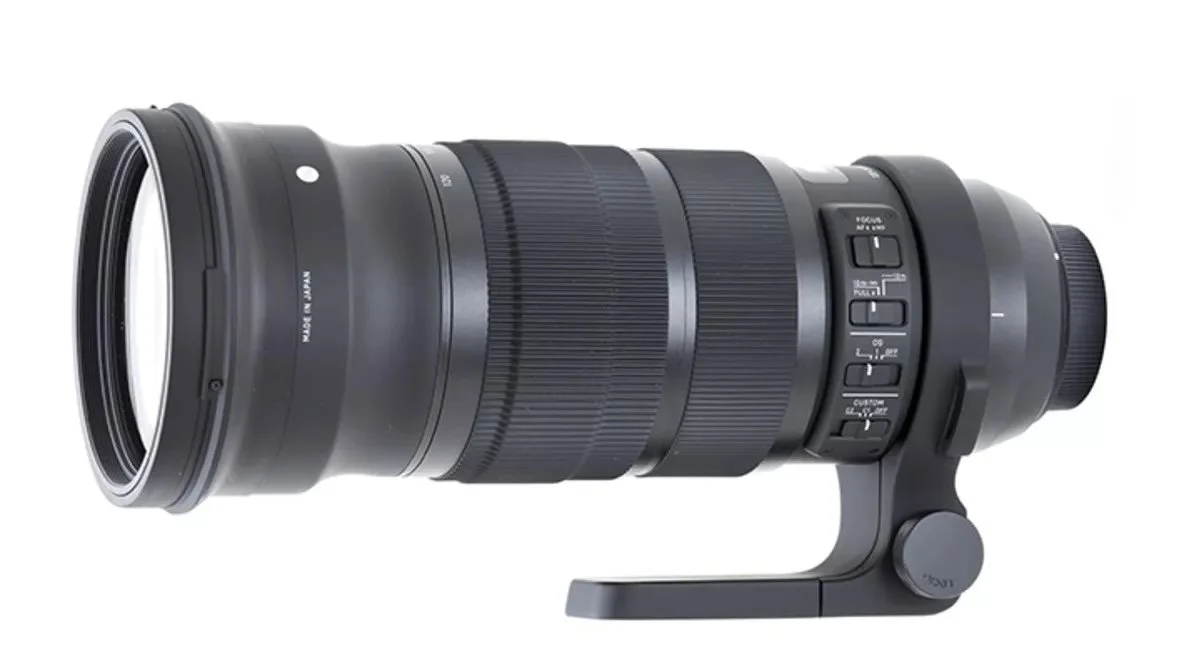
Sigma, Please bring it back!
For many years my go to lens for nature photography, especially for lower light conditions, was the Sigma 120-300 f/2.8. This was by far the sharpest lens I had ever owned at least until the Canon 500 f/4 II.

Sigma 120-300 for Canon EF mount. I do miss this range of telephoto goodness.
For many years my go to lens for nature photography, especially for lower light conditions, was the Sigma 120-300 f/2.8. This was by far the sharpest lens I had ever owned at least until the Canon 500 f/4 II. At the time on my 5D II and 1DIV the autofocus was pretty reasonable, at times a little slower to track than my Canon lenses but even with the 1.4 and 2 times teleconverters it was very usable.

Great Grey Owl hunting in a farmer’s field near dusk on a very cold winter day. Taken with Canon 1D IV with Sigma 120-300 f/2.8 and 2x teleconverter.
At the time I was shooting owls and needed something that was capable of keeping the ISO down to a maximum of 1600 for as long as possible as those cameras really started to get noisy past that point. My Canon 100-400 push-pull at the time was a much lighter lens, and the focus was a bit faster but the image quality just was not in the same ballpark and the smaller apertures made it not as useful at dusk or dawn.

Canon 1D IV with Sigma 120-300 and 2x Teleconverter at 600mm. Even cropped in this lens made the best out of the APS-H 16Mpixel sensor.
As I moved to mirrorless cameras over the last 10 years or so with the improvements in low light capabilities I was able to get away with current 100-400 and now the 200-600 lenses in many conditions. Recently I moved to the west coast of Canada into an area where nature photography often takes me into deep woods or leads me down narrow river basins in search of bears and other fun stuff. The light in these areas is challenging at best and the sun disappears behind mountains to an extent that I'm finding that to get a reasonable shutter speed for the action I'm shooting at 10000 ISO or greater at F/5.6 or 6.3 depending on the lens I have. I have also found in these situations that I don't as often need >400mm and am often less than 300mm for most shots. This is a range where having a large aperture telephoto zoom would really come in handy again.

Some very low light as the sun was dropping low in the sky on a cold winter day. This shot has been brightened considerably but I was able to get the shot at 1/2000 second and still have a usable ISO.
Now Canon has recently come out with a 100-300 which looks to be a spectacular lens but they have also typically priced it out of reach for most of us who aren't as daffy duck would say "I'm rich,I'm wealthy, I'm comfortably well off". Nikon has also a 120-300 f/2.8 but for their older mount which you can pick up a bit cheaper than the Canon but they don't have one for the Z mount. So this brings me to my opening statement....Sigma could you make a new 120-300 f/2.8 lens? I'm certain that you can make it much lighter than the original, and hopefully still make it for a "reasonable" price. With the improvements in Sigma lenses over the last few years I could see this being an amazing lens. I did recently purchase the Sigma 500 f/5.6 which is a fantastic lens for the E mount (although I would really love to be able to use it with teleconverters....not Sigma's fault it would seem). This light super telephoto lens gives me hope that they could produce the lens I want and likely make it significantly lighter than their original and with the new autofocus and even just the same optical capabilities it would quickly become my goto lens again.

Some of my favourite images were taken with the Sigma 120-300 and even though this was a heavy lens it was still very useful for action shots. Not bad tracking for a bird coming straight towards me with that Canon 1D IV and a third party lens.
Now for the dreamer - to make this lens perfect for my use it would either need to be usable with the teleconverters or even better come with a built in 1.4 or 2 times teleconverter. That would likely boost the cost a bit but I have a feeling that lens would rarely come off my camera at that point.
So Sigma, if you happen to read this, get in touch if you need someone to help you test out this lens in the field :)
Latest Gear - Sometimes you can get what you wish for.
Technology moves ever forward, and the improvements that I have seen in capabilities of cameras for photography and more specifically for nature photography just in the last few years are pretty amazing.
If you were to ask me what improvements I would like to see in the gear I have, I would likely tell you that I want a native super-telephoto lens that is reasonably affordable and a little sharper at the long end than the Sigma and Tamron equivalents. To go with this lens I would like to have a bit more resolution but still with the ability to shoot at a burst rate that beats my Canon 5DS and my Sony A7RII. Really, I’m pretty happy with what I have but that would be the icing on the cake at least until I win the lottery. I would also say I’m pretty lucky to be able to afford to enjoy my hobby to a level that I have gear that I wouldn’t have thought was possible back 20 years ago. But technology moves ever forward, and the improvements that I have seen in capabilities of cameras for photography and more specifically for nature photography just in the last few years are pretty amazing.
So it looks like I can now get just what I’m asking for at a price that, although not cheap, is within the realm of an active hobbyist.
First to come out is the new Sony 200-600 f5.6 - 6.3. This is a pretty interesting lens. The relatively small aperture is a consequence of building a 600mm lens that can be both hand-held and affordable to people who could never justify more than $12,000 on a f/4 prime. The big surprise to me was the internal zoom, something I have seen in the very expensive canon 200-400 f4 with the internal teleconverter and the 120-300 f2.8 Sigma which I did own and used almost exclusively with a 2x teleconverter for a number of years. This is a feature I’m very fond of even if it makes the lens a little more challenging as carry on luggage.
I have not yet tried this lens since I’m not on anyones radar as someone who influences other photographers….at least not so far. If the reviews of this lens continue to be positive I will likely pick one up before my next trip out to Vancouver Island this fall. I will obviously do some comparisons to the 100-400 Sony and Canon lenses that I use regularly as well as my 500 F/4. We shall see if it becomes my go to hiking lens.
The latest announcement from Sony is the second part of the equation for what I picture as the best combination I can get for the money for nature photography (at least until the competition manages to catch up/or push past). If you are not aware of the latest news, this would be the Sony A7RIV. This looks to be a camera to match or beat the resolution of my 5DS but also have 10 frames per second and I’m hoping autofocus tracking as good as the Sony A7III.
This may not be the camera for everyone, but I currently love the resolution of my A7RII and would like it to have the autofocus capabilities of my A7III and that lovely 10 fps and a buffer big enough for the types of bursts that I tend to do. That would be 5 or 6 shot bursts as the action happens….usually not more than a couple of those bursts in a row so this camera should be more than sufficient for me.

If you have read any of my previous blog posts you will know that high resolution is something that I really like to have. I won’t go into all the reasons it is important to me, but it really is. I’ve relied on the Canon 5DS for this resolution for a number of years now.
The biggest question is not whether or not I will buy this camera, the question is will I replace just the A7RII or will the A7III also end up sitting on a shelf most of the time. I’m not going to get rid of my Canon gear….still waiting for Canon to come out with something that makes me want to upgrade the 5DS.
The only complaints I have seen about the new Sony A7RIV is the lack of improvements in the video department, the poor touch screen implementation, and the menu system. For me none of these are reasons to avoid this camera. I do most of my video on a Canon m50 on a Ronin S. I will use the Sony A7III as well and maybe more so if this new camera becomes my main photo shooter. It certainly would have been a bonus if the A7RIV would have 10 bit recording, 60p 4k recording and higher bit rates but I’m still pretty happy with the current capabilities.
The touch screen is something that I actually don’t use much even when reasonably well implemented like on the Canon m50. I really do prefer buttons most of the time, but I would imagine that I’ll change my mind as the implementations improve. I really do like the way the Sony A7III currently works as I can change almost anything I need to with my eye to the viewfinder….at least now that I have put a few features on the programmable buttons. This is a good segue to the menus. I’ve gotten used to both Canon and Sony menus now and if I had to go into either of them in between shots I would hate them both. In reality I almost never go into the menu systems while out on a shoot on either system….both Canon and Sony, although very different are pretty good once you have used them enough to register some muscle memory. I know this is not the case for many other photographers since I see this complaint ‘ad nauseam’ on the camera forums.
It will be interesting to see in a couple of months if both Canon and Nikon introduce new competition to both this camera and lens. Until then I’ll hopefully be happy shooting on some new gear as the fall migration hits and the owls come back.
ps: ordered and confirmed delivery of the 200-600 for August 9th. I will be able to get some practice with this lens before my trip out to Vancouver Island. Big thanks to our Camera Guy - Patrick.