
Photo locations, techniques and technology. Highlights of locations we frequent as well as features on how and why we shoot the way we do, including gear reviews specific to nature photographers.

What's in my bag for Tanzania
We started planning this trip more than 8 months ago so for once I have plenty of time to consider what I need/want to bring with me from a gear perspective.
Option 1: In the left side Canon R5II with EF 100-400 lens attached, 14-35 f/4 RF lens, set of magnetic filters. On the right side we have the Sigma 500 f/5.6, Sony A7R5 with 35-150 f/2-2.8 lens, DJI Osmo Pocket 3, Canon 1.4x EF teleconverter.
We are not long term planners, usually deciding on trips a few weeks ahead and then just doing our own thing without a major schedule or others to rely on. This year we decided to finally do an African safari, basically a trip of a lifetime for us, but we are doing so with 3 other couples. This is a photography trip and we are all nature photographers so at least we will have the same priorities for the most part. We started planning this trip more than 8 months ago so for once I have plenty of time to consider what I need/want to bring with me from a gear perspective. I normally carry a long telephoto zoom and a big white telephoto prime for much of my photography closer to home but I don’t think this is going to be the best gear for this trip. Taking that gear on a number of planes would also be challenging so I have really had to think about what we are going to be shooting, the distances from the subject, how much gear and how heavy my bag will be.
I’ve watched a number of different youtube shows from other photographers on different safaris to try to get some idea of what will be most useful that can all fit in one backpack. The general consensus seems to be that unless the trip is mostly birding you will not really need a super long lens. 400mm is likely as long as will be needed most of the time and with some of the bigger animals you may be close enough to need a normal or wide lens. I always like to do some landscape work while traveling so most likely an ultrawide zoom will be good to have. To keep things light and still have a good assortment of focal lengths zooms will be most practical.
Based on all of that, I think I have determined that the types of photography I will be doing will be closer to the bear photography that I do in the fall where we have larger subjects often at medium to fairly close distances and in low light. To this end I have put together a set of kit that I think I will take on the trip and have been using that most of the time during salmon season this year.
The gear includes the following:
Canon R5II
Canon 100-400 EF f/4-5.6 L
Canon EF 1.4x teleconverter
Canon RF 14-35 f/4 L
Sony A7R5
Tamron 35-150 f/2-2.8
Sigma 500 f/5.6
I will also be bringing along the DJI Pocket 3 and the Sony ZV1 for capturing video as we are shooting. I have also now a new MacBook Air m4 plus a number of external SSD drives for backing up pictures and videos each night.
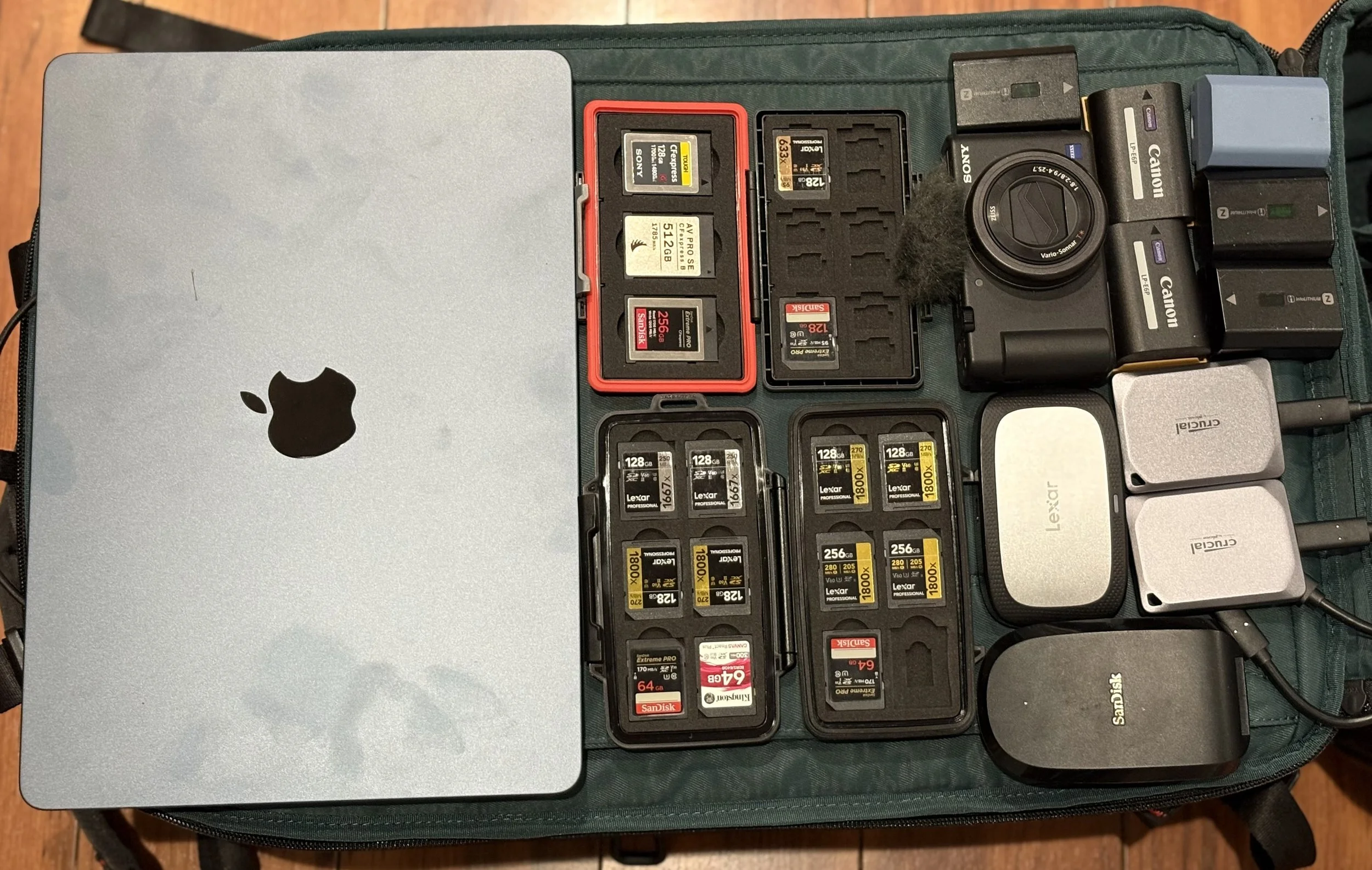
Accessories going in one of the bags are the Macbook air, 2 small cases of memory cards, extra batteries for all cameras, card readers for CF Express type A and B as well as for SD cards, external SSDs for quick backup of files each night and the trusty Sony ZV1 for quick videos.
To hold everything I have 2 options, a PGYTech Onemo 2 35L camera bag shown above or the Gura Gear Kiboko 16L below. The PGYTech fits everything above fairly easily but with the Gura Gear I would need to leave the 500 Sigma at home. That bag would not have worked at all originally since it can’t fit a large laptop but now with the macbook air I can take either easily. I haven’t made the decision yet but am leaning towards the smaller bag at the moment.
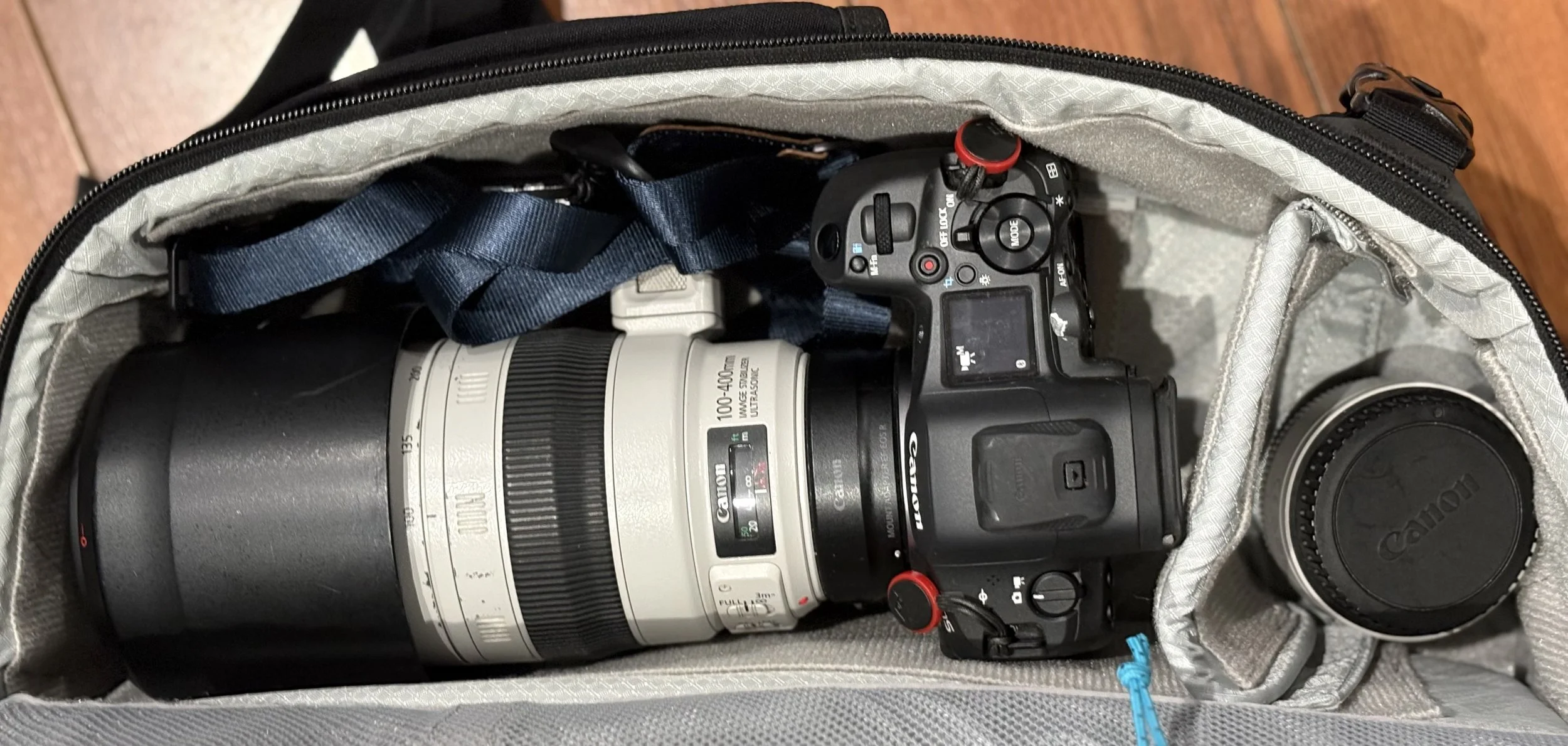
For Option 2 in the Gura Gear bag which is significantly smaller I have the Canon R5II with the EF 100-400 lens and the Canon EF 1.4 teleconverter.
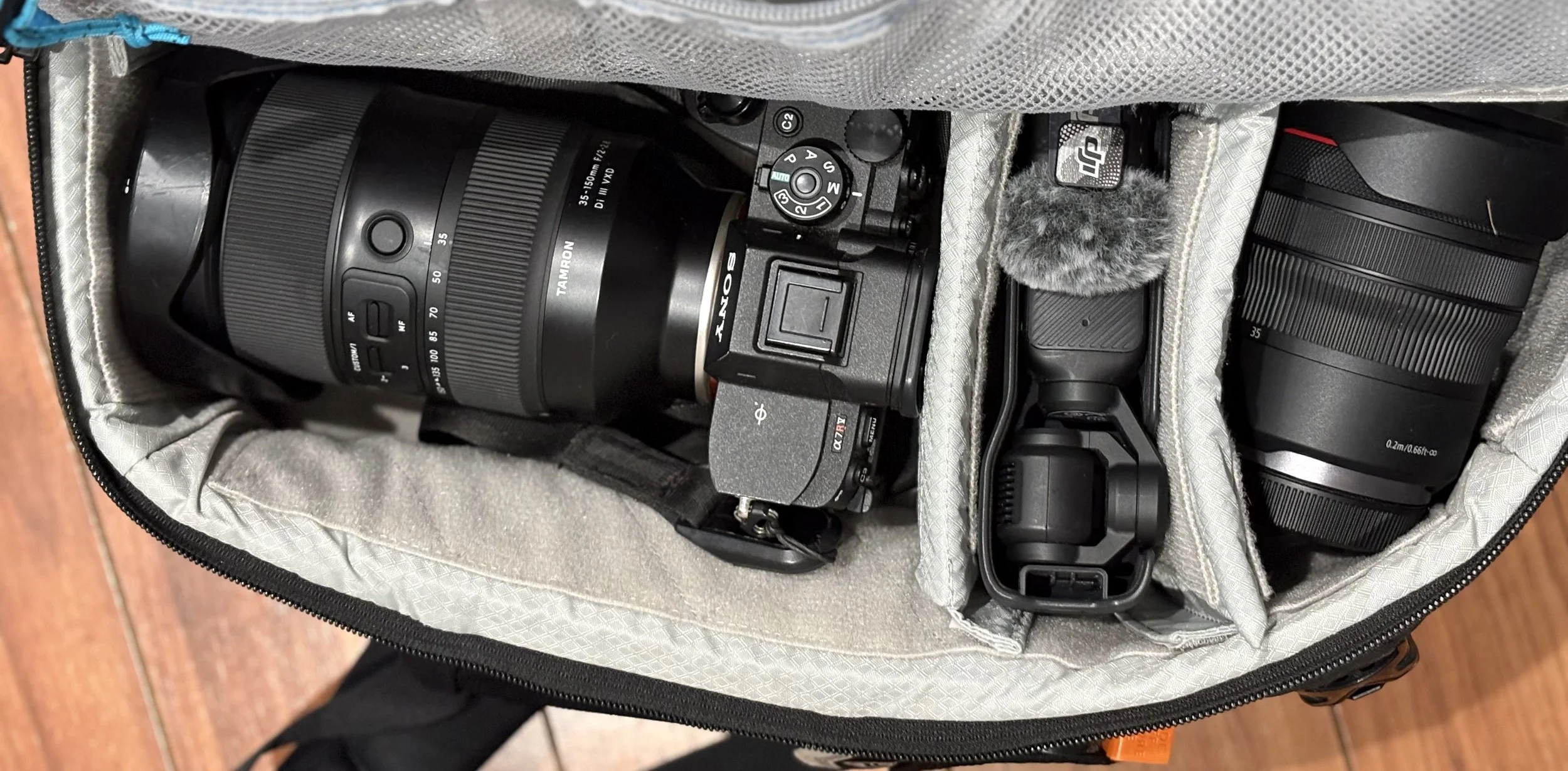
Side 2. I have the Sony A7R5 with the 35-150, Osmo Pocket 3, and the Canon 14-35 f/4. This bag has plenty of storage for all the accessories and a small area that will fit the Macbook air.
During Salmon season this year I have mostly carried the Canon R5II with the 100-400 lens and the Sony A7r5 with the Tamron 35-150 lens and have found this to cover fairly well what I am shooting. Most of the time for these medium sized mammals at distances of between 10-40 metres these lenses have worked out well. I’m hoping most of the time the shooting will be similar from the safari vehicles based on what I have heard from other photographers.
If money were no object, I would absolutely prefer to have a low light beast like the Canon 100-300 f/2.8 along with a couple of teleconverters which would allow for a great range plus good low light performance but that lens is significantly out of budget and I’m hoping Sigma will come out with a new version of their 120-300 at some point for FE mount at a much more reasonable price point.
The 35-150 has turned out to be a very versatile lens for both photography and video. I think that this lens may stay on the Sony camera for much of the trip especially for many of the large animals that we will come across and for more environmental shots with the animals.
The 100-400 range will likely be sufficient for most of the other nature photography and I’m expecting that we will have pretty good light much of the trip. The 1.4 teleconverter is for just in case we see some birds that I can’t pass up the chance of capturing.
If I have the 14-35mm lens on the Canon for some landscape or wide environmental shots then I might switch to the 500mm on the Sony to ensure that I have a long telephoto ready for big cat action. The Sigma 500 is such a light and small super telephoto prime that it may be worth bringing even if I don’t use it most of the time. Salwa will have a 16-35 in her bag if I do need a quick wide angle shot on the A7RV and the Canon is busy.
he main reason for the wide range of the lenses on a trip like this is because most of the time we will be in a safari vehicle and will be unable to get out to change perspective so we will absolutely have to do so with the zoom lenses.
Salwa similarly will be bringing a set of lenses that cover the gamut from 16mm to 560mm with a 16-35 f/4, 24-105 f/4, 100-400 f/4-5.6 and a 1.4 teleconverter all on her Sony A74. It is likely she will be doing a lot more video than I will and she is very comfortable with this lens setup that she takes on most of her video shoots.
The other little things we will be bringing:
Many memory cards for all the cameras.
SSDs for backup
Insta360 X5
Filters (ND and polarizers)
DJI wireless microphone
On camera microphone
Otherwise we will have minimal clothing, a bit of medicine incase of any trip related issues and not much more. Can’t wait to get out there, planning a trip this far ahead is very difficult for us to not get too excited too early. Hopefully I haven’t over examined this with all the time I have had…sometimes overthinking is bad :)
I will revisit my decisions once we come back from the trip to see if we ended up having what we needed or if we should have brought other gear. So far things are working well enough for shooting black bears on the rivers edge and elk out in the fields.

Sony A1 II - Seemingly a disappointment, but a fantastic camera
My thoughts on the latest flagship camera from Sony and what it means for the gear I will purchase in the near future.

Sony A1 II
My thoughts on the latest flagship camera from Sony and what it means for the gear I will purchase in the near future.
My opinions on how the new A1 II compares to other options are clearly biased by how I use my gear and what gear I currently use most of the time so likely won't be the same as your thought process but maybe these thoughts will help you to make your own decisions.
Quick summary of specs on the new camera:
50.1MP Stack CMOS sensor (same as A1)
in body image stabilization up to 8.5EV (improved over A1)
updated subject recognition algorithms and hardware with new automatic subject selection option. (mostly same as A7RV or A9III)
Continuous shooting at up to 30fps (no change from A1)
pre-release capture from .03 to 1 second (similar to A9III)
up to 8K 30p/4k 120p video (I don't believe there are many video changes from the A1)
9.44M dot viewfinder (I believe slightly updated for refresh rates).
3.2 inch 2.1M dot fully articulating tilt rear screen (introduced on A7RV)
body design from the A9III
Nearly four years after stunning the photography world with the A1, Sony has released the next version in that line. Sony has kind of gone the way of Canon and made what looks to be a not very exciting update and more of a small incremental upgrade. But also, much like how Canon does these things, the update turns out to improve the camera in many ways that don't seem exciting but really do improve the use of the camera.

A few months ago I was watching the Canon forums when the R5 II came out and the discussion were very nearly the same and they are now with the Sony A1 II. There were those that thought the R5 II was barely an upgrade at all since it didn't do much more for the type of photography they were interested in and then there were those who thought it was a very useful update. I think I firmly land in the later camp since when I sold my R5 it was in hope that Canon would come out with a higher MegaPixel stacked sensor camera so that I could enjoy the silent shutter that those with the A1 had been using for years. Now we are seeing the same conversations around the A1 II. It seems to be a reasonable update for an already excellent camera (just like the R5 II was) but unless you are interested in the physical improvements or those few added features then it was quite disappointing for those that wanted a release to match the original A1. I do believe that we are more used to this type of update from Canon (5DIII - 5DIV for just one example) than we are from Sony as they really have given us ground breaking new tech in both the A1 and A9 series cameras in the last few years. I do currently own the A9 II which again was not a significant update from the A9 and we had to wait for the next iteration for something brand new again. I do think we are starting to get to a point in camera technology where we will not be seeing such great leaps especially since the cameras we have now really can do so much that we couldn't do before.

Back to the A1 II. What we have here seems to be taking all of the things that Sony has added (that have been improvements) to other cameras over the last 4 years and put them in here. The improvements to the rear screen that is on the A7RV, the body of the A9III, new autofocus chip (with machine learning algorithms) that I believe was also from the A7RV and a few other software features like the pre-shooting that Canon and Nikon have but Sony didn't until now. Those types of updates are similar to what we saw on the A9II based on what had changed at that time. Of those changes I think the only one that could have been put in the A1 (at least in theory) is the pre-shooting since it really should just be a software solution. I doubt that feature will be added to the A1 as a future firmware update but it would really be a nice thing if they did so. We have some solid updates to make the A1 II Sony's best camera but I can see where it is a disappointment to many because there isn't really anything substantially new on this camera that either was already on other Sony cameras or is catching up to the other brands.
So what are the benefits of these improvements? Let's take a look at what you are getting if you already have a previous generation Sony camera of some sort. If you already own the A1 you would basically get the newer body including that rear screen that both tilts and also swings out to the side. It also has the new customizable button on the front that by default allows you to go to a faster number of frames per second very quickly. You also get the new AI (machine learning) based chip with the latest algorithms for subject detection and a new mode that isn't on any other Sony camera that automatically detects the subject type so you don't have to tell it you want to detect birds instead of people or any other combo. It seems like most other things around shooting speed and capabilities are the same as the original A1 including mostly the same video capabilities which may be one of the reasons that many people are disappointed in the update. I have never used the A1 personally but I have seen the improvements in subject detection that I got when I updated to the A7RV compared to both the A7RIV and the A9II. Those updates were significant in terms of how quickly and effectively the camera was able to pick up both animal and bird subjects and was much better at getting the eyes of those subjects. I also found that it was better at getting locks on a subject even in conditions where the background is very busy and contrasty. This is something that I have to deal with a lot and I have slowly seen improvements with each iteration of Sony's tech since the original A6000 started to be able to quickly focus even though it didn't have much in the way of subject detection. I'm assuming the A1 was similar but possibly a little better than the A9II so I think the A1 II is going to just be that much better but you may only notice that improvement when going back to the older one.
If you currently are shooting with the A9 or A9II upgrading to the A1II would get you all the benefits above along with a stacked sensor that can now do 30 frames per second instead of 20 and has 50 MegaPixels instead of 24. While I enjoy using the A9II for the silent shutter I do find the lower resolution to be limiting for getting that detail that I prefer to have in my nature photography (once I know what I can get it is hard to go back to lower resolutions). There is also more room to crop for those times that you just can't get as close as you would like to your subject.
If you are shooting with the A7RV the main thing that you might be missing is that stacked sensor. What this gives a nature photographer is a fast silent electronic shutter for those times that any noise can change the behaviour of your subject and an electronic shutter where you don't have to worry about artifacts in your image due to the slow readout of that A7RV sensor.
Currently I have to choose between that beautiful high resolution sensor of the A7RV and the high frame rate of the A9II so that I can increase the possibility to capture just the perfect moment. When it comes to my landscape work there really isn't any benefit of that electronic sensor and the A7RV is very nearly the perfect camera but for capturing interactions between birds or animals that A9II can sometimes be nearly perfect. It would seem that the A1 II could be the best of both worlds if it wasn't also currently more expensive than buying both the A7RV and the A9II (used), but then again the A1 already had many of those benefits.
If you currently have any other Sony camera (and do mostly photography and not so much video) then the A1 II is the best camera you can get but also by far the most expensive one. Be aware that like most technology there are diminishing returns as you move up to the highest end gear. Most of the time the difference between an entry level camera and those just below the top tier gives more return than the difference between that second tier and the top but as you get deeper into any hobby this is often true.

Comparing the A1 to the flagship (or equivalent) cameras from other companies is much more difficult as most people who are looking for these top tier cameras are unlikely to switch to another company since the cost of purchasing a whole new set of lenses at that level would eclipse the costs (and benefits) of the differences in those cameras. For the sake of just understanding the differences we have Canon with the R1 which to me is more like the A9 series than the A1 and the R5 II which at nearly $1700 USD cheaper than the A1 is actually pretty comparable but doesn't have quite the same buffer as the A1 II and does have some interesting new autofocus tech. If you are currently using Canon then the R5 II is a great choice for a top tier nature photography camera. Nikon has taken a different approach to a similar set of technology with both the Z8 and Z9. The Z8 is significantly less expensive than the A1 II (and the R5 II) but is quite compelling in the technology that it has. The autofocus is not quite as good as the other two, the frames per second is lower (for raw images) and it has no physical shutter which can still be useful. On the other hand, the Nikon systems has been quite busy with a very good set of nature photography lenses that go from around $2000 USD, with options all the way up to the price of a small car. Sony has more 3rd party options but not as many interesting prime lenses and Canon has a much more limited selection of glass (mostly great at the highest end).
What would (did) I purchase?
This is a very difficult question. I currently still have a lot of good EF lenses but I don't see myself investing in the RF glass and the 3rd party options are pretty much nonexistent. I currently have a 500mm F/4 IS II that is not getting as much use as I would like and selling EF primes is not really going to get me much so that I could purchase either a big Sony or Canon RF lens so the purchase of a R5II has been an option to allow me to continue to use that 500mm for at least another 5 years with a pretty great camera. On the other hand we currently own a bunch of Sony cameras and a used A1 might be a good choice to have almost everything I want by trading in some older gear. If I could sell the 500mm I might be able to pick up a 300mm f/2.8 used which would be great for bear photography in the fall. In all likelihood I would keep the A7R5 and have the A1 and I would be pretty happy without completely breaking the bank. If money was not a consideration I would absolutely pick up an A1 II as that camera has everything that I would like to have in a camera. This is a tough question and I will likely wait to see how the A1 drops in price (both new and used) over the next couple of months as well as see if anyone is interested in any of my older gear. It is never easy when money is the limiting factor.
UPDATE: (I waited a few months and ended up purchasing the Canon R5 II to use with my 500mm lens. This camera currently is proving to be much better than the R5, no crashes and the stacked sensor allows me to use the silent shutter nearly all the time. I do think this combination will be useful for quite a while or at least until I could trade up to the A1 II and the new Sigma 300-600 f/4….but that is another story)
Second tier Nature photography setups from each brand.
If you are, or want to be, a nature photographer there is a bit of gear that is actually necessary to be able to do so. Most of us are aware of the high-end gear, those huge lenses that cost as much as a small car, and the high speed, high resolution cameras that the companies show off with all the latest tech (or so we are told), and if price was no object, or if it is your full time job and can write the expenses off, then this article isn’t for you!

From a few years back carrying both Canon and Sony gear while shooting elk in the Cataloochee Valley
If you are, or want to be, a nature photographer there is a bit of gear that is actually necessary to be able to do so. Most of us are aware of the high-end gear, those huge lenses that cost as much as a small car, and the high speed, high resolution cameras that the companies show off with all the latest tech (or so we are told), and if price was no object, or if it is your full time job and can write the expenses off, then this article isn’t for you!
For those of us who do this as a hobby (or slight obsession) we can't always afford the biggest and most expensive even if we might dream big. 20 years ago this meant that what you could produce with mid-range gear was unlikely to be on par with what was produced by that from the top tier. Over the past 5 years, with the improvements in autofocus, frame rates and noise levels of current sensors along with the massive improvements in sharpness of almost all lenses, the gap between a 2nd tier set of gear and the best of the best is not nearly as wide as it used to be.
There is still a lower, more inexpensive tier that when I started was very slow and not very sharp. Even beginners looking to get into nature photography can find "reasonably priced" long telephoto lenses along with useful crop sensor cameras that are adequate enough, that is until they start looking in depth at the details. The lowest tier is how many photographers get into nature photography. They either already have a camera that they may use for other genres of photography or they are just looking to purchase their first camera. At this point most will figure out they need a longer telephoto lens to be able to capture birds or animals and they often start with a typical 70-300 or 3rd party superzoom. Back in the early days of digital photography these lenses were really subpar both in terms of sharpness and with how well they could focus on a moving target. This didn’t matter too much at this point, as getting those first shots was a huge part of getting hooked on this type of photography. You could finally get a reasonable closeup shot that at least resembled what you may have seen on National Geographic back when magazines were a thing.
Over time, if you kept on with nature photography, you may have started the incremental journey to better gear. This is where the 2nd tier fits in and it basically consists of all of the options for nature photography except the cost prohibitive top tier cameras and the big super telephoto lenses. Below I’ve summarized the useful gear combinations I would have in my camera bag and the reasons why I made those choices depending on what I'm actually shooting.
Canon
Let's start with Canon since that is also where I started my journey.
First off let's start with the camera. My current choice for a second tier nature camera would be the R5 mark II and up until recently I used the original R5. This camera is not considered the top of the line by Canon but I think for many nature photographers it may well be their first choice. Currently the first tier is the R1 and R3 which may be comparable but neither has the resolution of the R5 II which, for me, has almost always been more important than how many shots I can take per second. There will be some people who like the larger camera and battery in the field, but I have found that it is just as easy for me to carry a few batteries (warmed in my pocket) and I actually prefer to have the smaller body since I mostly hold the gear by the lens. I do not find balance to be an issue as much as weight.
Now this camera and its predecessor have fantastic autofocus for animals and birds, and the new R5 II has a stacked sensor to allow for silent shutter without artifacts due to that quick sensor. If you are moving up from a crop sensor camera or lower resolution full-frame camera, you will find the results to be pretty amazing and you will be able to crop into your shots significantly when you can't quite get close enough to the subject (which happens more often than we would like).
Now the issue at the moment on the Canon side of the world is with finding good but not too expensive second tier lenses for nature photography. The 100-500 RF lens is good and sharp but quite slow at the long end and is a challenge to use with the teleconverters since you don't get the full zoom range when teleconverters are attached. This may not be a big issue if you mostly don't shoot in low light. This is also not an inexpensive lens coming in just under $3000 USD. A good alternative is the EF 100-400 f4.5-5.6 IS II which is very sharp and a little brighter but doesn't have that extra reach. It does however handle the 1.4x teleconverter very well and gives you a full range of 140-560 at around f/6.3-f/8. There is also a new RF 200-800 f/6.3-f/9 which gives a significantly long range but at the expense of being a very slow lens and it extends with a very long zoom throw. Now the leap from this second tier to the top tier lenses on the Canon front garners a huge price increase and there are not any choices between these lenses currently and the big white primes or the 100-300 f/2.8. If you find the 2 Canon RF lenses useful then you have a solid base system but your choices are a bit limited at the moment unless your budget is closer to top tier. There are currently no 3rd party lenses for RF that can be used and 3rd party EF lenses are more on the beginner side of things (except for a few older Sigma lenses that you might be able to pick up relatively cheap).
The two major options on Canon for 2nd Tier are below.

Canon R5 II
Canon R5 II, RF 100-500 f/4.5-7.1 approximately $6900 USD

Canon 100-500mm
or slightly lower cost option:
Canon R5 II, RF 200-800 f6.3-9 approximately $6200 USD

Canon 200-800mm
Sony
Sony on the other hand does have their long telephoto lenses in a similar range to Canon but the options are quite different. There are however not as many choices on the camera side at the moment. The best choice from my perspective is the A7RV which has a 60 MP back side illuminated sensor but does not have a stacked sensor like the Canon (or Nikon). This camera can shoot at up to 10 frames per second with the mechanical shutter and has an electronic shutter which is basically useless for anything other than static subjects as the readout time of this sensor is one of the longest of any current camera. For the same price range, there is also the A9II which does have the stacked sensor but has "only" 24 MP sensor and does not have the latest autofocus algorithms which I also use. For the most part, the A7RV is, for what I do, the best 2nd tier choice at the moment from Sony.
Unlike their competitors, Sony doesn’t currently have a high-megapixel stacked sensor camera at a 2nd tier price point, and likely won't for the foreseeable future now that they have just released the A1 II for their top tier option.
On the lens side of things we have the standard 100-400 f4.5-5.6 that is very sharp. This lens is still not cheap but has a good range and has been a staple for nature photographers for a long time. The standout lens for me is the 200-600 f/5.6-6.3 and is likely my most useful lens. This is a relatively slow lens but has a bunch of features that make it amazing. The internal zoom and short throw on the zoom make it really easy to use. It is not quite as sharp as the 100-400 at 400 but is sharper than using a 1.4 teleconverter on that lens at the top end of the zoom range which is really where I use the lens the most. There are a number of other options depending on your requirements from 3rd party lens makers that are very high quality. The Sigma 500mm f/5.6 is a reasonably priced very light and small prime lens that is a fantastic option. Keep in mind that Sony will not allow you to use teleconverters with 3rd party lenses. I would consider the Sigma and Tamron 150-600 options to be more of a beginner lens option but Tamron does have a really useful 50-400 f/4.5-6.3 which may be a little slow but is great for those times that you may need more zoom range in the field. If you are doing more environmental nature shots, Tamron also has a really fantastic 35-150 f2-2.8 lens which is rather unique in the market compared the to usual 70-200 f/2.8 that all companies have.
The two options I would look at currently for Sony E-mount are ( I currently own both lenses and the A7RV):

Sony A7RV
Sony A7RV, FE 200-600 f/5.6-6.3 approximately $5300 USD

Sony 200-600mm
or
Sony A7RV, Sigma 500 f/5.6 approximately $6100 USD

Sigma 500mm f/5.6
Nikon
Nikon has probably the most interesting options at the moment for 2nd tier gear with a reasonably priced Z8 stacked 45 MP camera with some fantastic features for nature photography and after some of the latest firmware updates, has much improved autofocus that at least is close to what Canon and Sony currently have. This camera is similar to Nikon’s top tier Z9 camera but with a smaller body at a price that is much lower than the Canon R5II and equivalent to the Sony A7RV.
On the lens front, Nikon has the typical 100-400 option and much like Sony now has a 180-600 f5.6-6.3 which also is an internally zooming and relatively inexpensive option that provides very similar quality as the Sony option. That lens and the Z8 are likely the least expensive high quality option out there at the moment and would be the combination I would likely advise people to choose if they were not currently already using gear from one of the other companies even though I have never really used Nikon gear for any length of time myself.
Nikon also has some options for prime lenses that no one else currently has that are considerably less expensive than the usual big primes. There is a 400mm f4.5 for around $3000USD, a 300mm F mount f/4 at $2000, a 600mm f/6.3 at $4000 USD, and if you really want to go big an 800mm f/6.3 at $5700 USD. These are all Phase Fresnel lenses which make them significantly smaller and lighter than other options (much like Canon's older diffractive optics lenses) and give lens options with prices in between the normal 2nd tier and the $10000 plus top tier primes that currently no other camera system offers. Tamron is also starting to produce some of their lenses for the Z mount including that 50-400 that I mentioned earlier.

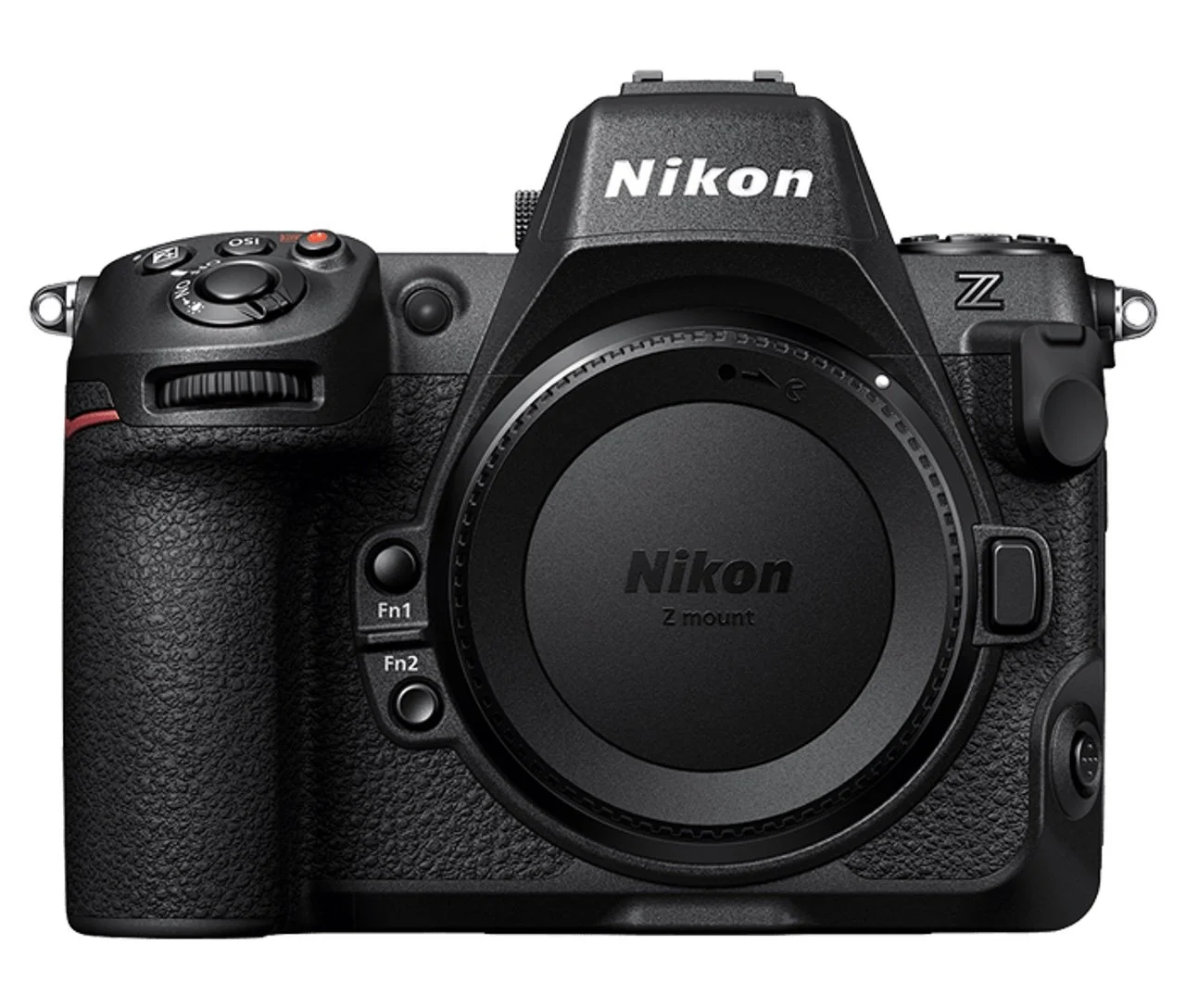
Nikon Z8
Nikon Z8, Z 180-600 f5.6-6.3 approximately $5400 USD

Nikon 180-600mm
or
Nikon Z8, 600 f6.3 approximately $7500 USD

Nikon 600mm f/6.3
Other Options
There are few other companies that really try to offer good options for nature photography and are close to but not quite the same as the 2nd tier options above. OM systems is definitely showing some promise but is held back a bit by the lower resolution sensors on the micro four thirds platform even though there are some very good lens options that are relatively small for the effective focal length. They have telephoto lens options from 70-300 all the way to 150-600 at many different price points. The examples I have shown below are rather expensive but if you want relatively small and light gear these are some of the better options currently.
OM Systems
OM system is a great option for those who want long effective focal lengths (narrow field of view) but with a smaller and lighter set of gear.
OM1 II, Olympus 300mm f/4 approximately $4600 USD

OM 300mm f/4
up to
OM1 II, OM 150-400 f/4.5 with 1.25 teleconverter $9400 USD

OM 150-400mm
FUJIFILM
Fuji has a couple of options now with the H series cameras and their higher end lenses that can compete with the full frame cameras but have no room to move to top tier later. Fuji also has a new 500mm option for their medium format cameras which may be an option for certain types of nature photography but that system is still a bit behind in terms of autofocus even though the image quality would be superb.
Fuji X-H2, 150-600 f/5.6-8 approximately $4000 USD

Fuji 150-600mm
up to
Fuji X-H2S, XF200mm f/2 approximately $7500 USD

Fuji 200mm with teleconverter
and
Fuji GFX 100S II, GF 500mm f/5.6 approximately $8500 USD

Fuji GFX 500mm
There is a lot of superb gear out there at the moment that allows a photographer to do things now that only the highest end gear could do a few years ago. None of this gear is cheap but over time you can build up a pretty useful setup that should continue to give you excellent shots for years to come. If you currently are invested in one of the companies above it is likely best to stay in that system from a cost perspective since you can get fairly close to the same level of gear on all of them. If you are currently looking to move up to this level of gear and are not invested heavily already then Nikon offers a compelling set of options at the moment to get up and running. Sony and Canon may make changes to their line up in the near future to change that perspective but Nikon looks pretty good right now. Seems like an interesting conclusion from someone who has been using Canon gear for 35 years and Sony for around 12 years. A venture to another system, at this point, is unlikely.
My love/hate relationship with the Canon R5 and what to do with the R5 Mark II.
About 2 months ago I sold my Canon R5 with a couple things in mind. I knew there was a Canon R5II coming soon and the rumours looked like it might be a camera worth keeping my 500 F/4 II lens to use. I also figured that Sony would need to come out with something similar in the near future and it is likely that one of those two options will decide what gear I will be using for the next few years.

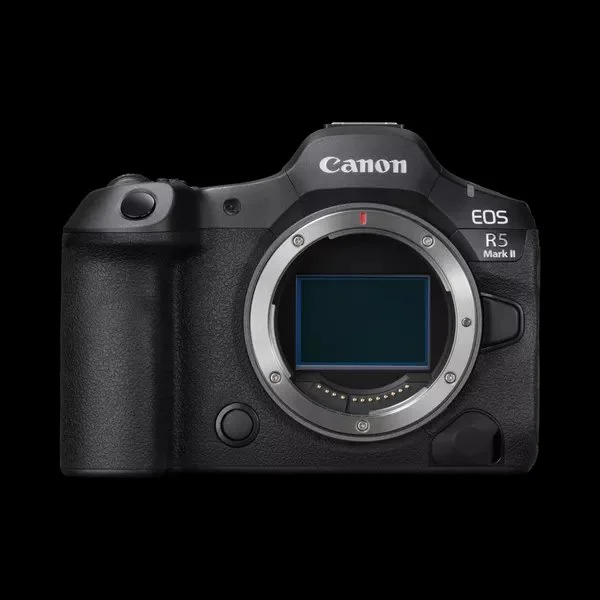
Canon R5 Mark II image from Canon’s web site.
I have been using Canon cameras since before the year 2000 and up until recent years they have been the main tools that I have used for photography for most of that time. Other than in my youth with various film cameras I started actually doing photography as a hobby when some of the first digital cameras were coming out. The first I bough for myself was the S400 elph and since that time I have progressed through the Canon lineup and relied on these tools for both pleasure and work.

Canon cameras that we have owned and used over the last 25 years. S400 elph, s95, sx50 HS, original digital Rebel, Rebel xti, Rebel t1i, 20D, 50D, 7D, 5D, 5D II, 5DIII, 1DIV, 5DS, m50, R5, and Elan 7e. I currently still own the s95, 5DS, m50 and the Elan 7e.
About 2 months ago I sold my Canon R5 with a couple things in mind. I knew there was a Canon R5II coming soon and the rumours looked like it might be a camera worth keeping my 500 F/4 II lens to use. I also figured that Sony would need to come out with something similar in the near future and it is likely that one of those two options will decide what gear I will be using for the next few years.
The R5 was a good camera…not a great camera and not one that I could rely on to get the shot when the moment happened. The picture quality was great, nearly as good as the Sony A7RIV and A7RV which are currently my main cameras. The autofocus is great, pretty much on par with the Sony A7RV and a bit better than the A7RIV when it comes to tracking wildlife which is what I really need it for. The biggest reason I have not moved fully away from Canon over the last few years is that big white lens that I bought for a lot of money that I really can’t afford to replace with either a new RF or a Sony FE big white. I also have most of the old EF lenses that I still use with both my DSLR 5DS and SLR Elan 7e.
I enjoyed shooting with the R5 most of the time however there were two issues that really made it difficult to use when I needed to get that shot. The first is the battery life and with the long lens it seemed like if I was below 50% battery focus became a challenge. The second was how often the camera would crash. This last one would happen with any lens (RF or EF), under just about any conditions (landscape with single shot or tracking for nature) and was pretty much completely unpredictable. I might not occur for hours on a shoot and then pop up a couple of times or it might happen constantly for a while and then just be fine again for a while. It got really frustrating when I was waiting for a bird or animal to do something and as soon as it did the camera would lock up needing to have the battery removed and I would lose all chance to get the shot during the action. I have been using Canon cameras for more than 20 years and have never had issues like this with any other one. On the forums it seems that many people also had this issue and a number of firmware updates tried to address it but never fully did (I felt like the last ones made things a bit more stable but that might have been wishful thinking).

Catching the moment. Eagles fighting over some Salmon. These are the types of shots I can rely on capturing with the Sony A7RV but worry about with the R5. The hope is that with a camera like the R5 Mark II we could silently capture 3 times more images in that interaction and not worry about the camera crashing at just that moment.
I have been using both Canon and Sony camera systems pretty much since I tried the Sony A7R when it came out. This was a very slow camera but had some amazing resolution for the time. Over the years Sony has improved just about everything on these cameras and they are now a very stable and useful tool even if some people think they are not exciting to use. For me a camera is a tool that just needs to work and make getting the shots as easy as possible, and that is what they have done for me over the last few years. They also have the advantage of being useful for video which means Salwa has switched over from Canon completely now since her job has become more about video than photo in recent years.
From my perspective at the moment there are only a few things that I think might be a compelling reason to get a new camera right now. Stacked sensors is one of them. When the Sony A9 came out with the first stacked sensor camera and the ability to take completely silent shots and also shoot at a high number of frames per second I knew that it was a technology that I was going to want. However I was not willing to use a lower resolution camera to get that and the price was pretty much out of reach. The A1 solved the first problem but price was still an obstacle. Then Nikon came out with the Z8 which was really close to what I wanted but I did not want to get into a third set of lenses or sell off the Canon gear at that point. So I have been left waiting to see what Canon and Sony would do in response to a reasonably priced high resolution stacked sensor camera. Sony doesn’t seem to be in a hurry since no one has managed to match the specs of the A1 even after nearly 5 years on the market. I have a feeling they have a camera sitting on a shelf ready to come out when it feels like matching or beating Nikon and Canon but I don’t know when that will/might happen. The rumours of the Canon R5 having exactly what I have been waiting for and at a (sort of) reasonable price have had me watching and waiting and now starting to watch whatever reviews are going to be out there for this camera.
With that out of the way let’s get back to Canon’s recent announcements for the R5II.
The specs are pretty much perfect for me. Same resolution as the R5 as I was quite happy with that before. Improved autofocus is a bonus as it was really good before. The stacked sensor seems to be fast enough for the type of shooting I will do and will be great for trying to get silent shots from a hide or when I’m close enough that the subject might notice the sound and possibly stop if from catching a meal or just make it nervous. I really try to ensure that my presence doesn’t change how the animal/bird acts as much as possible.
There are a few bonus additions that I can see from early reports. The viewfinder is a bit bigger and the eye control autofocus is now in this camera (hopefully better than that in my elan 7e). There is a new battery which may help with some of the issues I had before and I’m hoping Canon has improved power usage with the new camera. Full size hdmi port is nice since I do use monitors quite often. They have moved the power button and changed how they move from stills to movie shooting. Both look better although I would prefer the power switch to be under the shutter button. Pre-continuous shooting is another nice addition as I have definitely just missed the moment many times. Everything else to me was either already what I needed on the R5 or a nice incremental improvement and it doesn’t look like they have taken anything away (the old cripple hammer…as Camera Conspiracies would put it).
The only initial issues I have heard so far have to do with the size of the buffer and with pre-continuous shooting of .5 seconds which may have some issues with heating up the camera.
Now comes the big question…do I buy this camera? Unlike when the R5 came out, I think, this time I’m going to wait for a while to see if this camera also has glitches like the R5 and how well it actually performs. I will also give it a bit of time to see if Sony is going to come out with something in the same range and price soon and it is has some amazing new thing that I didn’t know I needed. I won’t wait too long as I do miss using that big white prime but if I don’t end up buying the R5II that lens will likely be looking for a new home. So to answer my original question, yes I do believe the R5II is a worthy upgrade but I’m not yet sure when or if I will actually do so.
It really has been a good few years to be a nature photographer. We have gone in the last 20 years from mostly slow tracking of subjects with 1 (or a few) useful focus point(s) to full screen tracking with object recognition that allows us to automatically focus on the eye of a rather small subject while in fast motion. This also allows us to compose shots exactly how we want them while the action is happening. We have gone from a couple frames per second to a point where I no longer would need to use the fastest available on a regular basis. We can even get the shot before we hit the shutter button now (oh how many shots I have missed by just a split second). We have resolutions now that make printing a pleasure and allow for useful cropping when we still can’t quite get close enough to our subject. Even mid tier cameras and lenses now can do the job. It is much easier to get into nature photography now (just as big a jump in some ways as moving from film to digital). Even if I don’t get this new camera, I am able now to get shots I never thought I would be able to get consistently and each new feature is like a bit more icing on the cake.
Nikon - you’re certainly tempting me!
For the most part we are very happy with the gear that we have for photography and video work but….and this is quite a but….Nikon has been turning my head quite often with the gear they have been putting out.

In the last year Canon and Sony have been relatively quiet at least for those of us who are looking at nature photography tools. Salwa and I are currently quite highly invested in both of those companies with multiple cameras and a significant number of lenses for both. For the most part we are very happy with the gear that we have for photography and video work but….and this is quite a but….Nikon has been turning my head quite often with the gear they have been putting out.
The first things that caught my eye were the PF primes. The 500mm f/5.6 in particular with the Phase Fresnel design (similar to the DO or Diffractive optics from Canon) was so small and light in comparison to my Canon 500 F/4 II that the aperture reduction seemed like a very worth while thing to deal with. The price difference ($3300 USD compared to the $9000USD I paid for the Canon a number of years ago) also made that lens into something that was quite reasonable and didn’t feel like having to make a decision between it and my next vehicle. This lens seems quite sharp, not sure how it compares directly with the Canon 400 f/4 DO but those who I know that have it are very happy with it.

Nikon 500 f/5.6 PF lens, a relatively small but mighty prime.

Canon 400 f/4 DO II lens.
At the time a couple of great and inexpensive lenses was an interesting but not alluring thing especially since there wasn’t a camera to pair it with that could focus anywhere near as well as the cameras I had (A7RIV, A7IV, R5) even though the Z7 had some fantastic image quality. This brings us to the Z9 and now the Z8. Both of these cameras have upped the game for Nikon significantly and although they don’t quite match the competition in all aspects they are very competitive. It is the price that is the real game changer at the moment. With those two cameras we are getting very close to the capabilities of the Sony A1 for significantly less money, with the Z8 coming in around the same price as the A7RV. Now I really like the A7RV and it does everything I want except for fast silent shooting and up until the Z8 came around I thought that was going to be out of reach unless I wanted to shell out significantly more money for the A1….now I’m a little jealous and really waiting to see how Sony responds. My Canon R5 is mostly keeping up with the A7R5 but pretty much has the same limitations.

Nikon Z8
The latest thing from Nikon shows me that they really want to lure in nature photographers and that is the announcement of the 180-600 f5.6-6.3. This lens looks like almost a clone of the Sony 200-600 with the only real differences I can see being the extra 20mm and the black color. This is another great move by Nikon as the 200-600 lens I think is the best value lens for nature photographers at the moment. It is pretty sharp, relatively inexpensive, has internal zoom, fast (enough) autofocus and is on my camera likely 80 percent of the time. For those people who want good reach, good quality, portability but don’t have 10 to 12 thousand dollars sitting around for a fast prime this lens hits the spot. I think there is a pretty big niche of amateur and professional photographers that this lens will appeal to and now also to the Nikon version.

Nikon 180-600 f/5.6-6.3

Sony 200-600 f/5.6-6.3
Can’t wait to see if/when Canon and Sony decide to deal with this competition…currently I think Sony could come out with a camera that can compete and beat the Z8 very quickly since they likely have an equivalent to the Z8 sensor ready to go for themselves and they already have the 200-600 so they are only lacking in the Diffractive Optics area. Canon has DO technology but and are likely coming out with a higher resolution stacked sensor for the D1 but the Z8 may have changed the game on them and they may need something close to the D1 at a much lower price than they likely would like to have out there. The competition is going to be interesting again for a while, or so I hope.